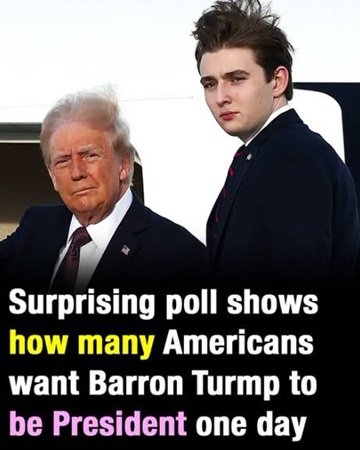
In the United States, the name Donald Trump continues to generate strong reactions across the political spectrum. His public life, business career, and time in the White House have made him one of the most widely discussed political figures in modern American history. As a result, opinions about him tend to be highly divided, with both strong support and strong criticism shaping public discourse. Over the years, Donald Trump has developed a political identity that extends beyond traditional party lines.
While he is the leading figure associated with the Republican Party, many analysts and observers often describe his influence as more personal and direct, centered around his individual brand and communication style rather than conventional party structure. This has contributed to ongoing discussions about his long-term impact on American politics. Although there is occasional speculation about future presidential campaigns, current constitutional rules limit how many terms a U.S. president can serve.
As a result, discussions about future elections often shift toward other figures who may carry political influence into the next generation.
Growing Public Curiosity Around Barron Trump
One name that has increasingly appeared in public discussions is Barron Trump, the youngest son of Donald Trump. At around 20 years old, he is currently focused on his education and personal development, studying at New York University’s Stern School of Business.
Unlike his father and older siblings, Barron Trump has not yet entered politics or taken on any public political role. However, due to his family background and growing public visibility, he has become a subject of curiosity in media discussions about potential future leaders connected to the Trump family.
During Donald Trump’s recent political campaigns, some reports suggested that Barron had an informal influence on certain media and outreach strategies. These reports indicated that he may have shared recommendations regarding modern media platforms and podcast formats that could help connect with younger audiences.
Among the names mentioned in these reports were well-known media personalities such as Joe Rogan and Logan Paul, who represent popular digital platforms that attract large online audiences. These claims, however, relate to informal campaign discussions rather than any official political role.
Public Opinion and Polling Discussions
Recent polling data has explored how some Americans view the possibility of Barron Trump entering politics in the future. According to one reported survey conducted by Daily Mail and J.L. Partners, responses varied significantly depending on political affiliation and the specific question asked.
The poll suggested that approximately 40 percent of Republican respondents would consider the idea of changing constitutional rules to allow earlier eligibility for a presidential candidate like Barron Trump. Under current U.S. law, a presidential candidate must be at least 35 years old, meaning Barron would not be eligible for another 15 years if he were to pursue such a path.
At the same time, around 38 percent of Republican respondents disagreed with changing constitutional requirements, while approximately 22 percent did not express a clear opinion on the issue. Across all respondents in the survey, a majority did not support altering the constitutional age requirement, showing that the idea remains controversial and widely debated.
When asked more generally about Barron Trump’s potential future candidacy at the appropriate age, the responses were somewhat more favorable. Nearly half of Republican respondents reportedly expressed support for the idea of him running for president in the future under normal constitutional rules, while a smaller percentage opposed the idea.
Constitutional Rules and Political Context
The United States Constitution sets clear requirements for presidential eligibility, including minimum age, citizenship status, and residency conditions. The age requirement of 35 is intended to ensure that candidates have sufficient life and leadership experience before seeking the highest office in the country.
Any change to these requirements would require a formal constitutional amendment process, which involves approval by a significant majority of both Congress and individual states. This makes such changes rare and highly complex in practice.
Because of these established rules, discussions about younger political figures often remain speculative rather than practical. They reflect public interest and media curiosity rather than any immediate political developments.
Public Perception and Future Speculation
The idea of political legacy in the United States often leads to public interest in family members of major political figures. In the case of Donald Trump’s family, this interest has extended naturally to Barron Trump due to his age, visibility, and connection to one of the most influential political figures in recent decades.
However, it is important to note that Barron Trump has not made any public statements indicating a political career path. His current focus remains academic, and any discussion about future leadership roles remains speculative.
Public opinion on such topics tends to shift over time depending on political developments, cultural changes, and media coverage. As with many political families in American history, interest in younger generations often grows as they become adults and establish their own independent identities.
Overall, discussions about the future of the Trump family in American politics reflect broader curiosity about political legacy and generational influence. While Donald Trump remains a central figure in current political discourse, attention toward Barron Trump represents interest in what future generations of politically connected individuals might pursue.
For now, however, Barron Trump’s path remains focused on education and personal development, and any political future remains uncertain and speculative. The public conversation continues to evolve, shaped by polling data, media reports, and broader interest in American political dynasties.
