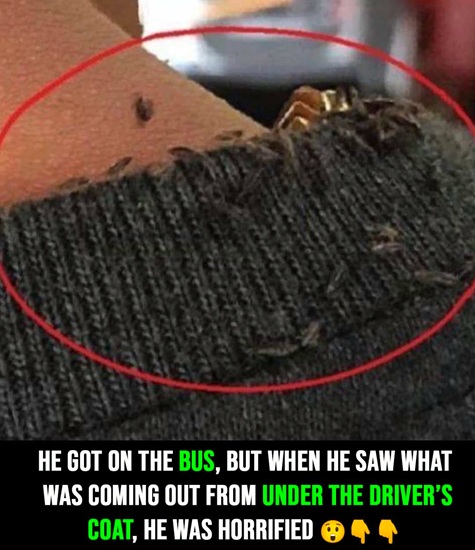
A disturbing video shared online in 2018 drew widespread attention after appearing to show a tricycle driver with an unusually heavy head lice infestation. The Filipino Times reported that the footage had been posted on Facebook by Primo Onipa and showed numerous lice around the back of the driver’s neck and on his clothing. The original post was later removed, so the circumstances shown in the clip cannot now be independently reconstructed from the post itself.
What can be discussed with greater confidence is the medical condition visible in the footage and what established health authorities say about head lice. The case was striking because ordinary head lice infestations generally do not look as dramatic as the images described in the report. Head lice, scientifically known as Pediculus humanus capitis, are small parasitic insects that live primarily on the human scalp and feed on small amounts of blood.
According to the U.S. Centers for Disease Control and Prevention, adult lice can survive on a person’s head for approximately 30 days, while adult females may lay several eggs each day. The insects move by crawling and cannot jump or fly from one person to another.
An important misconception surrounding the viral story concerns hygiene. Head lice are not evidence that someone is dirty or has poor personal hygiene. The NHS specifically states that head lice are not caused by dirty hair and can affect people regardless of whether their hair is clean or unclean. Therefore, while normal hygiene is important for many reasons, describing lice primarily as the result of someone failing to wash properly can unfairly stigmatize the affected person and does not accurately explain how infestations usually occur.

Head lice spread mainly through direct hair-to-hair or head-to-head contact with an infested person. This is why infestations commonly occur among people who spend time in close physical proximity, particularly children and family members. The lice cannot fly, jump or swim; they crawl from one person’s hair to another. NHS guidance also emphasizes that transmission through objects such as hats, combs and pillows is considered much less likely than direct head-to-head contact.
This point corrects another claim frequently repeated in articles about lice. While a louse that falls from someone’s head can survive briefly away from its host, furniture, bedding and carpets are not the primary way head lice spread. The CDC states that adult head lice generally die within about two days after falling off a person if they cannot feed. Their eggs also normally require the temperature found close to the scalp in order to develop successfully.
Head lice commonly cause itching because of a reaction to their bites, although someone with a new infestation may not notice symptoms immediately. A crawling sensation in the hair, visible lice or eggs attached close to the scalp, and irritation caused by scratching can also occur. Repeated scratching can damage the skin, and open areas can potentially develop a secondary bacterial infection. This is one reason a severe or persistent infestation should be properly treated rather than ignored.

The Filipino Times reported comments from Dr. Jay Recasata describing the driver’s apparent infestation as extreme and warning that severe itching and scalp wounds could occur. The same 2018 report also quoted another physician discussing the possibility of anemia in exceptionally severe circumstances. Such complications should be kept in perspective: anemia is not a routine consequence of an ordinary head lice infestation, although medical literature contains reports linking extremely heavy, prolonged infestations with significant blood loss in unusual cases.
It is therefore better not to tell people that having head lice will normally cause anemia or malnutrition. Most infestations are uncomfortable and inconvenient rather than medically dangerous. The greater immediate problems are persistent itching, disturbed sleep, scratching and possible secondary skin infection. If an infestation is unusually extensive, has been present for a long period, or is accompanied by weakness, pallor, infected skin or other concerning symptoms, medical assessment is appropriate.
Treatment is also more nuanced than simply buying one particular shampoo. Depending on the country, effective options may include wet combing with a fine-toothed lice comb, over-the-counter preparations or prescription treatments. The NHS recommends checking the hair for live lice and describes wet combing as one possible treatment approach. If pharmacy treatments are needed, the appropriate product and instructions can vary according to age, medical circumstances and local availability.

Many lice treatments also need to be used correctly and sometimes repeated because a product may kill crawling lice without destroying every egg. The CDC advises following the instructions for the specific treatment carefully and checking the hair afterward. Using larger amounts than recommended or combining several lice products at the same time is not automatically more effective and may expose the scalp to unnecessary chemicals.
Manual checking remains useful even when medication is used. A fine lice or nit comb can help remove insects and eggs from damp, conditioned hair. Household members or other close contacts may also need to be checked because lice frequently spread through prolonged close contact. When more than one person has an active infestation, treating affected individuals appropriately can help reduce the cycle of reinfestation.
There is usually no need to disinfect an entire home from top to bottom. Because head lice survive poorly away from a human host, intensive spraying of furniture or rooms is generally unnecessary. The CDC recommends focusing on items recently used by the infested person and notes that lice do not survive for long after falling from the scalp. Clothing, bedding and other recently used washable items can be cleaned according to recommended instructions, while combs and brushes can also be cleaned.
Vacuuming areas where the person has recently sat or lain can be reasonable, but environmental cleaning should not become the main focus of treatment. The scalp is where head lice live, feed and reproduce. Spending hours aggressively treating carpets and furniture while failing to properly treat the affected person’s hair is unlikely to solve the problem.
It is also important to avoid dangerous home remedies. Flammable substances, household insecticides and other harsh chemicals should never be applied to the scalp in an attempt to kill lice. Products intended for environmental pest control are not interchangeable with treatments formulated for human use. When standard treatments repeatedly fail, a pharmacist or healthcare professional can help determine whether the product was used incorrectly, whether reinfestation occurred, or whether another treatment is appropriate.
Another misconception is that cutting or shaving someone’s hair is always necessary. It is not. Lice can usually be treated without removing the hair. The emphasis should be on identifying live lice, using an appropriate treatment or systematic wet-combing method, and checking whether the infestation has actually cleared.
The social stigma surrounding lice can sometimes cause more distress than the infestation itself. People may avoid telling family members, schools or close contacts because they fear being judged as unclean. That reluctance can make control more difficult because others who have had close contact may remain unaware that they should check their hair. NHS guidance is clear that head lice can affect clean or dirty hair alike.
The viral tricycle-driver footage therefore should not be used to shame a worker or an entire group of drivers. A severe infestation can happen for many reasons, including delayed diagnosis, limited access to effective treatment, reinfestation or simply not recognizing the problem early. A video cannot tell viewers how the person became infested, how long it had been present or what medical circumstances may have contributed.
For people whose work involves regular contact with members of the public, ordinary hygiene remains sensible, but head lice prevention is primarily about limiting direct head-to-head contact when an infestation is known to be present. Simply sharing the same room, vehicle or public space with someone who has head lice does not mean transmission will automatically occur. The insects need an opportunity to crawl from one person’s hair to another.
If live lice are discovered, treatment should begin rather than waiting for the infestation to become severe. Persistent cases can be discussed with a pharmacist, dermatologist or other healthcare professional, particularly when repeated treatment has not worked. Medical advice is also important when the scalp becomes badly inflamed, develops signs of infection, or when an affected person has other symptoms that seem unusual.
Ultimately, the 2018 viral video attracted attention because the apparent infestation looked extreme. But the more useful lesson is not that lice are a sign of poor hygiene or that everyone who encounters an affected person is in immediate danger. Head lice are common human parasites that spread primarily through direct head-to-head contact, and most infestations can be managed successfully with appropriate treatment.
Responding calmly and accurately is more helpful than turning an affected person into an object of embarrassment. Recognizing the signs, beginning appropriate treatment, checking close contacts and following reliable medical guidance are the practical steps that matter. Head lice can certainly be unpleasant, and very heavy infestations deserve medical attention, but misinformation and stigma do nothing to make treatment easier.
