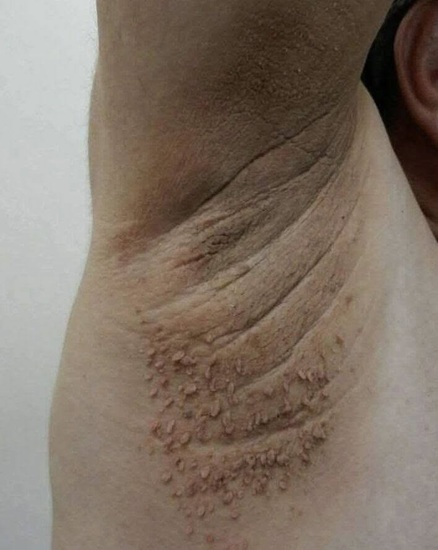
A dark patch on the neck, underarms, or another skin fold can sometimes be mistaken for dirt, tanning, or irritation from clothing. When the area does not disappear after normal washing and has a thicker, velvety texture, however, it may be something different. One possible explanation is acanthosis nigricans, a recognized skin condition that can sometimes be associated with an underlying health issue. The appearance alone cannot determine the cause, so persistent or unexplained skin changes are worth discussing with a healthcare professional rather than trying to diagnose them at home.
Acanthosis nigricans typically causes areas of skin to become darker and thicker than the surrounding skin. The affected surface is often described as having a soft or velvety texture rather than simply being dry or dirty. The changes usually develop gradually, which means someone may not immediately notice when they begin. Skin color also influences how the condition appears, so the patches can range from relatively subtle discoloration to much darker areas.
The condition most commonly develops in body folds and creases. The back and sides of the neck are particularly common locations, as are the armpits and groin. Mayo Clinic notes that it may also affect areas such as the elbows, knees, knuckles, lips, palms, and soles of the feet. Some people may notice small skin tags in affected areas, and occasionally the skin can itch or develop an odor.
One important misconception is that these patches are simply caused by poor hygiene. Because the pigmentation can resemble accumulated dirt, someone may repeatedly scrub the affected area in an attempt to remove it. But acanthosis nigricans represents changes within the skin itself, meaning ordinary washing will not simply wipe it away. Aggressive scrubbing can irritate the skin and does not address whatever is causing the condition.

Another important distinction is that acanthosis nigricans is generally considered a sign associated with another condition or factor, rather than something that automatically identifies one specific disease. Its presence does not prove that a person has diabetes, cancer, or a hormonal disorder. A clinician may consider someone’s medical history, medications, physical examination, and other risk factors before deciding whether additional testing is appropriate.
One of the strongest and most common associations is insulin resistance. Insulin is a hormone produced by the pancreas that helps glucose move from the bloodstream into cells, where it can be used for energy. When cells become less responsive to insulin, the body may compensate by producing more of it. Acanthosis nigricans frequently occurs in people who have insulin resistance, and it can therefore be associated with conditions such as prediabetes and type 2 diabetes.
However, seeing darkened skin on your neck does not mean that you definitely have diabetes. Many skin conditions can cause changes in pigmentation or texture, and even acanthosis nigricans itself has several possible causes. That is why medical evaluation is preferable to reaching conclusions based on photographs or descriptions found online. If diabetes or prediabetes is a concern, appropriate blood testing—not the appearance of the skin alone—is used to determine what is happening.
Body weight can also be relevant because insulin resistance is more common among people with overweight or obesity, and acanthosis nigricans frequently occurs in that context. Still, it would be inaccurate to describe the condition as something that occurs exclusively in people with larger bodies. People at different body sizes can develop insulin resistance, and acanthosis nigricans can also occur for reasons unrelated to excess weight.
Hormonal and endocrine disorders represent another possible category of causes. Mayo Clinic notes associations with conditions including polycystic ovary syndrome, underactive thyroid, and disorders involving the adrenal glands. Consequently, a clinician evaluating unexplained acanthosis nigricans may consider more than blood glucose, particularly when a person’s symptoms or medical history suggest another hormonal problem.
Certain medications and supplements have also been associated with acanthosis nigricans. Mayo Clinic lists high-dose niacin, birth-control pills, prednisone and other corticosteroids among potential medication-related triggers. This does not mean someone should discontinue prescribed treatment after noticing skin changes. Stopping medication without professional guidance can create additional health risks, so suspected side effects should instead be discussed with the prescribing clinician.
There are also inherited forms of the condition. In some people, acanthosis nigricans occurs because of genetic factors rather than an acquired metabolic disorder. The age at which the patches appear, family history, distribution of the skin changes, medications being taken, and other symptoms can all help a healthcare professional investigate the possible explanation.
A much rarer association deserves careful explanation because it can easily become unnecessarily frightening online. In uncommon circumstances, acanthosis nigricans can occur in association with certain cancers, particularly cancers involving internal organs such as the stomach or liver. Mayo Clinic notes that the condition can rarely occur with lymphoma or cancers of the stomach, colon, or liver. This is not the usual explanation for dark patches on the neck, and the presence of acanthosis nigricans should never be described as proof that someone has cancer.
Nevertheless, sudden development deserves medical attention. The American Academy of Dermatology advises seeing a dermatologist when someone notices a new dark area of skin, particularly if the change develops suddenly. A clinician can determine whether the appearance is actually acanthosis nigricans and whether further investigation is necessary.
Diagnosis may sometimes be straightforward from the appearance and location of the skin changes. A dermatologist or other healthcare professional can examine the affected area and ask about when it began, whether it has spread, existing medical conditions, family history, and medications or supplements. When the underlying cause is uncertain, additional tests may be recommended based on the individual’s circumstances.
If insulin resistance or diabetes is suspected, blood testing may be appropriate. Common tests used in evaluating diabetes and prediabetes include the A1C test and fasting plasma glucose testing. The U.S. National Institute of Diabetes and Digestive and Kidney Diseases explains that healthcare professionals use established blood tests to diagnose diabetes and prediabetes rather than relying on symptoms or skin appearance alone.
Treatment depends heavily on the cause. There is no single treatment plan appropriate for everyone with acanthosis nigricans. When an underlying medical condition contributes to the skin changes, treating or managing that condition may improve the appearance of the affected skin. If a medication is suspected, a clinician can determine whether changing treatment is medically appropriate.
For people whose acanthosis nigricans is associated with excess weight and insulin resistance, medically appropriate weight management may improve the condition. That does not mean extreme dieting or rapid weight loss should be attempted. Sustainable nutrition, regular physical activity, adequate sleep, and medical treatment when indicated are more appropriate components of metabolic-health management.
Some people remain concerned about the cosmetic appearance even after the underlying cause is being addressed. A dermatologist may recommend treatments intended to improve skin appearance or texture. The American Academy of Dermatology notes that prescription creams, gels, laser therapy, and other treatments may sometimes be considered, depending on the individual. Cosmetic treatment should ideally accompany—not replace—investigation of a potentially important underlying cause.
Trying to scrub the pigmentation away aggressively is generally not a useful strategy. Abrasive tools and harsh products can irritate skin folds, particularly areas already exposed to friction and moisture. Gentle cleansing and avoiding unnecessary irritation are safer approaches while seeking professional advice. Products advertised online as instant solutions for a “dark neck” should also be approached cautiously because similar-looking pigmentation can have different causes.
People should also pay attention to other changes occurring alongside the skin findings. Symptoms such as increased thirst, frequent urination, unexplained weight loss, unusual fatigue, or blurred vision can occur with diabetes, although some people with type 2 diabetes have few or no noticeable symptoms. Anyone experiencing concerning symptoms should seek appropriate medical assessment rather than waiting for skin changes to improve on their own.
It is equally important not to stigmatize someone because they have darkened skin folds. Acanthosis nigricans is not evidence that someone is unclean or has failed to take care of themselves. Visible skin conditions can already cause embarrassment, and assumptions about hygiene or body weight can discourage people from seeking medical care.
The most useful response to an unexplained dark, velvety patch is therefore neither panic nor aggressive scrubbing. Notice the change, consider how long it has been present, and seek professional evaluation when it is new, persistent, extensive, or rapidly changing. A healthcare professional can determine whether the skin finding is acanthosis nigricans and whether metabolic, hormonal, medication-related, genetic, or other factors should be investigated.
For many people, the underlying explanation is considerably more common than the frightening possibilities sometimes highlighted in social-media posts. Insulin resistance is an important association, but even that cannot be diagnosed simply by looking at someone’s neck. Appropriate examination and testing provide the information needed to understand what the skin may be signaling.
Ultimately, our skin can sometimes provide useful clues about changes occurring elsewhere in the body, but those clues need interpretation. Acanthosis nigricans is a good example: it can be associated with meaningful underlying health conditions while also having several different possible causes. Recognizing the characteristic dark, thickened, velvety appearance can encourage someone to seek medical advice, but the next step should be evaluation—not self-diagnosis.
If you notice a new or unexplained patch that resembles acanthosis nigricans, especially if it appeared suddenly or is spreading, consider showing it to a qualified healthcare professional. In many cases, identifying and appropriately managing the underlying cause can also improve the skin changes over time. The important message is simple: persistent changes deserve attention, but they should be approached with accurate information rather than fear.
