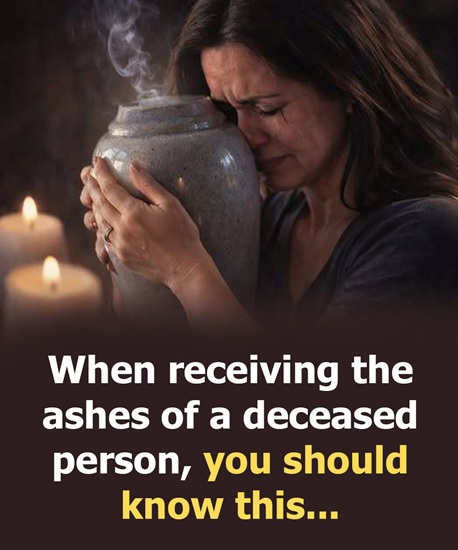
Keeping a loved one’s ashes at home is a deeply personal decision that sits at the intersection of grief, culture, religion, and psychology. For some families, it brings comfort and continuity. For others, it raises discomfort, uncertainty, or spiritual concern. As cremation becomes more common worldwide, this question appears more often in households trying to balance memory with healing. There is no universal rule that applies to everyone.
Whether it is appropriate to keep ashes at home depends largely on cultural background, personal beliefs, and emotional readiness. In many modern societies, especially in North America and parts of Europe, home memorials have become increasingly accepted as part of private grieving practices. In these settings, urns are sometimes placed in quiet corners of the home, often near photographs, candles, or personal belongings that reflect the personality of the deceased.
For many people, this arrangement creates a sense of closeness, as though the presence of the loved one remains symbolically near. Psychologically, this can be part of what grief specialists call “continuing bonds,” a concept where maintaining symbolic connection with the deceased helps some individuals cope with loss. Speaking to an urn, including it in family traditions, or keeping it in a meaningful space can provide emotional stability during mourning.
However, not everyone experiences this comfort. For some, seeing ashes daily can intensify sadness or make acceptance of loss more difficult. In these cases, grief counselors often suggest alternative memorial practices such as scattering ceremonies or placing ashes in cemeteries or columbaria.
Religious traditions also play an important role in shaping attitudes toward ashes. Within Roman Catholic teaching, cremation is permitted, but the Church emphasizes that ashes should be treated with respect and ideally placed in sacred resting places rather than kept casually at home.
The concern is not superstition but dignity. Catholic doctrine encourages that remains be kept together and interred in cemeteries or similar consecrated spaces, reflecting the belief in the sanctity of the human body even after death.
In Buddhism, cremation is widely practiced, but interpretations vary across regions and schools. In countries like Japan, it is common for families to keep ashes temporarily at home before transferring them to family graves or temple memorials.
Many Buddhist teachings also emphasize impermanence and the importance of letting go. While remembrance is encouraged, excessive attachment to physical remains is sometimes viewed as something that may hinder emotional and spiritual acceptance of loss.
Hindu traditions also place strong spiritual meaning on cremation. The process is seen as a transition for the soul, and ashes are traditionally immersed in sacred rivers such as the Ganges. This act symbolizes purification and liberation from the physical world.
Because of this belief, long-term retention of ashes at home is generally uncommon in traditional Hindu practice. The emphasis is placed on allowing the soul’s journey to continue without attachment to physical remains.
In Chinese cultural traditions influenced by ancestor veneration and feng shui principles, practices vary widely between families. Some may temporarily keep ashes at home before placing them in ancestral halls or memorial spaces.
Others prefer formal columbaria or burial sites designed to maintain harmony and respect. These choices are often influenced by beliefs about balance, respect for ancestors, and the emotional atmosphere of the household environment.
In Mexican culture, particularly during Día de los Muertos, death is approached with remembrance and symbolic celebration rather than avoidance. Families honor deceased loved ones through altars, offerings, photographs, and shared memories.
While ashes may sometimes be present, the focus is often on continued emotional connection rather than physical containment. This tradition highlights how memory and love can remain active parts of family life even after death.
Indigenous traditions around the world also vary significantly, reflecting diverse spiritual systems and relationships with nature. In some communities, ashes are returned to the earth or natural environments as part of a spiritual cycle.
In others, specific rituals guide how remains are handled to ensure respect, balance, and harmony between the physical and spiritual worlds. These practices are often deeply tied to ancestral identity and land.
In modern society, however, cremation practices are increasingly shaped by personal choice rather than strict tradition. Economic factors, mobility, and changing beliefs have led many families to design private memorial rituals.
Some people keep ashes for long periods because they are not emotionally ready to say another goodbye. The presence of an urn can feel like continuity, especially in the early stages of grief.
Others choose to scatter ashes relatively quickly, finding that physical reminders can sometimes intensify emotional pain. Both approaches reflect different ways individuals process loss and memory.
Grief itself does not follow a fixed pattern. There is no universally correct timeline or method for remembering someone who has died. Each person’s relationship with loss is shaped by personality, culture, and emotional resilience.
For some, keeping ashes at home becomes a source of comfort, a quiet reminder of shared life and connection. For others, it represents a moment in time that is difficult to move beyond, making release more important than preservation.
This difference explains why the topic often feels sensitive within families. Even among close relatives, interpretations of respect and remembrance can vary significantly, sometimes leading to emotional disagreement.
Despite these differences, most cultural and religious systems share a common foundation: respect for the dead. Whether ashes are kept, buried, or scattered, the intention is usually to honor the life that was lived.
At its core, the question of keeping ashes at home is not only about physical remains. It is about how humans process love, absence, and memory in the face of loss.
It reflects the challenge of accepting that someone who once spoke, laughed, and lived alongside us now exists only in memory and symbolic presence.
Every culture develops its own way of responding to this reality. Some emphasize letting go as part of healing. Others emphasize ongoing connection as part of remembrance.
Both approaches reveal something deeply human: the need to find meaning after loss, and to continue loving even when physical presence is gone.
Ultimately, there is no single correct answer. What matters most is respect—for the deceased, for cultural beliefs, and for the emotional needs of those who remain.
Whether ashes are kept at home or laid to rest elsewhere, the intention behind the decision is usually the same: to preserve love, honor memory, and find a way to live with absence in a meaningful and compassionate way.
