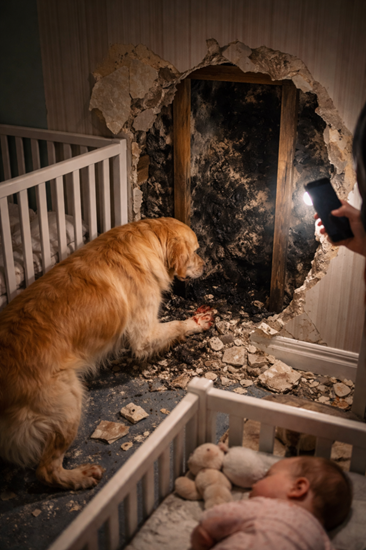
When a baby girl was around eight months old, her parents began noticing symptoms that initially seemed like a mild respiratory infection. At first, it appeared to be a common cold, something frequent in infants whose immune systems are still developing. However, what made this case concerning was the persistence of the symptoms and the way they evolved over time. The baby developed a dry, repetitive cough that did not follow a typical recovery pattern. Instead of improving after a few days.
The cough lingered and became more noticeable, especially during the night. Parents observed that her breathing sometimes sounded shallow or irregular, prompting them to check on her frequently while she slept. As time passed, the symptoms did not respond fully to standard cold treatments. This led to increased concern and eventually multiple visits to a pediatric specialist for further evaluation.
Medical Evaluation and Initial Diagnosis
During medical consultations, the infant underwent a thorough physical examination. Doctors listened to her lungs, reviewed her symptoms, and assessed her breathing patterns. Because respiratory issues in infants can have multiple causes, the initial diagnosis pointed toward a possible early form of childhood asthma.
Based on this assessment, a treatment plan was introduced that included inhaled medication designed to help open the airways and reduce inflammation. The parents followed all medical instructions carefully, ensuring the medication was administered as prescribed and monitoring her condition closely.
For a short period, there was hope that the treatment would stabilize her symptoms. However, instead of showing clear improvement, the baby’s condition fluctuated. Some days seemed slightly better, while others showed increased coughing and restlessness, especially at night.
Worsening Symptoms and Environmental Concerns
Over the following weeks, additional changes became noticeable. The infant appeared more fatigued than usual and showed reduced interest in feeding. Sleep became fragmented, and nighttime awakenings increased, often accompanied by coughing episodes that disturbed her rest.
These developments prompted further concern from the parents, who began to question whether an environmental factor in the home could be contributing to her condition. Respiratory symptoms in infants can sometimes be influenced by indoor air quality, allergens, or unseen irritants, even when no obvious signs are present.
Despite regular cleaning and maintaining a generally healthy household environment, no clear external cause was immediately identified. The situation remained unresolved, leaving the family searching for answers.
The Family Dog’s Unusual Behavior
At the same time, a significant behavioral change was observed in the family’s golden retriever. The dog, previously calm, affectionate, and well-adjusted, began exhibiting repetitive and focused behavior in the baby’s room.
The dog frequently positioned itself near the crib and began scratching insistently at a specific section of the wall. This behavior was not random. It was consistent, repetitive, and directed toward the same exact area behind the crib.
Initially, the parents assumed the behavior was either attention-seeking or a form of anxiety. Dogs can sometimes react to household changes, and the baby’s illness may have altered routines and emotional dynamics in the home.
Escalation of the Dog’s Behavior
Despite attempts to discourage the behavior, the dog continued returning to the same location. Even when removed from the room, it would find ways to re-enter and resume scratching. Over time, the intensity increased, with visible damage beginning to appear on the wall surface.
The dog’s persistence raised concerns but was still not immediately linked to any environmental issue. Physical barriers were eventually introduced to restrict access to the nursery, yet the behavior did not completely stop. When given the opportunity, the dog would again focus on the same area.
This continued pattern suggested a strong behavioral trigger that was not related to play or boredom. However, at this stage, no one yet suspected a hidden environmental hazard behind the wall.
Discovery Behind the Wall
The situation changed dramatically when the persistent scratching eventually damaged the wall structure. A section of the surface gave way, revealing a concealed space behind the drywall.
Upon closer inspection, a strong, damp odor became noticeable. This smell indicated the presence of moisture accumulation, which had gone undetected inside the wall for an extended period.
When the opening was examined further, visible signs of extensive mold growth were discovered. Dark patches had formed across the interior wooden structure, suggesting long-term exposure to moisture.
Identifying the Source of the Problem
Further investigation revealed that a slow plumbing leak from a nearby bathroom pipe was likely responsible. The leak had been releasing small amounts of water over time, allowing moisture to accumulate inside the wall cavity.
Because the leak was hidden, it went unnoticed during routine household maintenance. Over time, the damp conditions created an ideal environment for mold development, which gradually spread behind the nursery wall.
This type of hidden moisture problem is known in building science to be particularly dangerous because it can persist without visible external signs for long periods.
Connection to the Infant’s Health
Once the mold was discovered, concern immediately shifted to the potential impact on the infant’s respiratory health. Mold exposure, particularly in enclosed indoor environments, can release spores into the air that may act as irritants to sensitive respiratory systems.
Infants are especially vulnerable due to their developing lungs and higher sensitivity to airborne particles. The proximity of the crib to the affected wall raised serious questions about whether prolonged exposure could have contributed to the baby’s persistent cough and breathing difficulties.
While asthma remained a possible diagnosis, the environmental factor introduced a new and important dimension to the investigation.
Reinterpreting the Dog’s Behavior
In hindsight, the dog’s repeated focus on the wall began to appear more significant. Dogs possess a highly developed sense of smell, far more sensitive than that of humans. It is plausible that the dog detected the presence of moisture, decay, or mold long before it became visible or noticeable to people.
Although the behavior initially seemed destructive, it may have been an instinctive response to an abnormal environmental condition. The dog’s persistence in targeting the same area suggests it was reacting to something specific rather than behaving randomly.
This interpretation highlights how animal behavior can sometimes provide early warning signs of hidden environmental issues.
Resolution and Environmental Correction
Once the mold and leak were identified, immediate action was taken to repair the plumbing issue and remove contaminated materials. Professional remediation was required to ensure that the affected area was fully cleaned and made safe again.
The nursery environment was thoroughly assessed, and steps were taken to improve air quality and prevent future moisture accumulation. These interventions were essential in restoring a healthy living space for the child.
The situation served as a reminder of the importance of regular home inspections, especially in areas where moisture can accumulate unseen.
This case illustrates how health issues in children can sometimes be influenced by environmental conditions that are not immediately visible. It also demonstrates how unexpected behavior from a household pet can, in some cases, draw attention to underlying problems.
While the dog’s actions initially caused confusion and frustration, they ultimately coincided with the discovery of a serious hidden issue. The combination of medical observation, environmental investigation, and behavioral clues led to a complete understanding of the situation.
In the end, the resolution required both medical attention for the child and structural repair of the home environment. The experience underscores the importance of considering all possible factors when unexplained health symptoms persist, especially in vulnerable individuals such as infants.
