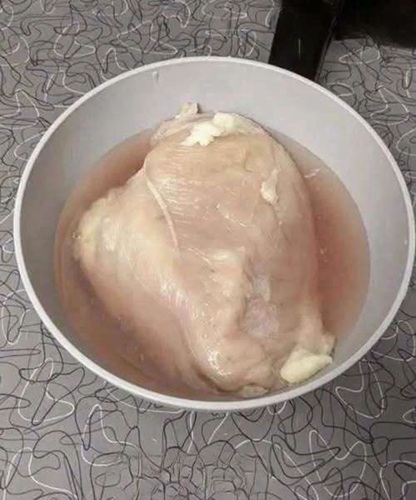
Leftover chicken is one of the most commonly reused foods in households because it is versatile, affordable, and easy to incorporate into new meals. However, despite its convenience, cooked chicken is also highly perishable and requires careful handling. Food safety experts consistently emphasize that improper storage or reheating can lead to the growth of harmful bacteria, which may cause foodborne illness even when the food appears normal.
Chicken is particularly sensitive because it contains high levels of moisture and protein, creating an ideal environment for bacterial growth if left at unsafe temperatures. While cooking eliminates harmful bacteria such as Salmonella or Campylobacter present in raw poultry, contamination can still occur after cooking. This can happen through exposure to dirty surfaces, improper handling, or extended time spent at room temperature.
One of the most important safety guidelines is the “two-hour rule.” According to food safety recommendations, cooked chicken should be refrigerated within two hours of being cooked or served. If the surrounding environment is hot—above 90°F (32°C)—this time limit is reduced to just one hour. This is because bacteria multiply much faster in warmer conditions, increasing the risk of contamination even if the food looks and smells fine.
Once chicken is safely stored, refrigeration temperature becomes equally important. The refrigerator should be maintained at 40°F (4°C) or lower to slow bacterial growth effectively. To ensure faster cooling, leftover chicken should be placed in shallow containers rather than deep pots or large bowls. Shallow storage allows heat to escape quickly, reducing the time food spends in the “danger zone” temperature range.
When stored properly, cooked chicken can generally remain safe in the refrigerator for three to four days. After this period, the risk of bacterial growth increases significantly, even if there are no visible signs of spoilage. Because bacteria are not always detectable through smell or appearance, it is not recommended to rely on sensory checks alone when determining whether leftovers are still safe.
For longer storage, freezing is the best option. Freezing at 0°F (-18°C) or lower stops bacterial growth entirely, preserving chicken for extended periods. While frozen chicken remains safe indefinitely, quality is best maintained when consumed within two to six months. Proper packaging, such as airtight containers or freezer-safe bags, helps prevent freezer burn and maintain texture and flavor.
Reheating leftover chicken safely is just as important as storing it correctly. The chicken must be reheated to an internal temperature of 165°F (74°C) to ensure that any bacteria that may have developed during storage are destroyed. Uneven heating should be avoided, as cold spots in food can allow bacteria to survive. Using a food thermometer is the most reliable way to confirm safe reheating.
Different reheating methods can affect both safety and texture. Ovens and stovetops often provide more even heating compared to microwaves, although microwaves are still safe when used properly. When using a microwave, it is recommended to cover the food, stir or rotate it halfway through, and allow it to rest briefly afterward so heat distributes evenly.
It is also important to avoid repeatedly reheating the same portion of chicken. Each cycle of cooling and reheating increases the chance of bacterial growth and can also degrade food quality. For this reason, it is safer to only reheat the portion that will be eaten immediately, leaving the rest stored properly.
Safe thawing methods are another key aspect of handling chicken. The safest ways to thaw frozen chicken include thawing it in the refrigerator, using cold water (with regular water changes), or using a microwave if it will be cooked immediately afterward. Leaving chicken to thaw at room temperature is not recommended, as it allows the outer layer to warm into the bacterial growth range while the inside remains frozen.
Cross-contamination is another major risk factor in food safety. Cooked chicken should always be stored separately from raw foods, and utensils or cutting boards that have touched raw poultry should be thoroughly washed before reuse. Even small traces of raw juices can transfer bacteria to cooked food if proper hygiene is not followed.
Foodborne illness risks can be more serious for certain groups, including young children, older adults, pregnant women, and individuals with weakened immune systems. For these groups, strict adherence to storage and reheating guidelines is especially important, as their bodies are less able to fight off harmful bacteria.
Another important consideration is meal preparation habits. When planning meals with leftovers, it is helpful to divide cooked chicken into smaller portions before storing. This reduces the need to reheat large amounts multiple times and improves both safety and convenience. Proper labeling with dates can also help track freshness more effectively.
Signs of spoilage in cooked chicken may include unusual odor, slimy texture, or discoloration. However, it is important to remember that dangerous bacteria do not always produce visible or noticeable changes. This is why time and temperature guidelines are more reliable than appearance when evaluating safety.
Reducing food waste is another benefit of proper storage practices. By refrigerating or freezing chicken promptly, households can safely extend the life of leftovers while minimizing unnecessary disposal. This not only supports food safety but also contributes to more efficient and sustainable kitchen habits.
In conclusion, leftover chicken can be safely enjoyed when handled with proper care. Following key guidelines—such as timely refrigeration, correct storage temperatures, safe reheating, and avoiding cross-contamination—ensures both food safety and quality. With simple but consistent habits, it is possible to enjoy leftover meals confidently while protecting health and reducing waste.
