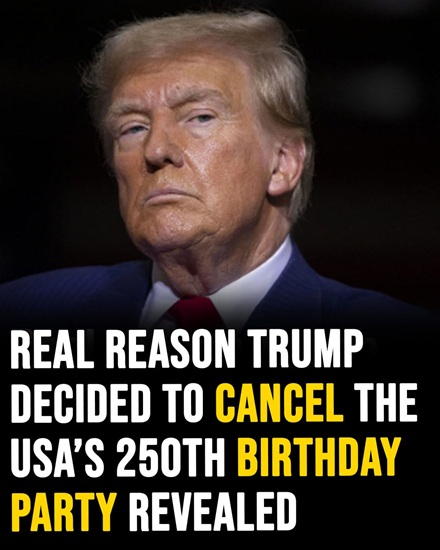
Reports surrounding the planned “Freedom 250” celebration, linked to the upcoming 250th anniversary of the United States, have drawn widespread attention following reported changes in the event’s performer lineup and public discussion about its format. According to multiple media reports, the concert series was originally intended to be part of broader national commemorations celebrating the United States’ semiquincentennial milestone, featuring live music performances and cultural programming.
However, recent coverage indicates that the event has undergone adjustments after several performers reportedly withdrew or distanced themselves from participation before the final lineup was confirmed. Some of the artists mentioned in reports as previously associated with the event include Martina McBride, Bret Michaels, Young MC, and members of The Commodores, although their participation status has been described as changing during the planning process.
Media accounts suggest that some performers expressed uncertainty about the nature of the event after learning more details about its organization and public framing. Other artists, including Vanilla Ice and Flo Rida, have been reported in various outlets as still being associated with the event at different stages of planning, although final confirmation of the lineup has remained unclear in some reports.
As discussions around the event continued, public attention shifted toward comments made by Donald Trump regarding the future of the concert series. According to statements attributed to Trump on Truth Social and referenced in media coverage, he suggested that the planned concerts could be replaced or restructured into a different type of public gathering.
In those remarks, he reportedly proposed the idea of holding a large political-style rally instead of a traditional concert format for parts of the celebration. He also criticized some of the performers who had withdrawn, describing them in strongly worded comments that were widely reported in media coverage of the situation. In his statements, Trump suggested that a rally format could better reflect what he described as national pride and public enthusiasm, rather than a standard entertainment concert structure.
He also referenced the idea of organizing a large-scale political event connected to the anniversary celebrations, using language consistent with his public rally messaging style. Among the comments reported by multiple outlets, Trump also referred to himself in promotional terms, suggesting he could serve as a central attraction for the proposed alternative event. He compared his public drawing power to historical entertainment figures, including Elvis Presley, in comments that were widely circulated in media reports.
Trump further described the idea of a large rally-style event as an “America is Back” themed gathering, according to the statements cited in coverage. These remarks have contributed to ongoing public discussion about the evolving nature of the Freedom 250 celebration and how it may differ from its originally announced format.
At the same time, the situation has prompted broader commentary about how large-scale national events involving entertainment and public figures are organized and promoted. Industry observers note that entertainment lineups for major public events can change frequently due to scheduling conflicts, contractual considerations, or shifts in public perception. In cases where events attract political attention, performers sometimes reassess participation based on personal, professional, or reputational factors, according to general industry practices.
As a result, the Freedom 250 concert series has become a subject of evolving coverage, with updates focusing on both confirmed and withdrawn participants. Despite the reported changes, organizers and associated stakeholders have continued planning for broader 250th anniversary celebrations, which are expected to include a variety of cultural and public events. These national commemorations are part of long-term planning efforts marking 250 years since the founding of the United States, involving multiple cities and institutions.
The concert series, as described in earlier announcements, was intended to serve as one element of the larger celebratory program. However, the structure, performer lineup, and final format of the event remain subject to change based on ongoing planning and public communications.
Reports also highlight that public reactions to the evolving lineup have been mixed, reflecting differing perspectives on the intersection of entertainment and political themes in large national events. Some commentators have focused on the importance of keeping cultural celebrations inclusive and broadly accessible, while others emphasize the role of political expression in public gatherings.
As discussions continue, there has been increased attention on how major events balance entertainment value with public messaging and organizational branding. In the case of Freedom 250, media coverage suggests that both logistical and public perception factors have influenced how the event is being discussed and developed.
At present, no final comprehensive lineup or definitive structure for the concert series has been universally confirmed across all reports. The situation remains ongoing, with updates expected as organizers finalize decisions regarding performers and event programming. Trump’s comments, as reported in media coverage, have added another dimension to the public conversation surrounding the event, particularly regarding the possibility of alternative formats such as large-scale rallies.
As planning continues, the Freedom 250 celebration remains a developing national project tied to a significant historical milestone in the United States. Further official announcements are expected to clarify the final structure, participating performers, and overall format of the event as it approaches its scheduled timeline.
