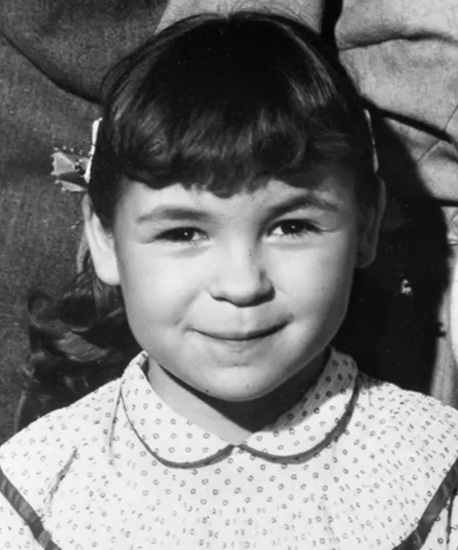
Lauren Chapin is widely remembered as a former child actress who rose to prominence during the golden age of American television, gaining early recognition for her natural screen presence and emotional range. Her first notable film appearance reportedly came at a very young age when she worked alongside Judy Garland in A Star Is Born, a major Hollywood production that introduced her to professional acting environments.
Following this early exposure, Chapin continued building her career with appearances on television anthology series such as CBS’s Lux Video Theatre, which showcased many emerging performers of that era. Her defining role came when she was cast as Kathy “Kitten” Anderson in the popular family sitcom Father Knows Best, where she portrayed the youngest child in the Anderson family.
The series, which aired during the 1950s, featured actors such as Robert Young, Jane Wyatt, Elinor Donahue, and Billy Gray, and became one of the most recognizable family programs of its time. Chapin remained in the role from approximately 1954 until 1960, and her performance contributed significantly to the show’s portrayal of idealized American family life on television.

While her on-screen image reflected innocence and stability, Chapin later revealed that her personal life during and after her childhood years was marked by serious emotional and psychological difficulties. In later interviews, she spoke about a deeply troubled upbringing, including claims of abuse and instability within her household, which she described as having long-term effects on her mental health.
She has stated that her mother struggled with alcoholism, and that she experienced trauma at a young age, which she later linked to emotional distress and mental health challenges. According to Chapin’s own accounts, by her early adolescence she was already dealing with severe emotional struggles and had attempted suicide at the age of eleven.
These experiences contrasted sharply with the cheerful character she portrayed on television, creating a difficult separation between her public image and private reality. Chapin has reflected on this contrast in interviews, expressing confusion and pain over the difference between her character’s fictional stability and her own lived experiences.

Her transition into adulthood was also marked by instability, including an early marriage at the age of sixteen, which ended in divorce only two years later. She later experienced additional marital difficulties, including one marriage that was annulled after she discovered that her partner had not been legally divorced from a previous relationship. Chapin has also spoken about entering a highly vulnerable period in her young adult life, during which she became involved in abusive relationships and substance dependency.
She has stated that she struggled with heroin addiction for several years, describing this period as one of the most difficult chapters of her life.
Despite these challenges, she eventually achieved sobriety in her mid-twenties, marking a turning point that allowed her to begin rebuilding her life and identity. After overcoming addiction, Chapin gradually shifted her focus away from acting and toward personal recovery and professional reinvention.
She later worked as a talent manager, using her industry experience to guide and support younger performers entering the entertainment business. Among those she is credited with helping is actress Jennifer Love Hewitt, who later gained fame for her roles in television and film projects such as Party of Five.

Through this work, Chapin transitioned from performer to mentor, contributing to the careers of others within the entertainment industry.
Her later years were often described in media coverage as a period of reflection, resilience, and attempts to use her experiences to help others facing similar struggles. Despite the hardships she endured earlier in life, she remained connected to the legacy of Father Knows Best, a show that continues to be referenced in discussions of early American television history.
Lauren Chapin’s life story is often summarized as one of early fame, personal adversity, and eventual recovery, highlighting both the pressures of child stardom and the challenges of adulthood. Her passing at the age of 80 marks the end of a life that, while shaped by significant struggle, also included periods of rebuilding, contribution, and resilience within the entertainment world.
