Heart disease remains the leading cause of death in the United States, and in 2024 alone it was responsible for hundreds of thousands of fatalities. While public discussions often focus on saturated fat, red meat, and excess salt as the main dietary risks, some medical professionals argue that another major factor is frequently overlooked: refined carbohydrates. These include highly processed forms of sugar and starch that are quickly absorbed by the body and can significantly impact metabolic health over time.
Diet plays a central role in cardiovascular health, alongside factors such as genetics, physical activity, stress levels, and access to preventive healthcare. For decades, dietary guidelines have evolved as research has developed, but there is still ongoing debate among experts about which foods have the strongest influence on heart disease risk. In recent years, attention has increasingly turned toward how refined carbohydrates affect blood sugar, insulin levels, and inflammation in the body.
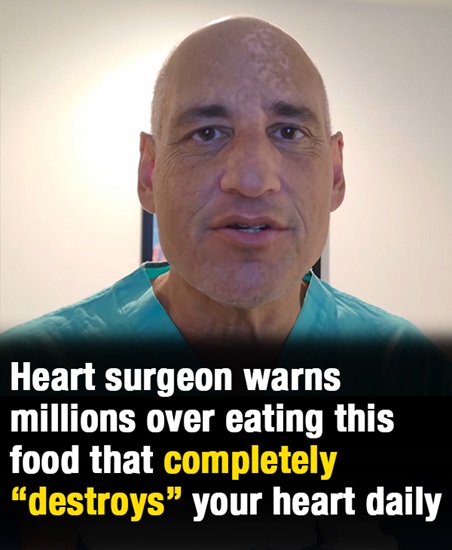
One of the doctors contributing to this discussion is Dr. Philip Ovadia, a veteran heart surgeon who has spoken publicly about the potential dangers of excessive refined carbohydrate consumption. He argues that these types of foods may contribute to long-term metabolic dysfunction, particularly through the development of insulin resistance. According to his perspective, this process may gradually damage cardiovascular health in ways that are not always immediately visible in early stages.
Dr. Ovadia has explained in interviews that insulin resistance can create a chronic inflammatory state within the body. Over time, this inflammation may contribute to the buildup of arterial plaque, which is a key factor in heart attacks and other cardiovascular events. He emphasizes that this type of plaque is often unstable, meaning it can rupture unexpectedly and lead to serious complications such as blocked arteries.
From his clinical experience as a heart surgeon, Dr. Ovadia has observed cases where patients develop advanced heart disease despite not always fitting traditional risk profiles. He suggests that diet-heavy in refined carbohydrates may play a significant role in creating conditions that promote cardiovascular disease, even when other factors like cholesterol levels or weight may not fully explain the outcome.
Refined carbohydrates are commonly found in many everyday foods that are often perceived as healthy or neutral. These include items such as low-fat granola, whole wheat bread, rice cakes, flavored yogurts, fruit juices, instant oatmeal, breakfast cereals, crackers, and packaged snacks like potato chips. While some of these products are marketed as nutritious or weight-conscious options, they can still contain high levels of processed sugars or rapidly digestible starches.
According to Dr. Ovadia, these foods can cause rapid spikes in blood sugar and insulin levels, which over time may strain the body’s metabolic system. He suggests that repeated exposure to these fluctuations can contribute to long-term insulin resistance, which is increasingly recognized in medical research as a potential risk factor for heart disease, type 2 diabetes, and other chronic conditions.
Instead of relying heavily on refined carbohydrates, he recommends focusing on whole, minimally processed foods. These include vegetables, high-quality proteins, and healthy fats, which tend to have a slower impact on blood sugar and provide more stable energy levels throughout the day. This type of dietary approach is often associated with improved metabolic health and reduced inflammation markers in some studies.
Nutrition experts generally agree that dietary patterns as a whole matter more than any single food group. While there is ongoing scientific discussion about the role of carbohydrates versus fats in heart disease, many guidelines emphasize balanced eating, portion control, and limiting ultra-processed foods. This includes reducing intake of added sugars and refined starches, which are commonly found in packaged and convenience foods.
The broader conversation around heart health continues to evolve as new research emerges. Scientists are increasingly studying how inflammation, insulin resistance, and metabolic syndrome interact with cardiovascular disease risk. While no single dietary factor is solely responsible for heart disease, there is growing recognition that highly processed carbohydrates may play a more significant role than previously thought.
Ultimately, experts stress that prevention involves a combination of healthy lifestyle choices, including regular physical activity, not smoking, managing stress, and maintaining a balanced diet. The discussion raised by Dr. Ovadia adds to a wider medical debate about how modern diets may influence long-term heart health, encouraging people to look more closely at the quality of carbohydrates they consume rather than focusing only on fat or salt intake.
