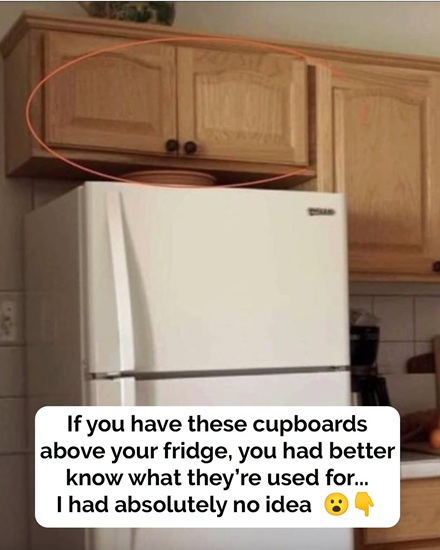
Walk into almost any kitchen and you will probably notice a small cabinet positioned directly above the refrigerator. Many homeowners overlook this space or fill it with random household items that are quickly forgotten. Because it sits higher than eye level and can be difficult to reach, it often becomes one of the least organized areas in the kitchen. However, with a little planning, this overlooked cabinet can become a valuable storage solution that helps keep the rest of your kitchen neat, organized, and easier to use.
Kitchen organization is about much more than appearance. An organized kitchen can make cooking more efficient, reduce clutter on countertops, and help prevent food from being forgotten or wasted. Professional organizers often recommend assigning every cabinet a specific purpose so that every item has a designated home. The cabinet above the refrigerator may not be ideal for everyday essentials, but it can serve an important role for items that are only used occasionally or need long-term storage.
Many homes include this cabinet because refrigerators are generally shorter than the height of surrounding kitchen cabinets. Instead of leaving an empty gap, cabinet makers often install an additional storage compartment above the appliance. While its location may seem inconvenient at first, it offers an excellent place for lightweight items that do not need to be accessed every day. Understanding its limitations is just as important as recognizing its advantages…

One of the most practical uses for this cabinet is storing small kitchen appliances that are only needed a few times each year. Many households own items such as waffle makers, sandwich presses, popcorn machines, ice cream makers, or food processors that spend most of their time sitting unused. Keeping these appliances in the upper cabinet frees up valuable space in lower cabinets where frequently used cookware belongs. Before storing them, make sure they are clean and completely dry to prevent unpleasant odors or moisture buildup.
Baking supplies that are only used occasionally can also fit well in this location. Cake decorating tools, cookie cutters, rolling pins, pastry bags, silicone molds, and specialty baking pans often take up unnecessary space in everyday cabinets. By placing these seasonal or occasional baking tools above the refrigerator, they remain easy to locate whenever birthdays, holidays, or family celebrations arrive while leaving more accessible storage for daily kitchen essentials.
-Another smart use involves storing unopened pantry products with a long shelf life. Items such as canned vegetables, canned beans, canned soups, dry pasta, rice, unopened sauces, and packaged grains generally remain stable for extended periods when stored in a cool, dry place. Before choosing this cabinet, however, remember that some refrigerators release warm air through the top or back during operation. If the cabinet becomes noticeably warm, it may be better suited for cookware than for temperature-sensitive food products.
Many families also discover that this cabinet is an excellent location for seasonal kitchen items. Holiday cookie tins, serving trays used only during family gatherings, festive table decorations, special mugs, or themed kitchen accessories can all be stored safely until needed. This approach keeps seasonal clutter out of everyday cabinets while making it much easier to locate these items when special occasions arrive.
Cookbooks are another practical option for upper cabinet storage. Many people collect recipe books over the years but rely primarily on just a few favorites. Instead of allowing dozens of books to occupy valuable countertop or cabinet space, the less frequently used volumes can be neatly organized above the refrigerator. Keeping them upright with simple bookends or storage dividers helps prevent damage and makes browsing recipes much easier whenever inspiration strikes.

-Bulk household supplies can also benefit from this extra storage area. Extra paper towels, unopened boxes of storage bags, aluminum foil, plastic wrap, parchment paper, disposable food containers, or spare kitchen towels can all be placed neatly inside. Since these supplies are generally lightweight, they are easier to lift safely than heavier cookware or large appliances. Organizing similar products together inside labeled baskets or containers makes them easier to find without creating unnecessary clutter.
Some homeowners choose to store decorative serving dishes or fine china in this cabinet. If these pieces are only brought out during holidays or special family dinners, placing them above the refrigerator helps protect them from accidental damage while freeing space elsewhere. However, fragile dishes should always be stored securely with enough room to prevent shifting, and heavier collections should never be stacked in a way that creates a safety hazard when removing them.
Proper organization can make this cabinet even more useful. Clear storage bins, labeled containers, shelf organizers, or small baskets help separate categories and prevent items from becoming disorganized over time. Instead of creating a hidden “junk cabinet,” grouping similar products together ensures that every inch of available space serves a practical purpose. Spending a few extra minutes organizing now can save considerable time later when searching for a specific item…
The cabinet above the refrigerator may seem small, but when used thoughtfully it can contribute significantly to a cleaner, more functional kitchen. Rather than allowing it to become forgotten storage filled with miscellaneous objects, consider assigning it a specific purpose based on your family’s needs. Whether you choose to store seasonal cookware, specialty appliances, pantry items, or household supplies, making intentional use of this often-overlooked space can improve organization throughout your entire kitchen.
Although the cabinet above the refrigerator can be extremely useful, organizing it thoughtfully is essential if you want it to remain practical over time. One common mistake people make is treating it as a place for random household items that have nowhere else to go. Over the months, this often creates a cluttered cabinet filled with forgotten objects that are difficult to reach. Instead, choosing a clear purpose for the space makes it easier to keep organized and prevents unnecessary accumulation of items you no longer need.
Using storage baskets or clear containers can significantly improve accessibility. Grouping similar products together allows you to remove one container rather than searching through an entire cabinet every time you need something. Labels can also be helpful, especially in larger households where several family members use the kitchen. A simple organization system saves time and reduces frustration while making the cabinet much more functional throughout the year.
Many professional organizers also recommend reviewing upper cabinets every few months. Household needs naturally change over time, and products that once seemed important may no longer be useful. Seasonal decorations, duplicate kitchen gadgets, or expired pantry items can quietly occupy valuable storage space without anyone noticing. A quick inspection once or twice a year helps ensure that every item stored above the refrigerator still serves a purpose.
If you decide to store pantry products, always pay attention to temperature. Most refrigerators release heat during normal operation, particularly through the back or top ventilation system. While this warmth usually does not affect durable household supplies or cookware, it may shorten the shelf life of certain foods if the cabinet becomes excessively warm. Checking the temperature occasionally can help determine whether the space is better suited for food storage or non-food items.
Safety should always remain the highest priority when using upper cabinets. Because these cabinets sit above head level, heavy objects can become dangerous if they shift or fall while being removed. Large stand mixers, cast-iron cookware, or oversized serving dishes are often better stored in lower cabinets where they can be lifted more safely. Reserving the upper cabinet for lighter items reduces the risk of injury while making access much easier.
Whenever you need to reach the cabinet, use a sturdy step stool or ladder rather than standing on chairs or countertops. A stable platform provides better balance and reduces the chance of slipping while carrying items. Taking a few extra moments to retrieve something safely is always preferable to risking an accident that could easily have been avoided.
Families with young children may find additional benefits in this storage location. Cleaning products that are specifically labeled for kitchen use—but always kept separate from food—special occasion dishware, fragile serving pieces, or decorative items can remain safely out of children’s reach. Even so, potentially hazardous materials should always be stored according to manufacturer recommendations and kept securely away from food preparation areas whenever appropriate.
The cabinet above the refrigerator can also support a more minimalist kitchen. Many people discover they own multiple versions of the same appliance or utensil simply because they lose track of what they already have. Organizing this space carefully encourages regular inventory checks, making it easier to avoid unnecessary purchases and reducing overall household clutter. A well-organized kitchen often leads to more efficient meal preparation and a calmer cooking environment.
Another practical strategy is rotating seasonal items throughout the year. Holiday baking supplies, outdoor picnic accessories, or specialty serving dishes can be moved into the cabinet when they are not needed and exchanged as the seasons change. This keeps everyday cabinets focused on frequently used items while ensuring seasonal products remain protected and easy to locate when their time comes.
Ultimately, the small cabinet above the refrigerator demonstrates that even overlooked spaces can become valuable with thoughtful planning. Instead of viewing it as an inconvenient or forgotten compartment, homeowners can transform it into organized storage that supports a cleaner and more efficient kitchen. By selecting appropriate items, maintaining good organization habits, following basic safety precautions, and reviewing its contents periodically, this modest cabinet can become one of the most practical storage areas in the home.
A well-organized kitchen is rarely the result of adding more space. More often, it comes from making smarter use of the space that already exists. The cabinet above the refrigerator is a perfect example of how a simple organizational change can improve daily routines, reduce clutter, and create a kitchen that is both attractive and functional. With careful planning and regular maintenance, this often-overlooked storage area can continue serving your household effectively for many years while keeping essential kitchen spaces clean, organized, and ready for everyday use.
