Stories of kindness often begin in the most unexpected ways. Sometimes, a simple mistake can open the door to something far greater than anyone could imagine. This is a story inspired by real-life struggles that many families face—financial hardship, uncertainty, and the quiet hope that things might one day improve. While the details may not belong to one confirmed real-life case, the emotions and situations reflect realities experienced by countless people around the world.
It is a reminder that even small acts of compassion can have a lasting impact. And sometimes, a single moment can change the direction of an entire life. Sofia Miller was only twelve years old, but she already understood responsibility in a way many children her age did not. Life had never been easy for her family. They lived in a small, aging house that struggled to protect them from the cold during winter and the heat during summer. Cracks in the walls let in air, and repairs were always postponed because there was never enough money.
Every day brought new challenges, and uncertainty had become part of their routine. Despite everything, Sofia tried to stay strong, especially for her younger brother, Luka. Her mother worked tirelessly to keep the family afloat. She cleaned offices and homes, often leaving before sunrise and returning long after sunset. The work was exhausting, but she rarely complained. Even when she was visibly tired, she did her best to smile and reassure her children that things would improve.
She carried the weight of the family on her shoulders, determined to provide what she could with the limited resources available. For Sofia, watching her mother struggle was both painful and motivating—it made her want to help in any way she could. Luka, the youngest member of the family, had just turned one year old. He was too young to understand their situation, but he felt its effects in the simplest ways—especially when he was hungry.
On one particularly difficult day, his cries filled the small house for hours. Sofia held him close, rocking him gently and whispering comforting words, even though she wasn’t sure how she would solve the problem. His cries were not just sounds; they were reminders of a situation she could not control. Determined to find something, Sofia went into the kitchen and began checking every cabinet. She opened each one slowly, hoping she had missed something before. But there was almost nothing left. The refrigerator held only a few basic items, none of which could help in that moment. The emptiness felt overwhelming.
It wasn’t just about food—it was about the realization that they had reached a point where even the simplest needs were difficult to meet. In that moment, Sofia remembered her aunt Anna. Their relationship was complicated. Sometimes her aunt helped, and sometimes she didn’t. But when options are limited, even a small possibility can feel important. Sofia picked up her mother’s old phone. The screen was cracked, and the battery didn’t last long, but it still worked well enough to send a message. She carefully typed her request, choosing her words with care, aware that this might be her only chance.
She wrote, “Aunt Anna, can you send me 20 dollars? I need to buy milk for Luka. I will return everything. Please.” She read the message several times before sending it, making sure it sounded respectful and clear. Taking a deep breath, she pressed the send button. At that moment, she believed she had reached out to someone she knew. What she didn’t realize was that one small mistake in the number would lead her somewhere entirely unexpected.
The reply came sooner than she anticipated. The message read, “Who is this?” Her heart skipped a beat. She immediately realized something was wrong. She had sent the message to the wrong number. For a moment, she felt panic. She had reached out in a moment of vulnerability, and now a stranger had received her message. Unsure of what to do, she responded honestly, explaining the mistake and her situation as simply as she could.
There was a short pause before another message appeared. This time, it was brief but direct: “Send the address.” Sofia hesitated. She didn’t know who this person was or what their intentions might be. But she also knew that she had no other options at that moment. Trusting her instincts, she sent the address. It was a decision made out of necessity, hope, and a small belief that maybe something good could come from this unexpected situation.
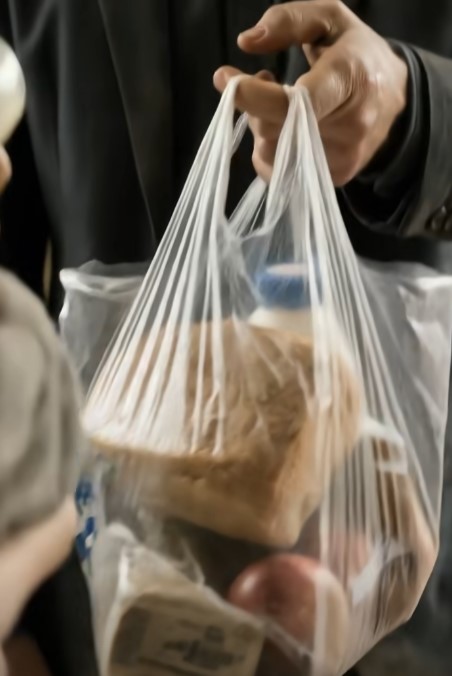
About thirty minutes later, a car pulled up outside their house. Sofia watched from the window, her heart racing. A man stepped out carrying bags—groceries, baby supplies, and essentials the family desperately needed. He introduced himself and explained that he had received her message. Without asking for anything in return, he offered help. That night, for the first time in a while, Luka went to sleep without crying. The house felt different—quieter, calmer, and filled with a sense of relief.
What made the moment even more meaningful was not just the help itself, but the fact that someone had chosen to respond. A stranger had taken the time to care. That simple decision created a ripple effect that extended beyond that one evening. It reminded Sofia that even in difficult times, kindness could appear in unexpected ways. It also showed her that asking for help, even when it feels uncomfortable, can sometimes lead to meaningful connections.
In the days and weeks that followed, the support did not disappear. The stranger stayed in contact, offering guidance and helping Sofia’s mother find more stable opportunities. Small changes began to take place. Life didn’t become perfect overnight, but it became more manageable. The family slowly moved from survival toward stability. And with each step forward, their sense of hope grew stronger.
As the years passed, Sofia carried that experience with her. It shaped how she saw the world and influenced the choices she made as she grew older. She became determined to help others facing similar challenges. The memory of that one message—the one sent by mistake—remained a constant reminder that even the smallest actions can have lasting consequences. It wasn’t just about receiving help; it was about understanding the power of giving it.
Eventually, Sofia found herself in a position where she could support others. Whether through her work or personal efforts, she looked for ways to make a difference. One day, she met a young mother struggling in a way that felt very familiar. Holding her child, the woman looked overwhelmed and uncertain. Sofia offered reassurance, drawing from her own experience. In that moment, she realized she had come full circle.
What truly changed Sofia’s life was not just the mistake of sending a message to the wrong number. It was the decision of someone else to respond with kindness. That single act created an opportunity, and that opportunity led to transformation. It’s a reminder that life doesn’t always change through carefully planned steps. Sometimes, it changes through simple, human choices—the choice to listen, to respond, and to care.
In the end, stories like this resonate because they reflect something universal. Hardship is real, but so is compassion. While not every situation will have the same outcome, the message remains important. Kindness, even in its smallest form, can travel further than we expect. And sometimes, the most meaningful changes begin not with certainty—but with a simple, unexpected connection.
