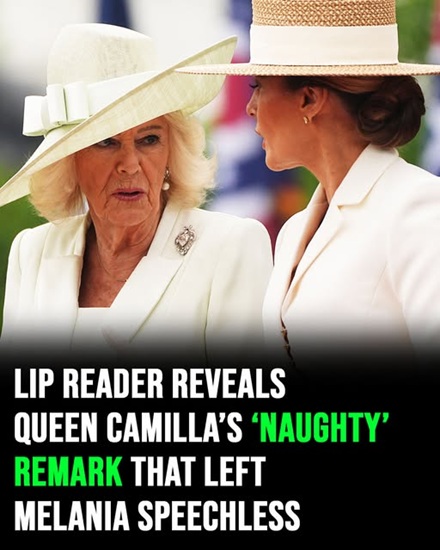
During high-profile diplomatic visits, public attention often focuses not only on political leaders but also on the symbolic roles played by accompanying figures such as First Ladies and members of royal families. In the case of interactions involving Melania Trump and Queen Camilla. Observers frequently note how their roles are shaped by tradition, protocol, and ceremonial expectations. State visits involving the United States and the United Kingdom are among the most carefully structured diplomatic events.
These occasions typically include formal receptions, military ceremonies, private meetings, and cultural exchanges. While heads of state such as King Charles III and the U.S. President take center stage in political discussions, accompanying figures often participate in parallel engagements that reflect diplomacy through cultural and social interaction.
The Symbolic Role of First Ladies and Queens in Diplomacy
In modern diplomacy, figures such as First Ladies and Queens often play a supporting but highly visible role. Their presence contributes to the ceremonial tone of state visits, and their interactions are often interpreted as symbols of goodwill between nations.

Melania Trump has participated in multiple state visits, both in the United States and abroad, where her role has typically included attending cultural tours, official receptions, and private engagements with visiting dignitaries. Similarly, Queen Camilla performs a comparable role within the British royal framework, supporting diplomatic outreach through ceremonial participation and cultural representation.
U.S.–U.K. State Visits and Diplomatic Tradition
State visits between the United States and the United Kingdom are built on long-standing historical ties. These events often include military honors, formal dinners, and structured meetings between leaders. The presence of both royal and political figures reinforces the symbolic relationship between the two countries.
During such visits, King Charles III plays a central constitutional role as monarch, while the U.S. President represents executive authority. Alongside them, figures like First Ladies and Queens contribute to the cultural and ceremonial aspects of the visit, ensuring that diplomatic engagement extends beyond formal political discussions.
Ceremonial Military Reviews and Weather Conditions
One of the traditional components of state visits is the ceremonial military review, which showcases military honor guards, precision formations, and official recognition of the visiting head of state. These events are highly symbolic and reflect respect between allied nations.
Weather conditions can sometimes affect the tone of these outdoor ceremonies. Rain or other environmental factors are common in public ceremonial settings and are typically managed with logistical planning. Despite such conditions, these events proceed as planned, maintaining their diplomatic significance.
Private Engagements Between First Ladies and Royal Figures
In addition to formal ceremonies, state visits often include private or semi-private engagements between accompanying figures such as First Ladies and Queens. These interactions may involve cultural tours, historical exhibitions, or informal discussions.
Melania Trump has previously participated in similar engagements during state visits, including visits to cultural institutions and historical sites. Likewise, Queen Camilla often engages in cultural and literary initiatives as part of her public duties, including visits to libraries, museums, and educational institutions.
These meetings are generally designed to foster cultural exchange rather than political negotiation.
The Nature of Diplomatic Conversation and Public Interpretation
During state visits, conversations between public figures are often brief, informal, and shaped by protocol expectations. While such interactions may later be interpreted or reported in various ways, official documentation of private dialogue is typically limited.
Observers and media outlets sometimes speculate about the tone or content of these exchanges, but verified information usually focuses on the formal structure of the visit rather than private conversations. This is standard practice in diplomatic reporting.
Media Coverage and Public Attention
Public interest in state visits is often amplified by media coverage, which highlights not only political discussions but also fashion, cultural exchanges, and interpersonal dynamics between attending figures. Social media further intensifies this attention by rapidly circulating images and commentary.
Figures such as Melania Trump and Queen Camilla frequently become focal points of this coverage due to their visibility and symbolic roles. Their interactions are often interpreted as reflections of broader diplomatic relations, even when they are primarily ceremonial in nature.
The Role of Humor and Informality in Diplomacy
While state visits are highly formal events, moments of informal conversation are not uncommon. These interactions help humanize diplomatic proceedings and can ease the rigidity of ceremonial settings. However, such moments are usually brief and contextual.
Public interpretation of informal exchanges often varies depending on media framing and audience perception. Without official confirmation, it is important to distinguish between verified diplomatic records and informal speculation.
State visits between the United States and the United Kingdom remain among the most symbolically significant diplomatic events in modern international relations. They combine political dialogue with cultural ceremony, military tradition, and public engagement.
Figures such as Melania Trump, Queen Camilla, and King Charles III each play distinct but interconnected roles in shaping the tone of these events. While leaders conduct official discussions, accompanying figures contribute to the cultural and ceremonial framework that supports diplomatic relations.
Ultimately, these visits highlight how diplomacy extends beyond politics, encompassing tradition, symbolism, and interpersonal interaction in ways that continue to evolve in the modern era.
