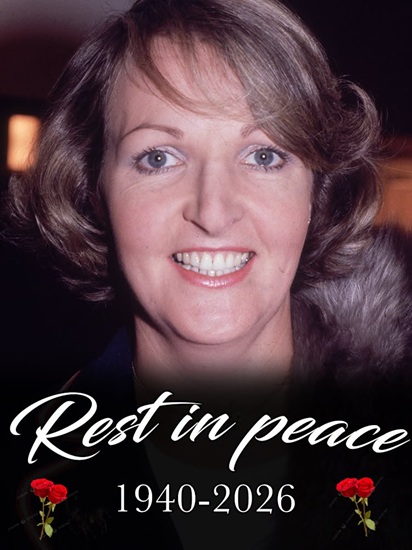
Penelope Keith is widely regarded as one of the most distinguished and enduring figures in British television and theatre. With a career spanning more than six decades, she has become synonymous with classic British comedy, refined stage performance, and intelligent character acting. Her work has left a lasting impact on British cultural history, particularly through her iconic roles in television sitcoms that continue to be enjoyed by audiences today.
Born on April 2, 1940, in Sutton, Surrey, England, Penelope Keith grew up in a time when British theatre and radio were dominant forms of entertainment. From an early age, she showed interest in performance and storytelling. This interest eventually led her to pursue formal training at the Royal Academy of Dramatic Art (RADA), one of the most respected drama schools in the United Kingdom. Her education there provided her with a strong foundation in classical acting techniques and stage discipline.
Before achieving fame on television, Keith built her career through theatre work. Like many British actors of her generation, she spent time in repertory theatre, performing in a wide variety of roles that helped her develop versatility and confidence on stage. These early experiences were essential in shaping her ability to transition between comedy and drama with ease, a skill that would later define her screen presence.

Her major breakthrough came in the 1970s with the BBC sitcom The Good Life. In this series, she played Margo Leadbetter, a character known for her sophistication, social ambition, and comedic contrast to the more self-sufficient lifestyle of her neighbors. The show became a cultural phenomenon in the United Kingdom, and Keith’s performance was widely praised for its timing, elegance, and humor. Margo Leadbetter remains one of the most recognizable characters in British sitcom history.
The success of The Good Life established Keith as a household name. Her ability to portray strong, expressive, and often comedic upper-middle-class characters resonated with audiences and critics alike. The chemistry between the cast members contributed significantly to the show’s popularity, making it one of the most beloved British sitcoms of its era.
Following this success, Keith continued her television career with another highly acclaimed series, To the Manor Born. In this sitcom, she played Audrey fforbes-Hamilton, a character who loses her estate and must adapt to a new life situation. The series became one of the most-watched television programs in the UK during its broadcast period and further solidified Keith’s reputation as a leading comedic actress.
While television brought her widespread recognition, Penelope Keith never abandoned her passion for theatre. She continued to perform on stage throughout her career, including work with prestigious companies such as the Royal Shakespeare Company. Her theatre performances demonstrated her range beyond comedy, showcasing her ability to take on classical and dramatic roles with depth and precision.
Over the years, Keith received multiple awards and honors in recognition of her contributions to acting. She won a BAFTA Television Award and was also recognized for her work in theatre with nominations and critical praise, including an Olivier Award. These achievements reflect her influence across both screen and stage performance.
In 2014, she was appointed Dame Commander of the Order of the British Empire (DBE) for her services to drama and charity. This honor, awarded by the British monarchy, is one of the highest recognitions in the United Kingdom. It acknowledged not only her artistic achievements but also her contributions to public life and charitable causes.
Beyond acting, Keith also became known for her work in television documentaries, particularly those focused on British countryside life, architecture, and heritage. These programs allowed her to share her appreciation for traditional British culture and history, presenting a more personal and reflective side of her personality to audiences.
Throughout her career, she has been admired for her professionalism, clarity of performance, and distinctive voice in British entertainment. Unlike many actors who are defined by a single role, Keith successfully built a diverse portfolio across comedy, drama, theatre, and documentary presenting.
Her most iconic roles continue to be celebrated through reruns and retrospectives of British television history. Younger audiences continue to discover her work, ensuring that her performances remain relevant even decades after their original broadcast. This longevity is a testament to the quality of both her acting and the productions she was part of.
Penelope Keith’s influence extends beyond entertainment. She is often cited as an example of how strong female characters in British sitcoms helped reshape audience expectations during the late 20th century. Her characters were often intelligent, assertive, and socially complex, offering a different representation compared to more traditional comedic stereotypes of the time.
Even as she stepped back from regular acting roles, Keith remained active in public life through occasional appearances and special projects. Her legacy is preserved not only in her filmography but also in the broader evolution of British television comedy.
Today, she is remembered as one of the defining figures of classic British sitcoms. Her work in The Good Life and To the Manor Born continues to be celebrated as part of the golden era of British television comedy. Her contributions to theatre, television, and cultural programming ensure that her influence remains significant within the entertainment industry.
In summary, Penelope Keith’s career represents excellence, consistency, and artistic versatility. From her early theatre work to her iconic television roles and later public honors, she has built a legacy that stands as an important part of British cultural history.
