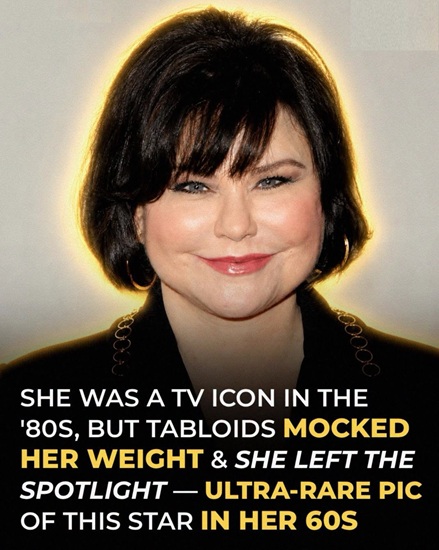
Delta Burke became one of television’s most recognizable stars in the late 1980s through her breakout role as Suzanne Sugarbaker on the hit sitcom Designing Women. Her sharp comedic timing, confident screen presence, and distinctive personality helped the series become a cultural success and made her a household name. At the height of her popularity, she was widely praised for bringing both humor and emotional depth to a character that stood out in ensemble television.
However, behind the success and public recognition, Burke’s experience in Hollywood was far more complicated. Like many actors in the industry, she faced intense public scrutiny, particularly regarding her appearance. As her fame grew, media attention increasingly shifted from her work to her body image, creating pressure that deeply affected her personal well-being.

Over time, Burke has spoken openly about struggling with depression and anxiety during this period of her life. These challenges were not sudden, but rather long-standing issues that became more difficult under the constant attention of fame and tabloid commentary. The emotional strain, combined with the pressures of working in a demanding television environment, created a difficult chapter in her career.
During her time on Designing Women, Burke also experienced significant stress-related health and emotional challenges. Reports and later interviews described periods of withdrawal and difficulty coping, which affected both her personal life and her work environment. Despite these struggles, she continued performing in the series and remained a central figure throughout much of its run.

As media attention intensified, Burke became a frequent target of tabloid criticism, particularly regarding weight fluctuations. This kind of public commentary was common in the entertainment industry during that era, especially for women in television. Burke has reflected on how harmful this attention felt, describing the emotional toll it took on her self-image and mental health.
In response to growing pressures, she eventually sought ways to address both her personal health and the public narrative surrounding her. One of the most notable moments during her career was when her experience with body image was incorporated into a storyline on Designing Women. This episode allowed her character to confront similar issues, turning a real-life struggle into a widely discussed television moment that resonated with audiences.
While professionally significant, the pressures behind the scenes continued, and Burke eventually left the series in the early 1990s. Her departure marked the end of a major chapter in her career and led her to step away from Hollywood for a period of time. She and her husband chose to relocate, seeking a quieter and more stable life outside the entertainment industry.

During this transition, Burke began focusing more on personal growth and new creative directions. She later became involved in fashion-related projects, including work in plus-size clothing design, and also explored writing. These efforts reflected her desire to redefine her identity beyond acting and to engage with topics related to self-acceptance and body positivity.
Her personal life also went through significant changes during this time. Burke has often spoken about the importance of her relationship with actor Gerald McRaney, whom she met in the late 1980s. Their relationship developed gradually while working together, and they were married in 1989. Over the years, McRaney became a consistent source of support in her life.
Throughout Burke’s struggles with public scrutiny, health challenges, and emotional difficulties, McRaney remained a steady presence. She has described their relationship as one built on acceptance and mutual understanding rather than external expectations. His support played an important role during some of the most difficult periods of her life.

Burke has also been open in later years about facing serious personal lows, including moments of deep emotional crisis during her most difficult times in Hollywood. These experiences have been part of her broader story of mental health challenges, recovery, and long-term healing. Over time, she has emphasized the importance of seeking help and finding stability outside of fame.
In addition to emotional struggles, Burke has also dealt with health-related issues, including a diagnosis of Type 2 diabetes later in life. This led her to make significant lifestyle changes, focusing more on long-term health and well-being. These adjustments marked another turning point in her life, helping her regain balance after years of instability.
Despite the hardships she experienced earlier in her career, Burke eventually found a more peaceful phase of life. She stepped back from the constant demands of Hollywood and focused on her personal relationships, health, and creative interests. This shift allowed her to live more privately and with greater emotional stability.
Her marriage to McRaney has remained a central part of her life story. Over the years, the couple has spoken publicly about their strong bond, mutual respect, and shared humor. McRaney has also expressed admiration for Burke in interviews, highlighting the depth of their relationship and the importance of their partnership.
Today, Delta Burke’s story is often viewed as one of resilience and transformation. From early fame and intense public scrutiny to personal struggle and eventual stability, her journey reflects both the challenges of celebrity life and the strength required to move beyond it.
Her experience also highlights broader issues in the entertainment industry, including media pressure, body image criticism, and mental health awareness. Over time, Burke has become associated not only with her iconic television role but also with her openness about the realities behind fame.
Ultimately, her life story is one of endurance, reinvention, and lasting partnership. While her early career was shaped by public attention and pressure, her later years reflect a quieter, more grounded existence built on personal healing and long-term support from those closest to her.
