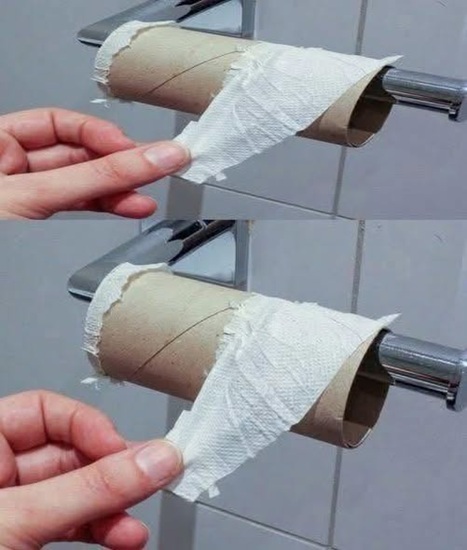
For decades, toilet paper has been considered an essential and unquestioned part of modern hygiene routines in many parts of the world. It is widely available, relatively inexpensive, and deeply integrated into household habits. However, as environmental awareness continues to grow globally, more attention is being paid to the resources involved in producing everyday consumer goods. This has led to a broader discussion about whether long-established hygiene practices are still the most efficient or sustainable options available today.
The production of traditional toilet paper involves a complex industrial process that begins with raw materials, often including wood pulp. Trees must be harvested, processed, and converted into fiber before being transformed into soft paper products. This process requires energy, water, and transportation at multiple stages. While modern manufacturing has become more efficient over time, the overall environmental footprint remains a topic of ongoing discussion among sustainability experts.
One of the key concerns raised in environmental studies is the large-scale consumption of natural resources linked to disposable paper products. Forest management practices in many regions aim to balance production with reforestation, but the demand for paper goods still contributes to land use pressure. In addition, the water and energy required in bleaching, processing, and packaging further add to the environmental cost of production.
At the same time, consumer behavior is gradually shifting as more people become aware of sustainability issues. Many households are beginning to explore alternatives that reduce waste and lower long-term environmental impact. This shift is not necessarily driven by a rejection of comfort or hygiene, but rather by a desire to find practical solutions that align with modern environmental values.
The Rise of Water-Based Hygiene Solutions
One of the most widely discussed alternatives to traditional toilet paper is the use of water-based cleaning systems, commonly known as bidets. These systems have been used for many years in various parts of the world and are now becoming increasingly popular in regions where they were previously uncommon. The basic principle behind these systems is simple: instead of relying primarily on paper, water is used to assist in cleaning.
Modern bidet systems come in a variety of designs, ranging from standalone fixtures to attachments that can be installed on existing toilets. Many of these systems are designed for convenience and ease of use, making them accessible to a wide range of households. In addition, newer models often include adjustable settings for water pressure and temperature, allowing users to customize their experience.
From a sustainability perspective, water-based hygiene systems are often discussed as a way to reduce reliance on disposable paper products. By decreasing the need for toilet paper, households may reduce the volume of paper waste they generate over time. However, it is also important to consider water usage in these systems, as overall environmental impact depends on multiple factors including local water availability and energy sources.
Another important aspect of this shift is cultural adaptation. In regions where bidets are less common, there may be a learning curve as people adjust to new hygiene routines. However, adoption rates have been increasing in many countries as awareness spreads and more affordable options become available in the market.
Hygiene, Comfort, and Practical Considerations
When discussing alternatives to toilet paper, hygiene is often one of the primary concerns. Supporters of water-based systems argue that water cleaning can provide a more thorough cleansing experience compared to dry paper alone. However, both methods are widely used globally, and hygiene outcomes can depend heavily on proper use and personal habits.
Comfort is another factor that influences consumer preference. Some individuals find water-based cleaning more comfortable, while others prefer the simplicity and familiarity of paper products. Because of this, many modern households choose to use a combination of both methods rather than relying exclusively on one approach.
Cost is also an important consideration over the long term. While installing a bidet system may involve an initial investment, users often report reduced ongoing spending on paper products. Over time, this can balance out the initial cost, depending on usage patterns and household size.
In addition, maintenance requirements for modern systems are generally minimal. Most attachments and fixtures are designed for durability and require only basic cleaning and occasional inspection. This practicality has contributed to their growing acceptance in various markets around the world.
Environmental Awareness and Behavioral Change
The broader conversation around toilet paper and alternatives is part of a larger global shift toward environmentally conscious living. Many households are re-evaluating everyday products to determine whether more sustainable options are available. This includes not only hygiene products but also packaging, cleaning supplies, and energy consumption habits.
Behavioral change in sustainability often happens gradually. People tend to adopt new practices when they are easy to implement, affordable, and clearly beneficial in daily life. This is why simple alternatives, such as bidet attachments, have gained attention—they offer a practical way to reduce waste without requiring major lifestyle changes.
At the same time, environmental discussions emphasize that no single solution is perfect. The goal is often to reduce overall impact rather than eliminate it entirely. This means considering all aspects of production, consumption, and disposal when evaluating alternatives.
As awareness continues to grow, manufacturers are also responding by developing more eco-friendly products. This includes improvements in packaging, sourcing, and production efficiency. Innovation in this area is expected to continue as demand for sustainable solutions increases.
The Future of Personal Hygiene Practices
Looking ahead, it is likely that personal hygiene practices will continue to evolve in response to environmental, technological, and cultural changes. Water-based systems, reusable materials, and hybrid approaches may all play a role in shaping future household habits. The direction of this change will depend on accessibility, affordability, and public awareness.
What is clear is that consumers are becoming more informed and more intentional about their choices. Everyday products that were once rarely questioned are now being examined through the lens of sustainability and long-term impact. This shift reflects a broader transformation in how people think about consumption and responsibility.
Ultimately, the discussion around toilet paper is not just about replacing one product with another. It represents a larger movement toward rethinking convenience, waste, and environmental responsibility in daily life. Even small changes, when adopted widely, can contribute to meaningful reductions in resource use over time.
