Modern air travel is built around tightly coordinated systems of security, logistics, and timing, where millions of passengers pass through airports daily under standardized screening procedures designed to ensure aviation safety. Most travelers move through check-in, baggage drop, and security checkpoints without disruption, following a predictable process that ends at the boarding gate. However, some passengers encounter additional screening measures that extend this routine.
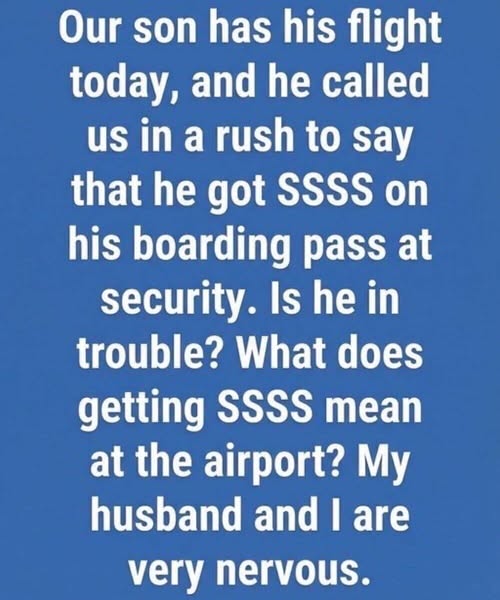
One of these measures is the Secondary Security Screening Selection indicator, commonly abbreviated as SSSS, which may appear on a boarding pass. This designation signals that a passenger has been selected for enhanced security screening before boarding. SSSS is part of broader aviation security protocols administered by agencies such as the Transportation Security Administration in the United States. It is linked to the Secure Flight program, which conducts pre-flight passenger vetting against security databases.
The Secure Flight system is designed to compare passenger information provided by airlines with government watchlists and other security-related data before boarding passes are issued. This process helps identify individuals requiring additional screening. Selection for secondary screening can occur for several reasons, though exact criteria are not fully public. In general, it may be triggered by travel patterns, incomplete information, random selection, or matches within security databases.
For example, certain travel behaviors such as purchasing last-minute tickets, traveling on one-way international routes, or flying through higher-risk regions may increase the likelihood of additional screening flags being applied. It is also important to note that a portion of SSSS selections are random, implemented to maintain unpredictability within security systems. This means even frequent travelers with no known issues may occasionally be selected.
When a passenger is flagged for secondary screening, their boarding process changes significantly compared to standard procedures. They are typically directed aside for additional inspection by Transportation Security Administration officers. This enhanced screening generally includes a more detailed physical inspection, which may involve a thorough pat-down and inspection of personal belongings beyond standard checkpoint procedures.
Carry-on luggage is often manually searched, with officers examining contents carefully to ensure compliance with aviation security regulations. Items may be unpacked and inspected individually when necessary. Electronic devices such as phones, tablets, and laptops may be subject to additional checks. In some cases, passengers are asked to power on devices to confirm functionality and ensure they are not modified in ways that raise security concerns.
Trace detection procedures may also be used, where swabs are taken from luggage, hands, or electronics to test for microscopic residues associated with prohibited substances or materials. The process can take additional time compared to standard screening, often extending a passenger’s airport experience by several minutes or longer depending on the complexity of the inspection.
While procedures are standardized, the experience can feel intrusive or stressful for some travelers, particularly when it occurs in busy airport environments where others are moving freely through security.
Security personnel are trained to remain professional and methodical during secondary screening, focusing on procedure compliance rather than subjective judgment of passengers. It is generally advised that travelers remain calm, cooperative, and patient during the process, as compliance helps ensure the screening is completed efficiently and without further delay.
Repeated selection for secondary screening may occur in some cases, sometimes due to similarities in names, travel records, or data inconsistencies within passenger identification systems. For individuals who experience frequent SSSS designations, government programs such as the Traveler Redress Inquiry Program exist to help review and correct potential errors in screening records.
Through such programs, eligible travelers can apply for a redress number, which is used when booking flights to help reduce the likelihood of repeated secondary screening caused by mistaken identity or data mismatches. Air travel security systems are continuously updated and refined to adapt to emerging risks and improve accuracy in passenger screening. These systems integrate multiple data sources to support aviation safety.
Despite the inconvenience it may cause, secondary screening procedures are part of a broader framework designed to balance efficient travel with security requirements in modern aviation infrastructure.
Experts in transportation security emphasize that most SSSS selections do not imply wrongdoing, but rather reflect automated system flags that require additional verification before boarding clearance. Understanding this process can help travelers reduce anxiety if selected, as the procedure is procedural rather than personal and follows established security guidelines.
Ultimately, secondary screening represents one layer within a multi-tiered aviation security system that includes identity verification, behavioral analysis, and database cross-checking. While it may temporarily disrupt the normal flow of travel, it is intended to ensure that all passengers are properly screened before entering secure areas of airports and boarding aircraft. With awareness and preparation, travelers can navigate secondary screening more confidently, understanding that it is part of a structured system designed to maintain safety across global air travel networks.
