Tattoos have been part of human culture for centuries, carrying meanings that go far beyond simple decoration. For many people, a tattoo is not just ink on skin but a permanent reminder of a memory, a person, a struggle, or a personal victory that shaped their lives forever. Some choose tattoos to express their individuality, while others use them to honor loved ones, preserve emotional moments, or symbolize important beliefs and experiences.
Across different cultures and generations, tattoos have evolved into powerful forms of storytelling, allowing people to carry pieces of their personal history wherever they go. One of the most common reasons people get tattoos is self-expression. In a world where everyone searches for ways to show who they truly are, tattoos often become deeply personal reflections of identity. Some people choose designs connected to their hobbies, passions, or favorite quotes, while others select symbols that represent resilience, hope, love, or freedom.

Unlike temporary trends, tattoos usually carry emotional significance that remains meaningful for years. They become visual reminders of moments that helped shape a person’s character and perspective on life. For many individuals, tattoos also serve as living memorials. Losing someone important can leave an emotional wound that never completely disappears, and tattoos can help keep memories alive in a deeply personal way. Some choose to tattoo a loved one’s handwriting, heartbeat, favorite flower, or meaningful object connected to them.
Others include birthdates, portraits, or symbols tied to shared memories. These tattoos often provide comfort during grief because they create a lasting connection between the person carrying the tattoo and the loved one they lost. One touching example involved a person who tattooed the soundwave of their father’s laugh. Instead of choosing a traditional portrait or quote, they selected something unique that captured the joy and warmth their father brought into their life.

Every time they looked at the tattoo, they were reminded not only of his face but also of the happiness he shared with everyone around him. Stories like these show how tattoos can preserve emotional experiences that words alone sometimes cannot fully express. Family traditions and generational connections also inspire meaningful tattoos. One woman chose a tattoo of ginkgo leaves because they had been her great-grandmother’s favorite plant.
Over time, that love for ginkgo trees became a symbol passed through generations of women in her family, representing strength, endurance, and hope. Another person honored their grandfather through a tattoo featuring sunflowers and a pink flamingo feather because those images reminded them of his unique personality and cheerful spirit. These tattoos transform ordinary symbols into deeply emotional family heirlooms carried on the skin.
Animals and pets often inspire memorial tattoos as well. Many people see pets as members of the family, and losing them can be just as painful as losing a close friend. One individual chose a tattoo showing their beloved cat heading peacefully toward the afterlife, creating a tribute to years of companionship and unconditional love. Another honored a dog named Ghost with a tattoo inspired by fantasy imagery that reflected both the pet’s personality and the owner’s emotional bond with the animal. These tattoos remind people that love and connection extend far beyond human relationships.

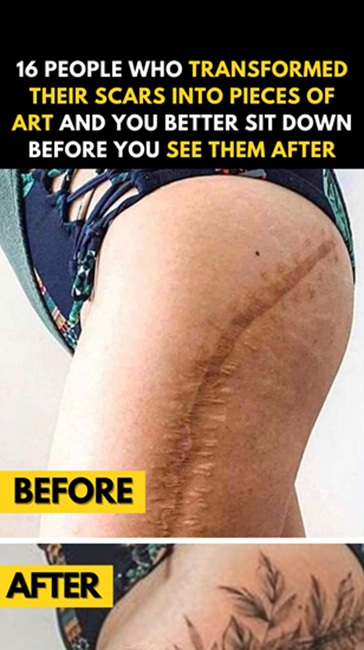
Tattoos are also frequently connected to personal battles and survival. Some people choose tattoos after overcoming illness, addiction, mental health struggles, or traumatic life experiences. One person got a tattoo reading “I can” after surviving thyroid cancer, using the phrase as a reminder of their inner strength during difficult times. Another individual chose a tattoo symbolizing recovery after suffering a broken back, marking not only physical healing but also emotional resilience. These tattoos become symbols of perseverance and proof that even painful chapters can eventually lead to growth and recovery.
Mental health awareness tattoos have become increasingly meaningful in recent years. One of the most recognized symbols is the semicolon tattoo, which represents a sentence an author could have ended but chose to continue. For many people, it symbolizes survival through depression, anxiety, suicidal thoughts, or emotional hardship. One family shared that they got matching semicolon tattoos after helping their oldest child through a very difficult period in life. The tattoo became a symbol of hope, survival, and the importance of continuing forward even during the darkest moments.

Some tattoos carry meaning that outsiders may not immediately understand. One woman shared that she received a memorial tattoo for a lost baby, but employees at a tattoo shop laughed at the simple design because they did not know its emotional significance. Her experience highlights an important truth about tattoos: meaning is often invisible to strangers. What may appear ordinary or minimal to one person can represent deep grief, healing, or love to another. This is one reason why tattoos should never be judged solely by appearance.
Cultural and spiritual traditions also play an important role in tattoo history. In many societies, tattoos symbolize belonging, rites of passage, protection, spirituality, or ancestry. Indigenous communities around the world have used tattoos for centuries to represent social identity, courage, or sacred beliefs. While modern tattoo culture has expanded into fashion and artistic expression, these historical roots remain important reminders that tattoos have long carried emotional and cultural significance far beyond trends or aesthetics.
In addition to emotional meaning, tattoos are often viewed as a form of artistic freedom. Skilled tattoo artists can transform deeply personal stories into detailed visual designs that remain permanently connected to the wearer. Some tattoos feature realistic portraits, while others use abstract symbols, watercolor effects, geometric patterns, or handwritten messages. Every tattoo becomes a collaboration between personal emotion and artistic creativity. This combination of storytelling and visual art is one reason tattoos continue growing in popularity around the world.

At the same time, tattoos are not always universally accepted. Some people still associate tattoos with rebellion or nonconformity, while others see them as unprofessional or unnecessary. However, modern attitudes have changed significantly over the last few decades. Today, tattoos are common among people from nearly every profession, background, and age group. Doctors, teachers, athletes, musicians, parents, and business professionals all choose tattoos for personal reasons that often have nothing to do with rebellion and everything to do with identity and emotional connection.
Social media has also played a major role in changing how tattoos are viewed. Platforms filled with tattoo stories and images have helped people understand the emotional depth behind many designs. Instead of seeing tattoos simply as decoration, audiences increasingly recognize them as personal narratives connected to grief, healing, love, family, survival, and memory. Viral stories about memorial tattoos, recovery tattoos, and family tributes often resonate deeply because they reveal universal human emotions that many people can relate to.
Ultimately, tattoos represent something deeply human: the desire to remember, express, and preserve important moments in life. Whether honoring a parent, remembering a child, celebrating survival, or carrying a symbol of hope, tattoos often become permanent reminders of experiences that shaped a person forever. While designs may differ from person to person, the emotional purpose behind them is often rooted in love, resilience, identity, and memory. For many individuals, tattoos are not just art—they are pieces of their life story written permanently onto their skin.
