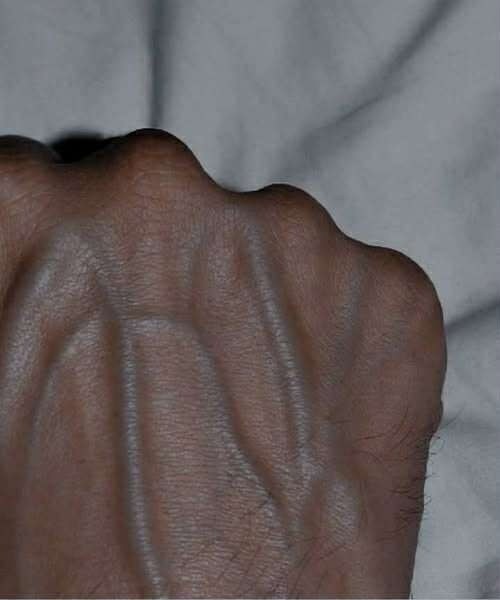
The appearance of visible veins beneath the skin often goes unnoticed for years until one day they suddenly seem more prominent in a mirror. Many people experience a brief moment of concern when they first observe these blue or green lines becoming more noticeable across their hands, arms, or legs. This reaction is natural because visible changes in the body can easily trigger worry about underlying health issues or circulation problems. In most cases, however, visible veins are a completely normal part of human anatomy and do not indicate disease or malfunction.
Veins are responsible for returning deoxygenated blood back to the heart, and their visibility can vary widely depending on genetics, skin tone, body composition, and daily physical activity levels. One of the most common reasons veins become more visible is increased physical fitness. Regular exercise, especially strength training, can reduce body fat while increasing muscle size. As muscles grow and fat layers decrease, veins naturally become closer to the surface of the skin and appear more defined.
During exercise, the cardiovascular system also works more intensely to deliver oxygen-rich blood to active muscles. This increased blood flow causes temporary expansion of blood vessels, a normal process that can make veins appear more pronounced both during and after physical activity. Another important factor influencing vein visibility is body fat percentage. Individuals with lower subcutaneous fat naturally have less tissue covering their veins, which makes the vascular network easier to see. This is not a sign of illness but rather a structural difference in body composition.
Temperature also plays a significant role in how visible veins appear. In warm environments or after hot showers, blood vessels expand through a process called vasodilation. This helps the body regulate temperature, but it also causes veins to temporarily become more noticeable under the skin. Aging is another natural factor that contributes to visible veins. As people grow older, the skin gradually loses collagen and elasticity, becoming thinner over time. This natural thinning process makes underlying veins more apparent even without any changes in health or activity levels.
Despite these common and harmless causes, there are situations where visible veins may indicate an underlying medical concern. It is important to understand the difference between normal anatomical variation and symptoms that could suggest circulatory issues requiring professional evaluation. One warning sign is persistent pain, tenderness, or discomfort along the path of a visible vein. While normal veins do not typically cause pain, inflammation or blockage can lead to aching sensations, throbbing, or localized sensitivity that should not be ignored.
Swelling in the legs, ankles, or feet, especially when combined with prominent veins, may also indicate circulatory strain. This can occur when valves inside the veins are not functioning efficiently, allowing blood to pool in the lower extremities instead of returning smoothly to the heart. This condition is often associated with chronic venous insufficiency, a circulatory issue where weakened vein valves reduce blood flow efficiency. Over time, this can lead to discomfort, heaviness in the legs, and in more advanced cases, skin changes or long-term complications.
Changes in skin appearance around visible veins should also be monitored carefully. Skin that becomes discolored, hardened, inflamed, or unusually warm may suggest that blood flow is impaired or that there is irritation within the vascular system that requires medical attention. In some cases, circulatory problems can also affect temperature regulation in the extremities. Cold hands or feet, numbness, or delayed healing of small cuts may indicate reduced blood flow, which can be associated with arterial conditions requiring professional diagnosis.
Although these symptoms can sound alarming, it is important to remember that many people with visible veins remain in excellent health. The presence of veins alone is not a reliable indicator of disease, and context is always essential when evaluating symptoms. Medical professionals often use physical examinations and imaging techniques such as ultrasound to assess vein health when necessary. These tools allow doctors to evaluate blood flow, detect abnormalities, and determine whether any treatment or lifestyle changes are needed.
In many situations, reassurance from a healthcare provider is enough to relieve concern. People who worry about visible veins often discover that their circulation is functioning normally and that their concerns were based on natural variations in anatomy rather than illness. When treatment is required, it is usually conservative and non-invasive in the early stages. Lifestyle adjustments such as regular movement, hydration, leg elevation, and compression garments can significantly improve circulation and reduce discomfort in mild cases.
Maintaining a healthy lifestyle also supports overall vascular function. Regular exercise, balanced nutrition, avoiding prolonged inactivity, and managing body weight all contribute to better circulation and can help prevent certain vein-related issues from developing or worsening.
It is also important to understand that the human body constantly adapts to internal and external conditions. Vein visibility can change from day to day depending on hydration levels, temperature, activity, and even stress, making it a dynamic and variable feature. While it is natural to notice and sometimes worry about changes in the body, focusing on the full range of symptoms provides a more accurate understanding of health. A single visible change rarely tells the complete medical picture without additional context.
The most important approach is balanced awareness rather than fear. Observing your body is healthy, but overinterpreting normal variations can lead to unnecessary anxiety. Understanding what is typical helps distinguish harmless changes from meaningful warning signs.
Ultimately, visible veins are usually a reflection of normal physiology rather than a problem. They represent the complex vascular system working continuously to support life, delivering blood efficiently through thousands of vessels beneath the skin every moment.
By staying informed and paying attention to broader symptoms such as pain, swelling, or skin changes, individuals can better understand when to simply observe and when to seek medical guidance. Awareness, not panic, is the key to maintaining vascular health. Your body provides constant signals about its condition, and veins are only one part of that communication system. Interpreting these signals calmly and accurately allows for better health decisions and a more confident understanding of natural bodily variation.
