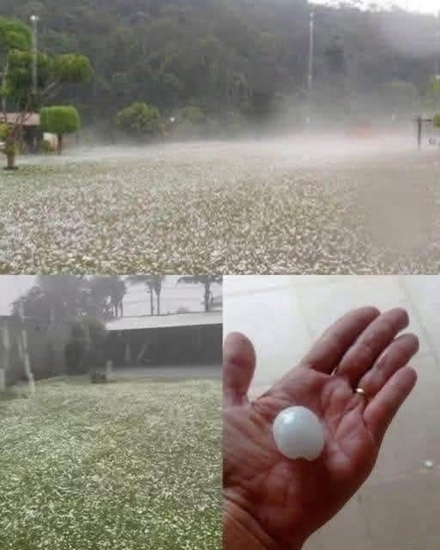
A powerful hailstorm that struck on a Tuesday evening left many residents assessing the aftermath of significant damage across affected areas. The storm brought large hailstones that impacted vehicles, homes, outdoor spaces, and public infrastructure. As the weather system moved through, it quickly became clear that the intensity of the storm had caused both visible and structural damage in several locations. Once the storm passed, residents stepped outside to inspect their surroundings.
Many reported unusual conditions for the season, with streets, driveways, and lawns covered in layers of accumulated hail. The sudden transformation of the environment highlighted how quickly severe weather can alter everyday surroundings and create hazardous conditions within minutes. For many people, the evening shifted rapidly from a normal day into a situation focused on safety and shelter.
Large hail events often develop during strong thunderstorm systems, and they can cause significant damage in a very short period of time. Residents described seeking shelter indoors, staying away from windows, and waiting for the storm to subside before checking on property and neighbors.
Immediate Impact and Local Conditions After the Storm
In the aftermath of the hailstorm, visible damage was reported in multiple areas. Vehicles left outdoors showed signs of impact, including dented surfaces and broken glass. Outdoor structures such as roofs, gardens, and fences also experienced varying levels of damage depending on the severity of exposure.
Lawns and open spaces were covered with hail accumulation, creating slippery and sometimes hazardous walking conditions. In some neighborhoods, fallen branches and scattered debris added to the challenges faced by residents as they began to assess the situation.
Emergency services and local authorities monitored conditions closely during and after the storm. Their focus was on identifying hazardous areas, ensuring public safety, and responding to any urgent calls for assistance. While property damage was noticeable in some regions, there were reports that the storm did not lead to widespread serious injuries, which brought some relief to affected communities.
Community Response and Early Recovery Efforts
Following severe weather events, community response often plays an important role in the early stages of recovery. After the hailstorm, residents began checking on neighbors, sharing updates, and offering assistance where needed. These informal support networks often become essential during the first hours after a storm.
Emergency crews worked to evaluate affected areas, clear potential hazards, and assist individuals who required help. In many cases, local response teams prioritize restoring safety by addressing blocked roads, downed branches, and other immediate risks caused by the storm.
Such events often highlight the importance of cooperation within communities. Even in the face of property damage and disruption, shared efforts between residents and emergency personnel help stabilize the situation and support the recovery process.
Safety Concerns and Post-Storm Precautions
After a hailstorm, experts and local officials typically advise residents to exercise caution when inspecting damage. Hidden hazards may still exist even after the storm has passed, making careful observation essential.
Common risks include broken glass scattered on the ground, weakened tree branches that may fall unexpectedly, and possible downed power lines that can pose electrical dangers. In some cases, standing water may also create additional safety concerns depending on drainage conditions and terrain.
Homeowners are generally encouraged to document visible damage carefully, including taking photographs of affected areas such as vehicles, roofs, windows, and outdoor property. This documentation can be important when contacting insurance providers and beginning the repair process in the days following the storm.
Wider Effects of Hailstorms on Communities
While hailstorms are sometimes less publicized than hurricanes, floods, or tornadoes, they can still cause significant disruption and financial impact. Damage to vehicles, roofing materials, windows, and outdoor property can require extensive repairs, often stretching over weeks or even months.
For some households, the recovery process involves both financial and logistical challenges, particularly when multiple areas of property are affected at the same time. Insurance claims, repair scheduling, and cleanup efforts often become priorities in the aftermath.
Despite these challenges, recovery typically progresses gradually. The first focus is always on ensuring safety, followed by addressing urgent repairs and supporting those most affected by the storm’s impact.
The Importance of Preparedness and Awareness
Severe weather events such as hailstorms serve as a reminder of how quickly environmental conditions can change. Even on days that begin normally, weather systems can develop rapidly and bring unexpected hazards.
Because of this, many communities emphasize the importance of weather awareness and preparedness. Monitoring weather alerts, having safe shelter options, and understanding basic emergency procedures can help reduce risks during sudden storms.
Preparedness does not prevent storms from occurring, but it can significantly reduce the impact on individuals and families. Awareness and timely response often make a meaningful difference in ensuring personal safety during severe weather conditions.
Community Resilience After Severe Weather Events
In the aftermath of storms, communities often demonstrate resilience and cooperation. Neighbors assisting neighbors, emergency responders providing support, and families beginning cleanup efforts all contribute to the recovery process.
Although the full extent of damage may take time to assess, the immediate focus remains on safety and restoration. Emotional recovery is also part of the process, as residents adjust to unexpected disruptions and begin rebuilding damaged areas.
Events like hailstorms highlight both the vulnerability of infrastructure to natural forces and the strength of community response in difficult moments. While material damage can be significant, collective efforts often help communities move forward steadily.
Recovery and Moving Forward
The hailstorm left behind visible damage and disruption, but also demonstrated the importance of preparedness and community support. As residents continue assessing property and beginning repairs, the focus remains on safety, recovery, and gradual restoration of normal life.
Although weather events like this can create challenges, they also reinforce the value of cooperation and resilience. With time, repair efforts and community support help restore affected areas, allowing residents to move forward after a difficult and unexpected weather event.
