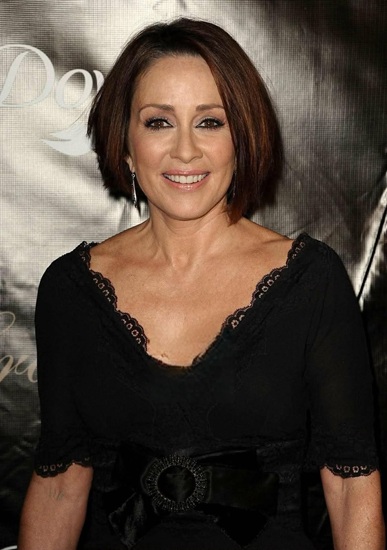
In today’s digital media environment, public figures are often at the center of rapidly evolving online conversations that can shift from admiration to controversy within hours. Actress Patricia Heaton, widely recognized for her long television career, is frequently discussed in broader cultural debates about fame, aging, and public perception. Heaton became a household name through her roles in successful American television sitcoms, where she portrayed relatable, grounded, and humorous maternal characters.
These performances helped shape her public identity as a familiar and comforting presence in mainstream entertainment. Over time, audiences formed a strong emotional connection with these characters, often blending the fictional roles with the real-life persona of the actress. This phenomenon is common in television culture, where long-running roles create a sense of familiarity and attachment.
In the modern digital era, however, celebrity identity is no longer fixed by television roles alone. Social media, online commentary, and rapid content sharing allow public perception to evolve quickly and sometimes unpredictably.
Discussions surrounding actresses like Patricia Heaton often extend beyond their on-screen work, focusing instead on broader themes such as aging in Hollywood, representation of women, and changing cultural expectations of celebrity behavior. One of the most persistent themes in these discussions is how audiences respond when well-known actresses transition away from their most iconic roles. This shift often leads to contrasting reactions, ranging from appreciation of artistic freedom to discomfort with change.
Cultural analysis shows that viewers sometimes subconsciously associate actors with their most famous characters, creating expectations that persist even decades after a show has ended.
This can lead to a phenomenon where audiences expect consistency in public image, even though actors themselves continue to evolve personally and professionally throughout their lives. In the entertainment industry, aging is often discussed differently for men and women. Male actors are frequently praised for maintaining relevance, while female actors face more pressure to conform to narrow expectations of appearance and public behavior.
This imbalance has been widely analyzed in media studies, where researchers point out that women in Hollywood often experience reduced visibility as they age unless they fit specific narrative roles. Television history provides many examples of actresses who transition from leading roles to supporting characters as they grow older, reflecting broader industry trends rather than individual capability or talent.
Patricia Heaton’s career is often referenced in discussions about this transition, as she successfully maintained a long presence in television across multiple decades. Her roles often emphasized humor, family dynamics, and everyday life situations, contributing to her reputation as a relatable figure in American sitcom culture.
As media consumption shifted from traditional television to streaming platforms and online commentary, public discussion around celebrities became more immediate and widespread. This shift has intensified how quickly narratives about public figures can develop, often without full context or verification. In many cases, online discussions about celebrities are shaped more by interpretation and commentary than by confirmed events or statements from the individuals themselves.
This broader media environment has led to increased scrutiny of how women in entertainment are portrayed, particularly regarding themes of age, image, and personal autonomy. Cultural critics often highlight that female celebrities face a unique challenge in balancing public expectations with personal expression in a highly visible digital landscape. When actresses who are strongly associated with traditional or family-oriented roles appear in any context that differs from audience expectations, reactions can become highly polarized.
Some viewers interpret change as a natural part of personal evolution, while others feel a sense of disconnection based on long-standing emotional associations with earlier roles. This dynamic reflects a broader psychological concept known as “parasocial relationships,” where audiences develop one-sided emotional bonds with media figures. These relationships can influence how strongly people react to perceived changes in a celebrity’s public image, even when those changes are part of normal personal development.
In the case of Patricia Heaton and similar public figures, discussions often expand beyond the individual and become part of larger conversations about women’s roles in entertainment. These conversations frequently address how society defines appropriateness, professionalism, and visibility for women at different stages of life. A recurring theme in media studies is the idea that women are often expected to maintain a consistent public image, even as cultural standards evolve around them.
This expectation can create tension between personal freedom and audience perception, especially in an era where public figures can share their own narratives directly through digital platforms. The rise of social media has significantly changed how celebrities interact with audiences, allowing for more direct communication but also increasing exposure to immediate public judgment. This environment often leads to rapid cycles of attention, where discussions about a public figure can trend widely before facts are fully established or contextualized.
In this context, it is important to distinguish between verified reporting and online speculation, particularly when discussing sensitive or emotionally charged topics involving public individuals. Media literacy plays a crucial role in helping audiences understand the difference between factual information, interpretation, and viral commentary. The conversation around Patricia Heaton, therefore, is less about a single event and more about how modern audiences engage with long-standing cultural figures.
It reflects ongoing societal discussions about aging, representation, and the expectations placed on women in the entertainment industry. These discussions are not new, but they have become more visible and more complex in the digital age, where public opinion is constantly being shared and reshaped. Ultimately, the broader issue is how society balances respect for personal autonomy with the emotional connections audiences form with public figures over time.
Actresses who have built long careers in television often become symbols of familiarity, which can make any perceived change in image or role feel significant to audiences. However, it is essential to recognize that these individuals are independent professionals whose careers evolve naturally over time, just like in any other field. The ongoing dialogue surrounding celebrity culture highlights the need for more nuanced understanding of fame, identity, and public perception in a connected world.
As media continues to evolve, so too will the relationship between audiences and the figures they follow on screen, reflecting broader changes in communication and culture. In the end, Patricia Heaton’s public image—like that of many long-standing television actors—serves as a case study in how entertainment, memory, and modern media intersect. It demonstrates that celebrity identity is not static, but continuously shaped by roles, audience perception, and the shifting landscape of digital culture.
