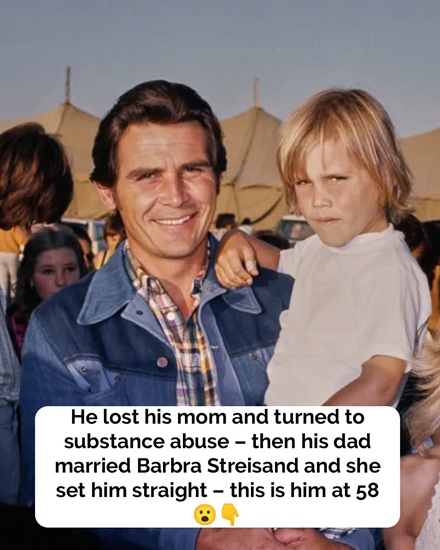
Josh Brolin has spent decades building a successful career in Hollywood, earning recognition for performances in films such as No Country for Old Men, Milk, Sicario, Dune, Avengers: Infinity War, and Avengers: Endgame. To millions of moviegoers, he is known as one of the industry’s most versatile actors. Yet behind the awards, blockbuster films, and international recognition lies a personal story shaped by family challenges, difficult life experiences, and years of personal growth.
In his memoir, From Under the Truck, Brolin offers readers a deeply personal account of the events that influenced both his career and his outlook on life. Rather than presenting only the highlights of his professional success, Brolin uses the memoir to explore the realities of growing up in an unconventional environment. He writes candidly about childhood memories that left lasting impressions, describing a home life that could be unpredictable and, at times, emotionally difficult.
-Through these reflections, he invites readers to understand that even people who later achieve remarkable success often carry experiences that continue shaping them throughout adulthood. One of the most widely discussed parts of the memoir involves Brolin’s recollections of his mother, Jane Cameron Agee, a wildlife conservationist whose personality left a lasting influence on her family.
According to Brolin’s account, she sometimes interacted with the natural environment in unusual ways that reflected her adventurous spirit. He recalls moments involving wild animals that, from a child’s perspective, felt both exciting and intimidating. These memories are presented as part of his personal experience and illustrate the complex nature of his relationship with his mother…

Although some of those childhood stories may sound unsettling when viewed through today’s standards, Brolin has explained in interviews that his memories are more emotionally complicated than they might initially appear. He has spoken about loving his mother deeply despite acknowledging that aspects of his upbringing were challenging. Like many families, his relationship with his parents included moments of affection, confusion, admiration, and difficulty that cannot easily be reduced to simple descriptions.
Brolin’s mother died in a car accident in 1995 at the age of fifty-five, a tragedy that profoundly affected him. In later interviews, he reflected on how that loss influenced his understanding of life and mortality. During periods when he struggled with alcohol addiction, he admitted that he once believed fifty-five represented a relatively long life. Looking back years later, however, he said his perspective had changed completely. Reaching an age older than his mother was when she died gave him a deeper appreciation for the value of time and the importance of making healthier choices…
-Another important influence in Brolin’s life has been his father, actor James Brolin, and his stepmother, legendary entertainer Barbra Streisand. Over the years, Brolin has occasionally shared stories illustrating Streisand’s direct communication style. Rather than avoiding difficult conversations, she often encouraged honesty, even when the topics were uncomfortable. Brolin has described those moments with appreciation, recognizing that sincere concern sometimes requires straightforward advice rather than easy reassurance.
Throughout his memoir, Brolin also discusses his long struggle with substance abuse. He writes openly about experimenting with drugs and alcohol at a young age and explains how those early choices gradually developed into a more serious addiction. By sharing these experiences, he hopes readers understand that recovery often begins with acknowledging difficult truths rather than pretending problems do not exist. His willingness to discuss these subjects openly has been praised by many readers who value honest conversations about addiction and recovery.
The actor has repeatedly emphasized that addiction affected many areas of his life before he eventually committed himself to sobriety. Recovery, he explains, was not achieved through a single decision but through continuous effort, personal accountability, and support from people who genuinely wanted him to succeed. Like many individuals who have shared similar experiences, Brolin describes sobriety as an ongoing commitment rather than a destination reached once and permanently completed.
In interviews promoting his memoir, Brolin has explained that writing the book required him to revisit memories that were sometimes painful but ultimately meaningful. He wanted readers to see not only the public figure known through films but also the person shaped by family relationships, mistakes, personal struggles, and gradual emotional growth. By presenting those experiences honestly, he hopes others facing their own challenges may recognize that meaningful change remains possible regardless of past difficulties.
Mental health professionals frequently note that personal memoirs can help reduce stigma surrounding addiction by encouraging honest conversations about recovery. While every person’s journey is different, stories of resilience often remind readers that setbacks do not necessarily determine the future. Support, treatment, personal responsibility, and perseverance all play important roles in helping individuals rebuild their lives after addiction or other significant challenges.
Today, Brolin continues balancing a successful acting career with family life while speaking openly about the lessons he has learned through decades of personal growth. His memoir ultimately focuses not only on hardship but also on resilience, accountability, forgiveness, and the possibility of positive change. Rather than defining himself solely by past mistakes, he encourages readers to recognize that growth often comes from facing difficult experiences honestly and using them as opportunities to build a healthier future.
As readers continued exploring From Under the Truck, many noted that one of the memoir’s strongest themes is not fame but personal accountability. Rather than presenting himself as someone who always made the right decisions, Josh Brolin openly acknowledges periods of his life marked by poor choices, uncertainty, and addiction. He explains that looking honestly at those experiences became an important step in understanding how they shaped both his personal life and his career. His willingness to discuss difficult chapters has encouraged broader conversations about resilience, recovery, and the possibility of positive change.
One of the most significant turning points Brolin has described was recognizing that continuing the same lifestyle would prevent him from becoming the person he wanted to be. In interviews, he has spoken about how addiction gradually affected his relationships, decision-making, and overall well-being. Although he had experienced success professionally, he realized that external achievements alone could not compensate for struggles taking place in his personal life. That realization became an important motivation to pursue lasting change.
Recovery, Brolin has explained, required patience rather than instant transformation. Like many people who have overcome addiction, he describes sobriety as an ongoing commitment supported by consistent daily choices. Instead of viewing recovery as a single event, he emphasizes that maintaining a healthy lifestyle involves continued self-awareness, responsibility, and a willingness to learn from past mistakes. Those lessons, he says, have influenced every aspect of his life, from family relationships to professional responsibilities.
Brolin has also reflected on how becoming older changed his perspective. Reaching an age beyond the one at which his mother passed away prompted him to think differently about time, health, and personal priorities. What once seemed distant or abstract became much more meaningful. He has said that growing older allowed him to appreciate everyday moments, value family more deeply, and recognize that success is measured not only by professional accomplishments but also by personal growth and emotional stability.
His relationship with family members has likewise evolved over the years. Brolin has spoken respectfully about his father, actor James Brolin, while also acknowledging the influence of his stepmother, Barbra Streisand. According to his public interviews, both relationships contributed different perspectives that helped him mature over time. Honest conversations, even when uncomfortable, encouraged reflection and reinforced the importance of accountability. Looking back, he has expressed gratitude for people who challenged him to make healthier decisions instead of simply telling him what he wanted to hear.
Readers have responded positively to the memoir because it focuses on authenticity rather than perfection. Instead of portraying life as a continuous series of successes, Brolin presents a balanced account that includes setbacks, difficult memories, professional achievements, and lessons learned through experience. Many reviewers have noted that this honesty makes the memoir relatable, particularly for individuals who have faced personal obstacles or periods of uncertainty in their own lives.
Mental health specialists frequently point out that personal stories of recovery can help reduce stigma surrounding addiction. While every individual’s circumstances are unique, accounts that emphasize treatment, accountability, and perseverance may encourage others to seek appropriate support when facing similar challenges. Experts also remind readers that recovery is highly personal and often involves professional guidance, family support, and long-term commitment rather than quick solutions.
The memoir also highlights the importance of resilience. Throughout his career, Brolin has portrayed characters facing extraordinary circumstances, yet his own life demonstrates that resilience often develops through ordinary decisions made consistently over time. Choosing healthier habits, rebuilding trust, accepting responsibility, and continuing to grow despite previous mistakes are themes that appear repeatedly throughout his reflections. These lessons extend beyond the entertainment industry and resonate with readers from many different backgrounds.
As an actor, Brolin continues to balance demanding film projects with family life while remaining open about the experiences that shaped him. His career has earned critical acclaim, but his memoir demonstrates that personal development often occurs away from cameras and public attention. By discussing both successes and failures, he offers a more complete picture of the challenges many people encounter while working toward lasting change.
Critics and readers alike have observed that From Under the Truck is ultimately less about Hollywood than about perseverance. It explores how childhood experiences, personal choices, family relationships, and difficult life lessons can influence someone’s path without permanently determining their future. Brolin’s reflections encourage readers to recognize that while no one can change the past, everyone has the opportunity to make different decisions moving forward.
Ultimately, Josh Brolin’s story is one of growth rather than perfection. His memoir illustrates that meaningful change often requires honesty, patience, and the courage to confront difficult memories instead of avoiding them. By sharing his experiences publicly, he contributes to broader conversations about recovery, resilience, family, and personal responsibility. His journey serves as a reminder that setbacks do not have to define a person’s future, and that lasting success is often measured not only by professional achievements but also by the strength to learn, rebuild, and continue moving forward with integrity.
