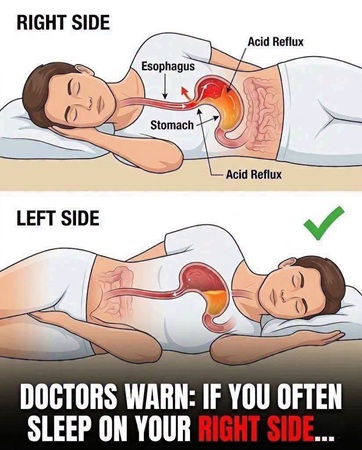
Many people assume that occasional heartburn is simply the result of eating the wrong foods, such as spicy meals, pizza, chocolate, or alcohol. While diet can certainly contribute, the underlying issue is often more complex. What many individuals experience at night is commonly linked to acid reflux, a condition where stomach acid flows backward into the esophagus. This can become more noticeable when lying down because gravity no longer helps keep stomach contents in place.
During the day, the upright position of the human body naturally assists digestion. Gravity helps keep stomach acid and food within the stomach, reducing the chance of reflux. However, once a person lies down, this natural advantage is reduced. In people who are prone to reflux, this change in position can make symptoms more noticeable, especially after large or late meals.
How Body Position Influences Acid Reflux at Night
Body positioning plays a significant role in how acid reflux behaves during sleep. When lying flat, the contents of the stomach are closer to the lower esophageal sphincter, the muscle that normally prevents acid from moving upward. If this muscle is weakened or relaxed, acid can more easily move into the esophagus, leading to discomfort or a burning sensation in the chest.
Research and clinical observations suggest that sleeping on the left side may help reduce reflux symptoms for some individuals. This is because the stomach’s natural shape and position can make it harder for acid to flow upward when lying on the left side. On the right side, however, the stomach may sit in a way that allows contents to move more easily toward the esophagus in certain individuals, potentially increasing discomfort.
It is important to note that responses vary from person to person. Not everyone experiences the same level of relief or discomfort depending on sleeping position, but many healthcare professionals acknowledge that left-side sleeping can be beneficial for people with reflux symptoms.
The Role of Eating Habits and Timing
One of the most important factors influencing nighttime acid reflux is not only what a person eats, but also when they eat. Large meals consumed shortly before lying down can increase pressure in the stomach, making reflux more likely. This is why many health guidelines recommend allowing several hours between the last meal of the day and bedtime.
Eating late at night can also slow digestion, especially if the meal is high in fat or large in volume. When digestion is still active as a person lies down, the likelihood of acid movement into the esophagus may increase. Spacing meals earlier in the evening can help reduce this risk and support more comfortable sleep.
In addition to timing, certain foods and drinks are commonly associated with increased reflux symptoms in sensitive individuals. These may include caffeine, alcohol, fatty foods, chocolate, and highly acidic or spicy meals. However, triggers can vary widely from person to person, making it useful to observe individual patterns rather than relying solely on general lists.
Why Nighttime Symptoms Often Feel Worse
Acid reflux symptoms often feel more intense at night for several reasons. One key factor is the lack of movement during sleep, which reduces swallowing and saliva production. Saliva plays a natural role in neutralizing acid in the esophagus, so reduced swallowing during sleep can make symptoms more noticeable.
Another factor is the horizontal position of the body, which allows stomach contents to remain closer to the esophagus for longer periods. Combined with slower digestive activity during sleep, this can create conditions where reflux episodes are more likely to be felt.
Some individuals may also wake up due to coughing, throat irritation, or a sour taste in the mouth. These symptoms are commonly associated with nighttime reflux and can interfere with sleep quality if they occur frequently.
Practical Approaches That May Help Reduce Discomfort
There are several lifestyle adjustments that may help reduce nighttime acid reflux symptoms. One commonly recommended approach is adjusting sleeping position, particularly experimenting with left-side sleeping. Elevating the upper body slightly during sleep can also help reduce the likelihood of acid moving upward.
Meal timing is another important factor. Avoiding heavy meals close to bedtime and allowing a few hours between eating and sleeping can give the stomach enough time to empty partially before lying down. This may reduce pressure and discomfort during the night.
Identifying personal dietary triggers can also be useful. Keeping track of foods that seem to worsen symptoms allows individuals to make more informed choices. Since triggers vary from person to person, personalized observation is often more effective than general assumptions.
When Symptoms Should Be Taken Seriously
Occasional heartburn is relatively common, but frequent or persistent symptoms may indicate a condition such as gastroesophageal reflux disease (GERD). In such cases, symptoms may occur several times per week and may interfere with sleep or daily comfort.
If symptoms are ongoing, worsening, or affecting quality of life, it is important to consult a healthcare professional. Medical evaluation can help determine whether lifestyle changes alone are sufficient or whether additional treatment is needed.
Ignoring persistent reflux symptoms is not recommended, as long-term exposure of the esophagus to stomach acid can lead to irritation or other complications over time. Professional guidance ensures that symptoms are properly assessed and managed.
Final Thoughts on Sleep and Digestive Health
Sleep is essential for overall health, and discomfort during the night can significantly affect well-being. Understanding how body position, meal timing, and individual habits influence acid reflux can help people make more informed choices about their nighttime routine.
While simple adjustments such as sleeping position or eating earlier may provide relief for some individuals, others may require additional support. Paying attention to recurring symptoms and responding early is key to maintaining both digestive comfort and sleep quality.
Ultimately, nighttime acid reflux is not just about food—it is a combination of physiology, habits, and lifestyle factors. Recognizing these connections can help individuals take more control over their comfort and improve the quality of their rest.
