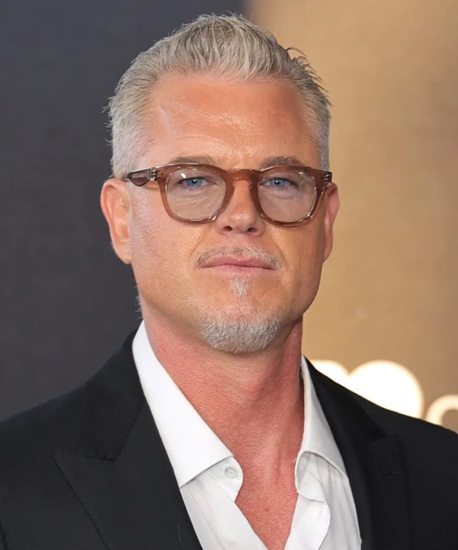
Eric Dane, best known for his roles in Grey’s Anatomy and Euphoria, was remembered in a wave of public tributes following confirmation of his passing after a battle with amyotrophic lateral sclerosis (ALS). According to a statement from his family, he faced the illness with courage and remained focused on his loved ones throughout the progression of the disease. They emphasized that he spent his final days surrounded by his wife, Rebecca Gayheart, and their two daughters, Billie and Georgia, who remained central to his life until the end.
ALS, also known as Lou Gehrig’s disease, is a progressive neurodegenerative condition that affects nerve cells in the brain and spinal cord. Over time, it leads to the loss of muscle control, impacting movement, speech, and eventually essential bodily functions. In Dane’s case, he publicly acknowledged his diagnosis earlier in the year and later spoke in interviews about how rapidly the illness was progressing. He described the emotional weight of the diagnosis and the physical changes he began experiencing.

In earlier conversations, Dane revealed that he had already begun losing strength in his right arm and was confronting the reality of further physical decline. He spoke candidly about the difficulty of adapting to the condition, noting that it affected not only his physical independence but also his daily routine and sense of normalcy. By later stages of the illness, reports indicated that he had begun using a wheelchair as mobility became increasingly limited.
Born in San Francisco in 1972, Eric Dane grew up with an early interest in sports before transitioning toward acting during his teenage years. After graduating, he moved to Los Angeles with limited financial resources, determined to pursue a career in the entertainment industry. His early years in Hollywood included small television roles that gradually built his experience and visibility within the industry.

His breakthrough came in 2005 when he joined the cast of Grey’s Anatomy, where he portrayed Dr. Mark Sloan. The role quickly became one of the show’s most popular characters, earning him widespread recognition and a strong fan following. His performance contributed significantly to the show’s cultural impact during its peak years, and his character remained one of the most memorable in the series.
Dane eventually departed Grey’s Anatomy, a decision that was later attributed to a combination of production changes and personal challenges. During that period, he was also open about struggling with addiction issues, which he has since discussed in interviews as part of his broader personal journey. Despite these difficulties, he continued working in television and film, maintaining a steady presence in the industry.

In later years, Dane experienced a career resurgence with his role as Cal Jacobs in HBO’s Euphoria. His portrayal of a complex and troubled father figure received critical attention and introduced him to a new generation of viewers. The role demonstrated his ability to take on darker, more layered characters, expanding his acting range beyond his earlier television fame.
In addition to television work, Dane appeared in several films, including Marley & Me, Valentine’s Day, and Bad Boys: Ride or Die. These roles reflected his continued involvement in both television and film projects over the years, even as his health challenges became more prominent later in life.
Before his passing, Dane had reportedly expressed interest in returning for the final season of Euphoria, showing his continued commitment to acting despite his illness. Colleagues and fans noted his dedication to his craft and his willingness to remain professionally active for as long as his health allowed.

Following the announcement of his death, tributes began appearing across social media and entertainment circles. Fellow actors, collaborators, and fans shared memories of his performances and expressed condolences to his family. Many highlighted not only his work on screen but also his openness about personal struggles and his willingness to speak honestly about difficult topics.
Throughout his illness, Dane remained candid about the emotional reality of living with ALS. In one reflection, he described the experience as something he confronted daily, acknowledging that it was no longer abstract but a constant part of his life. His statements were often noted for their honesty and lack of pretense, offering insight into the human side of a highly visible public figure.
Beyond his career, he is remembered for his role as a father and husband. Family statements emphasized his devotion to his wife and daughters, describing them as the center of his world. This aspect of his life was frequently mentioned in tributes, highlighting the importance of family relationships alongside his professional achievements.
Eric Dane’s legacy is often described through both his acting career and his openness about personal challenges. His work in television, particularly in Grey’s Anatomy and Euphoria, left a lasting impression on audiences, while his later public discussions about illness contributed to broader awareness of ALS and its impact.
In the end, his story is remembered not only through the characters he portrayed but also through the resilience he showed in facing a difficult diagnosis. His career, personal struggles, and final months reflect a life lived in the public eye, marked by both success and vulnerability.
He remains part of television history through roles that shaped two distinct eras of entertainment, and his passing prompted reflection on both his artistic contributions and his personal courage in confronting illness.
