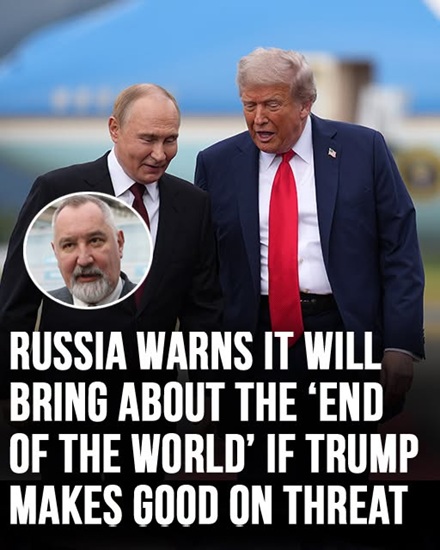
In recent years, renewed debate around the strategic importance of Greenland has intensified within global political discussions, particularly in relation to shifting security dynamics in the Arctic region. Once viewed primarily as a remote and largely autonomous territory under Danish sovereignty, Greenland has increasingly become part of wider conversations about military positioning, natural resources, and long-term geopolitical competition.
These developments have placed the island at the center of international attention, drawing interest from major global powers and raising questions about future stability in the Arctic. A significant part of this renewed focus has been linked to statements and policy discussions associated with Donald Trump, who has previously expressed interest in the idea of expanding American strategic presence in Greenland.
While such proposals have generated controversy and strong diplomatic reactions, they have also contributed to broader debates about how nations define security in an era of renewed great-power competition. Supporters of stronger U.S. involvement argue that the Arctic is becoming increasingly important for defense infrastructure and early warning systems.
From a geopolitical perspective, Greenland’s location is considered highly significant due to its proximity to key Arctic and North Atlantic routes. As climate change continues to reshape the region, previously inaccessible sea lanes are gradually opening, increasing both commercial and military interest in the area. This shift has encouraged countries such as the United States, Russia, and China to reassess their long-term presence and capabilities in the Arctic, further intensifying strategic competition.
At the same time, Denmark and Greenlandic authorities have consistently emphasized that Greenland remains part of the Kingdom of Denmark, with its own self-governing institutions and political framework. Any discussion regarding the island’s future, particularly proposals involving sovereignty or ownership changes, has been met with firm diplomatic resistance. European allies have also generally supported Denmark’s position, stressing the importance of international law and territorial integrity in maintaining global stability.
Security concerns have also played a central role in the discussion. Some U.S. policymakers and analysts argue that Greenland’s geographic position makes it an essential location for missile detection systems and early-warning defense infrastructure. These arguments have been linked to broader modernization plans for Arctic defense capabilities, including advanced radar networks and satellite monitoring systems designed to track potential threats across polar trajectories.
One concept often mentioned in strategic discussions is the development of layered missile defense systems in the Arctic region. Proponents suggest that Greenland could play a role in supporting such systems due to its northern positioning between North America and Eurasia. However, critics argue that expanding military infrastructure in the region could increase tensions and undermine long-standing cooperation agreements between Arctic nations.
European reaction to heightened Arctic competition has generally emphasized caution and diplomatic balance. Countries such as Denmark, Germany, France, and Sweden have expressed support for maintaining Greenland’s current political status while also acknowledging the need for regional security cooperation. In some cases, limited increases in Arctic military presence have been framed as precautionary measures rather than escalatory actions.
Within NATO, the situation presents a complex strategic challenge. While alliance members share common defense commitments, differing interpretations of Arctic security priorities have created subtle divisions. The debate reflects broader questions about how NATO should adapt to emerging geopolitical realities, particularly in regions where climate change is rapidly altering accessibility and strategic value.
Russia has also closely monitored developments related to Greenland and Arctic militarization. Russian officials have repeatedly emphasized the importance of maintaining strategic balance in the region, warning against actions they perceive as destabilizing. In various public statements, Russian representatives have highlighted the sensitivity of Arctic military infrastructure and the risks associated with escalating competition among nuclear powers.
Some Russian analysts have pointed to advanced missile systems and long-range capabilities as part of their broader deterrence posture, underscoring the seriousness with which Arctic security is treated in Moscow’s strategic planning. These discussions further illustrate how Greenland, despite its small population, has become symbolically important within global defense narratives.
Alongside military considerations, economic and environmental factors also play a major role in the Greenland debate. The region is believed to contain significant untapped natural resources, including rare minerals and energy reserves. However, harsh environmental conditions and international sustainability concerns have limited large-scale exploitation, making the region both valuable and difficult to develop.
At the same time, Greenland’s government has increasingly focused on balancing economic development with environmental protection and cultural preservation. Local leadership has emphasized sustainable growth, tourism development, and controlled resource exploration as part of its long-term strategy. These priorities highlight the complexity of external interest in the region, where global ambitions intersect with local governance and indigenous rights.
Alternative policy approaches have been proposed by international experts who suggest strengthening existing cooperation frameworks rather than pursuing territorial or sovereignty changes. The United States already maintains strategic installations in Greenland under agreements with Denmark, which some analysts argue could be expanded or modernized without altering political boundaries. This approach is often presented as a more stable and diplomatically sustainable solution.
Ultimately, Greenland has become a focal point for broader questions about the future of global power distribution, Arctic governance, and international security cooperation. The discussions surrounding the island reflect deeper shifts in how nations perceive strategic geography in the 21st century. Whether future policy moves toward greater cooperation or increased competition will significantly influence not only the Arctic region but also global diplomatic relations in the years ahead.
