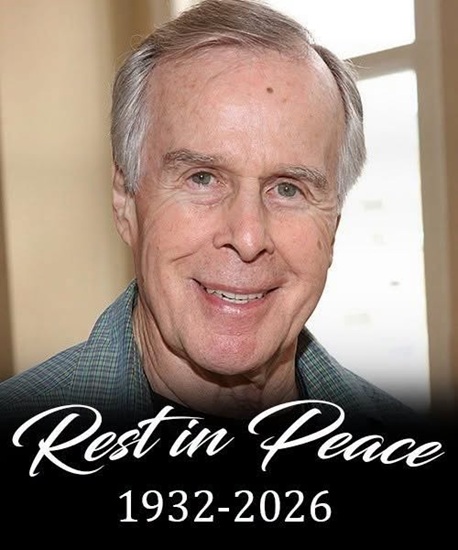
John Cunningham, a veteran actor whose career spanned nearly seven decades across stage, film, and television, is remembered as a steady and highly respected presence in American entertainment. Known for his professionalism, consistency, and quiet excellence, Cunningham built a career that was less about celebrity and more about craftsmanship. His work left a lasting impression on audiences, directors, and fellow performers who valued his dedication to the art of acting.
He passed away at the age of 93 in Rye, New York, where he had lived for many years with his family. His home, situated in a peaceful residential area near a local golf course, was a central place in his later life. While his passing marks the end of a long personal journey, his professional legacy continues through the many performances he contributed to theater, film, and television over the decades.
Cunningham’s career was defined by its remarkable longevity and stability. Unlike many performers who move in and out of the spotlight, he maintained a consistent presence in the entertainment industry for most of his adult life. He earned a reputation as a dependable actor who could always be relied upon to deliver thoughtful, grounded performances, regardless of the size or visibility of the role.
A Career Built on Theater Foundations
The foundation of John Cunningham’s artistic life was Broadway and stage performance. Over the course of his career, he appeared in multiple Broadway productions that helped shape American theater across several decades. His stage work included roles in well-known productions such as Company, Cabaret, 1776, Titanic, and The Sisters Rosensweig. Each performance added to his reputation as a disciplined and skilled stage actor.

Colleagues often described him as a performer who brought intelligence and emotional clarity to his roles. Rather than relying on theatrical exaggeration, Cunningham was known for subtle and natural performances that felt authentic to audiences. Directors appreciated his ability to understand character motivation deeply and bring consistency to long-running productions.
His stage career also reflected the changing landscape of Broadway over time. As theater evolved through different eras of storytelling and style, Cunningham remained active and adaptable. This ability to transition across decades of theatrical change contributed significantly to his long-standing relevance in the industry.
Breakthrough Opportunity and Early Career Growth
One of the most important turning points in Cunningham’s early career came in the 1960s when he was selected by acclaimed director Moss Hart to join the touring production of My Fair Lady. At the time, he was still building his reputation and had not yet established himself fully in the industry. The opportunity provided him with exposure to large audiences and professional touring productions.
He performed the role of Zoltan while also serving as understudy for the character of Henry Higgins. This dual responsibility allowed him to observe experienced performers closely while also developing his own craft on stage. The experience played a key role in shaping his understanding of professional theater and strengthened his foundation for future work.
Following this early success, Cunningham continued to build a steady career through consistent stage appearances. Rather than pursuing rapid fame, he focused on developing a long-term professional path based on reliability and skill. This approach became one of the defining features of his career.
Notable Film and Screen Appearances
While theater remained his primary focus, Cunningham also developed a successful film and television career. He appeared in a number of well-known films that reached broad audiences and showcased his ability to portray complex supporting characters. Among his most recognized roles were appearances in films such as Dead Poets Society, Mystic Pizza, School Ties, Nixon, and The Jackal.
In many of these films, he portrayed authority figures, fathers, or professional characters who required subtle emotional depth rather than dramatic performance. His role in Dead Poets Society, in particular, introduced him to a wider audience and remains one of his most recognized screen appearances.
Cunningham’s screen presence was often described as calm and grounded. Even in limited screen time, he had the ability to create memorable and believable characters. This skill made him a valuable supporting actor in many productions where realism and emotional nuance were important.
Television Work and Continued Visibility
In addition to his film and stage work, Cunningham maintained a steady presence on television throughout his career. He appeared in numerous television series over several decades, demonstrating his ability to adapt to different formats and storytelling styles.
His television credits included appearances in popular series such as Law & Order, 30 Rock, The Good Wife, and Damages. He was especially known for recurring appearances in procedural dramas, where his experience and professionalism made him a natural fit for complex supporting roles.
Television provided Cunningham with continued visibility even as the entertainment industry changed. His adaptability allowed him to remain active across multiple generations of viewers, further strengthening his reputation as a reliable and versatile actor.
Voice Work and Additional Creative Contributions
Beyond traditional acting roles, Cunningham also contributed to voice performances in various projects. These included narration and character voice work in films and special productions, where his distinctive voice added depth and character to the material.
His voice work demonstrated his versatility as a performer and his willingness to explore different forms of storytelling. Whether on stage, in front of a camera, or behind a microphone, Cunningham approached each role with the same level of professionalism and preparation.
This flexibility allowed him to sustain a long career in an industry that often changes rapidly, particularly as new media formats emerged over time.
Personal Life and Community Involvement
Outside of his professional career, Cunningham was deeply connected to his family and community. He was married to his wife, Carolyn, for nearly seventy years, a partnership that remained strong throughout his life. Their long marriage was often described by those who knew them as a reflection of stability and shared commitment.
In addition to family life, Cunningham was actively involved in community initiatives, particularly those related to arts education. He believed strongly in supporting young people and encouraging access to creative learning opportunities.
He co-founded a local arts education initiative aimed at bringing professional playwrights and theatrical experiences into schools. This effort helped support arts programs and inspired students to explore creative fields.
Legacy and Lasting Impact
John Cunningham’s legacy is defined not by celebrity status but by consistency, integrity, and craftsmanship. He was widely respected within the entertainment industry for his professionalism and dedication to every role he accepted. His career stands as an example of longevity built on steady work rather than public attention.
Actors and directors who worked with him often remembered his reliability and thoughtful approach to performance. He represented a generation of performers who valued the craft of acting above fame or recognition.
As the entertainment industry continues to evolve, Cunningham’s body of work remains a reminder of the importance of discipline, humility, and long-term dedication. His contributions across stage, film, and television continue to be appreciated by audiences and professionals alike.
