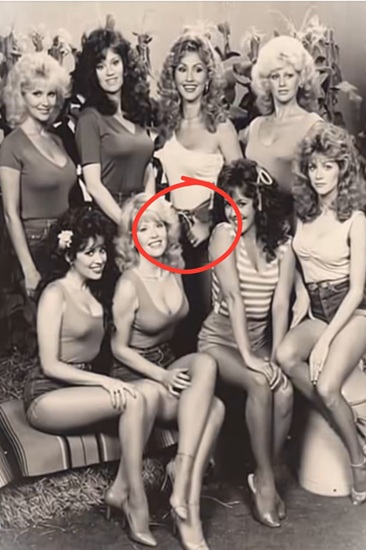
When Hee Haw first premiered in 1969, it arrived during a period of major cultural and social change in the United States. At a time when television was rapidly evolving, the show carved out a unique identity by focusing on humor, country music, and rural American life. It quickly became a recognizable part of weekly television entertainment for millions of viewers across the country. The show was created as a country-themed variety program, blending comedy sketches with live musical performances.
Unlike many urban-focused television programs of its time, Hee Haw highlighted small-town culture, rural humor, and traditional country values. This combination helped it stand out in a competitive television landscape. Each episode typically featured a mix of short comedic skits, recurring characters, musical segments, and lighthearted jokes. The structure was simple but effective, allowing audiences to enjoy both entertainment and music in a single program. Its format made it especially popular for family viewing.

One of the most defining aspects of Hee Haw was its cast of performers. The show featured well-known country music artists such as Roy Clark and Buck Owens, who also served as hosts. Their musical talent and natural chemistry helped anchor the program and gave it a strong identity.
In addition to its musical hosts, the show included a large ensemble of comedians and recurring characters. Performers such as Grandpa Jones and Minnie Pearl became iconic figures through their appearances. Their comedic timing, rural-inspired humor, and distinctive personalities contributed significantly to the show’s popularity.
The humor in Hee Haw was rooted in simple, accessible jokes and sketches that often reflected rural life. Recurring segments like the “Kornfield Jokes” became a signature feature of the program. These short comedic bits relied on wordplay, punchlines, and audience-friendly humor that appealed across generations.

Unlike many modern productions, the show was known for its straightforward and unpolished style. Rather than relying on heavy editing or scripted perfection, Hee Haw embraced a more natural and spontaneous feel. This contributed to its charm and made it feel approachable to audiences.
Music played a central role in every episode. The show regularly featured live performances of country, bluegrass, gospel, and folk music. These performances helped showcase traditional American musical styles and introduced audiences to both established and emerging artists in the genre.
The combination of comedy and music created a balanced viewing experience. One moment viewers would be laughing at a comedic sketch, and the next they would be enjoying a live musical performance. This variety format was one of the key reasons for the show’s long-running success.
Hee Haw also reflected aspects of rural and small-town American life. Its sketches often portrayed everyday situations such as farming, family interactions, and community gatherings. While exaggerated for comedic effect, these portrayals resonated with many viewers who identified with similar lifestyles.
A significant part of the show’s appeal was its ability to bring families together. During its peak popularity, it was common for households to gather around the television to watch episodes together. This shared viewing experience made it a cultural event rather than just a television program.
The show’s tone remained consistently lighthearted. Even when humor touched on everyday struggles, it was presented in a playful and non-controversial way. This allowed Hee Haw to maintain broad appeal across different age groups and regions.
Over time, Hee Haw became more than just entertainment—it became a representation of a specific cultural identity. It reflected values such as community, humor in everyday life, and appreciation for traditional music and storytelling.
The program also played an important role in preserving country music during a time when popular music was rapidly diversifying. By featuring live performances on a weekly basis, it helped keep traditional country styles visible to national audiences.
As television evolved, Hee Haw remained on the air for many years, adapting slightly but maintaining its core identity. Its longevity is often attributed to its consistent format and loyal audience base, particularly among viewers who appreciated its nostalgic and family-friendly tone.
Even after its original run ended, the show continued to be remembered through reruns, archival footage, and streaming availability. New generations of viewers have since discovered it, often viewing it as a historical snapshot of American entertainment in the late 20th century.
From a cultural perspective, Hee Haw represents a period in television history when variety shows were a dominant form of entertainment. It stands alongside other classic programs that combined music, comedy, and performance into a single weekly format.
The influence of Hee Haw can still be seen in modern entertainment that blends humor and music, especially within country and Americana-inspired programming. Its format helped establish a blueprint for how variety entertainment could engage audiences across different interests.
Ultimately, Hee Haw remains an important part of American television history. It succeeded not through complexity, but through simplicity—offering humor, music, and a sense of community that resonated deeply with viewers.
Its legacy continues as a reminder that entertainment does not need to be elaborate to be meaningful. Sometimes, the most enduring shows are those that celebrate everyday life, shared laughter, and the universal appeal of music and storytelling.
