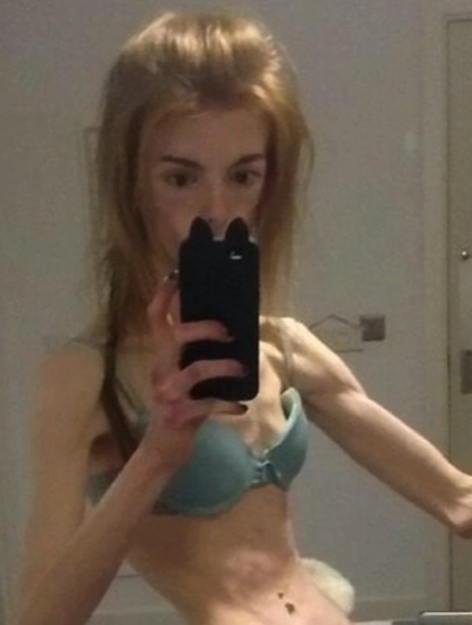
A young woman from Derbyshire, Annie Windley, has shared her deeply personal experience of living with and recovering from anorexia in the hope that it may help others who are facing similar challenges. Her story reflects years of struggle, medical intervention, emotional hardship, and gradual recovery. At her most vulnerable stage, Annie’s weight dropped to just 29 kilograms, which is approximately four and a half stone, placing her in a medically critical condition with a serious risk to her life.
Her experience highlights the severe physical and emotional toll that eating disorders can have on individuals. Despite the difficulties she has faced, Annie has chosen to speak openly about her journey, emphasizing both the pain of her illness and the hope she has found through recovery. Her decision to share her story publicly is part of her desire to support others who may feel trapped in similar circumstances.
Early Diagnosis and the Beginning of Her Struggle
Annie’s journey with an eating disorder began in 2012 when she was first diagnosed. Like many young people affected by anorexia, her condition developed gradually but became increasingly severe over time. By 2014, her health had deteriorated significantly, requiring ongoing medical attention and intervention.

During the early years of her illness, Annie experienced repeated hospital admissions and periods of intensive treatment. At times, her condition became so serious that she required urgent care due to extreme physical weakness. These early experiences marked the beginning of a long and difficult journey toward understanding her illness and learning how to manage it.
Severe Health Consequences and Hospital Treatment
As her condition progressed, Annie faced life-threatening complications associated with anorexia. Her weight loss became extreme, and at one point she was unable to stand due to physical weakness. Medical professionals closely monitored her condition, as her dangerously low body weight placed her at risk of serious cardiac complications.
There were periods when she required intensive medical supervision, including being sectioned under mental health legislation for her safety. These interventions were necessary to stabilize her condition and ensure she received appropriate care during critical moments. Her experience reflects the severe reality of eating disorders and the importance of early intervention and ongoing support.
The Turning Point in Her Recovery
In 2017, Annie reached a significant turning point in her recovery journey. She has described this period as a moment when something changed internally, motivating her to begin fighting for recovery in a more determined way. Although the exact reason for this shift is difficult to define, she has explained that this time her motivation came from a personal desire to recover for herself.
From this point onward, Annie began to focus more seriously on rebuilding her physical health and emotional well-being. Recovery was not immediate or easy; it involved ongoing challenges, setbacks, and emotional struggles. However, it marked the beginning of a more stable and hopeful phase in her life.
The Role of Running in Her Recovery
One of the most important elements in Annie’s recovery has been her passion for running. She discovered that physical activity, when approached in a healthy and balanced way, could support her mental well-being and give her structure in daily life. Running became a positive focus rather than a form of control or punishment.

Over time, she gradually built her strength and endurance, eventually working toward completing the Chesterfield Half Marathon in October of the previous year. This achievement represented not only physical progress but also emotional resilience. It marked an important milestone in her recovery journey and demonstrated how far she had come from her most critical condition.
A New Perspective on Health and Self-Worth
As part of her recovery, Annie has developed a new understanding of health, self-worth, and happiness. She has spoken about realizing that a person’s value is not determined by body weight or physical appearance, but by their character, kindness, and how they treat others.
This shift in perspective has played a significant role in her healing process. Instead of focusing on numbers or restrictions, she now emphasizes the importance of relationships, personal growth, and emotional well-being. She encourages others to focus on being present in their lives, connecting with loved ones, and appreciating everyday experiences.
Understanding the Mental Impact of Anorexia
Annie has openly described how anorexia affected her perception of food and daily life. Foods that are commonly seen as normal, such as pizza or chocolate, became sources of anxiety and calculation rather than enjoyment. Her illness transformed everyday decisions into overwhelming mental challenges.

Through recovery, she has worked to rebuild a healthier relationship with food. This process has not been easy, and she acknowledges that recovery is not linear. However, she has learned to challenge the thoughts that once controlled her life and to approach eating with a more balanced mindset.
Challenges, Setbacks, and Emotional Strength
Annie’s recovery journey has not been without setbacks. She has spoken about difficult days when negative thoughts return, when body image struggles intensify, and when motivation feels low. These moments remain part of her ongoing experience, as recovery from anorexia is often a long-term process.
However, she emphasizes the importance of continuing forward even during difficult periods. Her message reflects resilience and determination, encouraging others not to give up during moments of doubt. She acknowledges that recovery requires persistence, patience, and self-compassion.
A Message of Hope and Encouragement
Throughout her journey, Annie has consistently encouraged others who are struggling with eating disorders to believe in the possibility of recovery. She emphasizes that change is possible at any stage, regardless of how long someone has been unwell.
Her message focuses on hope, resilience, and the importance of seeking support. She encourages people to invest their energy in meaningful relationships, personal passions, and positive experiences rather than restrictive thoughts about food or body image.
Annie Windley’s story is a powerful example of recovery from one of the most challenging mental health conditions. Her experience highlights both the seriousness of anorexia and the possibility of healing with time, support, and determination.
While her journey has involved significant suffering, it has also led to growth, strength, and a renewed appreciation for life. Today, she continues to use her voice to inspire others, reminding them that recovery is possible and that life can be rebuilt step by step.
