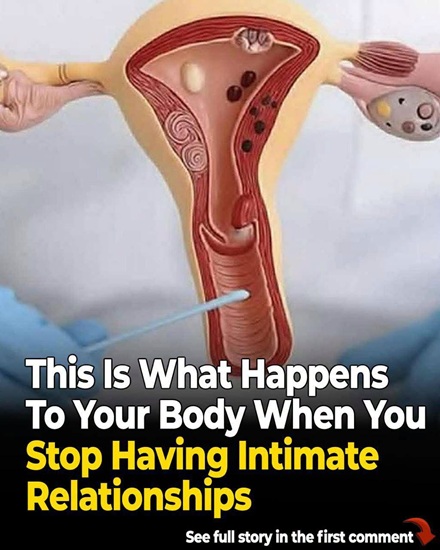
Sexual activity is a normal part of life for many adults, but there is no medically required amount of sex that a person must have in order to remain healthy. Some people have sex frequently, others occasionally, and some choose not to have sex at all. A period without sexual activity does not automatically damage the body, create illness or mean that something is wrong. Sexual desire and activity can change because of relationships, stress, work, health conditions, medications, pregnancy, aging or simply personal preference.
What matters most is whether a person feels comfortable with their situation and whether any physical or emotional changes are causing distress. Consensual sexual activity can provide pleasure, intimacy and emotional connection, and research suggests that it may be associated with several physical and psychological benefits. Sexual arousal and orgasm involve complex interactions between the brain, nervous system, hormones and cardiovascular system.
During pleasurable sexual activity, chemicals including oxytocin and endorphins may contribute to feelings of relaxation and well-being. Some people also find that sexual activity helps them unwind or sleep more easily afterward. However, these benefits are not exclusive to partnered sex, and people who are not sexually active can support their physical and emotional health in many other ways. One of the most commonly discussed connections between sex and health involves stress. Stress activates several biological systems and can increase levels of hormones such as cortisol.
Pleasant physical intimacy may temporarily promote relaxation and can be associated with lower perceived stress for some people. Therefore, someone who previously used sexual intimacy as one way to relax might notice that they miss that particular stress-relieving experience during a period of abstinence. That does not mean that avoiding sex automatically causes unhealthy cortisol levels, however. Exercise, sufficient sleep, social connection, relaxation techniques and enjoyable activities can all play important roles in managing everyday stress.
Mood can also be connected with sexuality, although the relationship is highly individual. Intimacy can promote closeness between partners, and enjoyable sexual experiences may temporarily increase feelings associated with pleasure and bonding. Consequently, someone who values sexual intimacy may feel lonely, frustrated or disconnected when that part of life disappears. Another person may feel completely comfortable, relieved or even happier during a period without sex. There is no universal emotional reaction to abstinence, and it would be misleading to claim that everyone becomes depressed, irritable or unhappy when they are not sexually active.
Sexual desire itself can fluctuate considerably. Some people notice that when they have not had sexual activity for a period of time, they think about it less frequently. Others experience exactly the opposite and may notice stronger desire. Libido is influenced by many factors, including hormones, physical health, emotional well-being, relationship quality, medications, stress, fatigue and individual differences. There is therefore no biological rule stating that desire must continually increase or decrease the longer someone goes without sex. Changes in libido become medically relevant primarily when they are unexplained, persistent or distressing to the person experiencing them.
Masturbation is another normal form of sexual activity for adults who choose it. It does not require a partner and can provide sexual pleasure or relaxation without the pregnancy risks associated with penile-vaginal intercourse. For some people, masturbation can also help them understand which types of stimulation they enjoy. There is no requirement to masturbate, however, and choosing not to do so is also completely normal. Sexual health should not be measured by how frequently a person engages in either partnered sex or masturbation.
A particularly persistent myth involves the vagina supposedly becoming permanently “tighter” because someone has not had intercourse for a long time. That is not an accurate description of female anatomy. The vagina is elastic muscular tissue, and simply avoiding penetrative sex does not cause it to close or permanently shrink. Someone returning to penetration after a long break may sometimes experience discomfort or feel tense, particularly if they are anxious or insufficiently aroused. Adequate time for arousal, communication and lubrication can make intercourse more comfortable, while persistent pain deserves medical evaluation.
Another misconception is that abstinence itself causes vaginal atrophy. Vaginal or genitourinary atrophy is primarily associated with reduced estrogen levels, particularly during and after menopause, rather than simply with not having intercourse. Lower estrogen can make vaginal tissues thinner, less elastic and more prone to dryness or irritation. Hormonal changes related to breastfeeding, certain medications or some medical treatments can also contribute to vaginal dryness. Therefore, telling someone that avoiding sex will cause vaginal atrophy would confuse correlation with the actual biological causes of the condition.
Vaginal dryness can occur for many reasons and is not necessarily evidence that someone has gone too long without sex. Menopause, pregnancy, breastfeeding, certain medications and inadequate sexual arousal can all affect natural lubrication. Stress or anxiety may influence arousal as well. If someone begins having intercourse again after a long period of abstinence and notices dryness, allowing more time for arousal and using an appropriate lubricant can help. Persistent dryness, unexplained bleeding, unusual discharge or ongoing pain should be discussed with a healthcare professional rather than assumed to be a consequence of abstinence.
Pelvic-floor health is another subject frequently mixed into discussions about sexual frequency. The pelvic-floor muscles support organs including the bladder and bowel and participate in sexual function. These muscles can be affected by pregnancy, childbirth, aging, certain medical conditions and other factors. Sexual intercourse is not the only way to maintain pelvic-floor function, and avoiding intercourse does not automatically make those muscles weak. When pelvic-floor strengthening is appropriate, exercises can be performed independently of sexual activity. People experiencing urinary leakage, pelvic pain or other pelvic-floor symptoms may benefit from assessment by a qualified clinician or pelvic-floor physical therapist.
Some people also experience what is popularly described as “touch deprivation” or “touch starvation.” This term refers to missing affectionate physical contact rather than specifically missing sexual intercourse. Humans can receive meaningful physical connection through many forms of consensual touch, including hugs, holding hands, cuddling or other affectionate contact. Research conducted during periods of social isolation has suggested that reduced affectionate touch can be associated with poorer emotional well-being for some people. Importantly, someone can have little or no sex while still receiving abundant physical affection from friends, family or a partner.
Oxytocin is frequently called the “bonding hormone,” although its biological role is considerably more complicated than that nickname suggests. It can be released during sexual activity, orgasm and certain forms of affectionate physical contact. Researchers have investigated its relationship with social bonding, stress responses and emotional experiences. It would be an oversimplification, however, to suggest that people who are not having sex become deficient in oxytocin. Human relationships and emotional health involve far more than one hormone, and sexual activity is only one of many experiences associated with social connection.
Claims about sex dramatically strengthening the immune system should also be interpreted cautiously. Some research has identified associations between sexual activity and certain immune markers, but that does not prove that regularly having sex will prevent infections or that abstaining will weaken someone’s immune system. Immunity is influenced by numerous factors, including sleep, nutrition, vaccination, age, underlying health conditions and other biological influences. Cleveland Clinic notes possible associations between sexual activity and immune function while also emphasizing broader health mechanisms such as sleep and stress.
Sleep is one area where some people notice a practical benefit from sexual activity. Orgasm can be followed by relaxation, and hormonal and neurological changes may make some individuals feel sleepy afterward. A person accustomed to using intimacy as part of a bedtime routine might therefore notice a difference after becoming sexually inactive. But sex is not required for healthy sleep. Consistent sleeping hours, managing caffeine, physical activity, a comfortable sleep environment and addressing medical sleep problems are much more broadly applicable strategies for obtaining adequate rest.
Heart health is another area where headlines sometimes make stronger claims than the available evidence supports. Sexual activity temporarily increases heart rate and represents a form of physical exertion, though it should not be treated as a substitute for recommended regular exercise. Observational research has found associations between sexual activity, relationship quality and some cardiovascular outcomes, but such studies cannot necessarily establish that sex itself caused those outcomes. People who are healthier may simply be more capable of maintaining an active sex life. Accordingly, not having sex should not be presented as a direct cause of cardiovascular disease.
For most people with stable cardiovascular health, sexual activity is generally considered a normal physical activity. People with significant heart disease or those who develop chest pain, severe breathlessness or other concerning symptoms during physical exertion should follow medical advice about safe activity levels. This is another example of why broad claims such as “more sex protects your heart” can be misleading without context. Cardiovascular health is far more strongly shaped by factors such as smoking, blood pressure, cholesterol, physical activity, diabetes and overall medical care.
The relationship between sexual activity and erectile function has also received considerable attention. Some observational research has found that men reporting intercourse more frequently also reported lower rates of erectile dysfunction. Such findings do not prove that abstinence causes erectile dysfunction, because the relationship can operate in the opposite direction: men who already have erectile difficulties may naturally have intercourse less frequently. Age, cardiovascular disease, diabetes, medications, smoking, hormonal issues, stress and psychological factors can all contribute to erectile dysfunction.
For that reason, a man should not assume that a period without sex will permanently damage his ability to have an erection. Sexual response can sometimes feel different after a long break, especially when anxiety or expectations are involved. Temporary difficulties are common and do not necessarily indicate disease. Persistent erectile problems, particularly when they occur repeatedly over several months, are worth discussing with a healthcare professional because erectile dysfunction can sometimes be associated with underlying cardiovascular, metabolic or hormonal conditions.
Another frequently repeated claim is that frequent sex prevents prostate cancer. The actual evidence is more nuanced. Several observational studies have found an association between higher ejaculation frequency and a lower incidence of prostate cancer in certain groups. However, ejaculation includes masturbation and nocturnal emissions as well as intercourse, meaning the research is not evidence that partnered sex itself prevents cancer. More importantly, observational associations cannot establish a guaranteed protective effect, and research reviews note that findings across studies are not completely consistent.
It would therefore be inaccurate to tell men that they need a particular amount of sex to protect their prostate. Established medical approaches to cancer prevention and early detection should not be replaced by claims about sexual frequency. Individual prostate-cancer risk varies according to factors including age, family history and genetics. Anyone concerned about prostate health should discuss appropriate screening and risk factors with a healthcare professional rather than relying on a recommended number of ejaculations or sexual encounters.
Mental health and sexuality can influence one another in both directions. Depression, anxiety, chronic stress and some psychiatric medications can reduce sexual interest. At the same time, relationship difficulties or unwanted changes in sexual activity may contribute to emotional distress. This creates a complicated relationship in which it can be difficult to determine what is causing what. Someone who is happy and emotionally fulfilled without sex does not need to become sexually active merely for supposed psychological benefits.
Likewise, no one should feel pressured into sexual activity because an article claims that abstinence is unhealthy. Consent remains fundamental regardless of potential health benefits associated with sex. Sexual activity should occur only when everyone involved freely wants to participate and has the capacity to consent. A person’s decision to decline sex does not require justification, and health claims should never be used to pressure someone into changing that decision.
There are also circumstances in which avoiding sex can provide clear health advantages. Abstinence from sexual contact eliminates pregnancy risk and can prevent sexually transmitted infections that require sexual exposure. For sexually active people, safer-sex strategies can substantially reduce risk. Depending on the type of sexual contact, these strategies may include condoms or other barrier methods, appropriate contraception, STI testing and honest communication between partners. Cleveland Clinic notes that safer sex involves protecting physical as well as psychological well-being.
Condoms can substantially reduce the risk of many sexually transmitted infections when they are used correctly and consistently, but they do not eliminate every possible transmission route. Some infections can spread through skin-to-skin contact involving areas not covered by a condom. That is why sexual-health decisions can also include vaccination where appropriate, STI screening and communication about testing and sexual history. People should seek individualized advice from healthcare professionals when they have concerns about exposure or symptoms.
Urinary tract infections are another consideration, particularly for some women. Sexual activity can sometimes increase the likelihood of developing a UTI because bacteria may be moved toward the urinary tract. Therefore, not having sex certainly does not inherently increase the risk of UTIs, contrary to what a simplistic “sex is always healthier” narrative might imply. Recurrent urinary symptoms should be evaluated medically because they can have several causes, particularly around menopause when changes related to lower estrogen may become relevant.
For people returning to partnered sex after months or years without it, there is usually no reason to expect dramatic physical problems simply because of the time that has passed. The experience may feel emotionally different, and arousal may take more time than remembered. Communication can help both partners establish comfort and expectations. Going slowly, allowing sufficient arousal and using lubrication when appropriate can improve comfort with penetrative sex. Pain should not simply be endured in the belief that the body needs to “get used to sex again.”
Pain during intercourse can have many possible explanations. Vaginal dryness, pelvic-floor muscle tension, infections, hormonal changes, endometriosis and other gynecological or medical conditions may contribute. Persistent sexual pain deserves professional evaluation rather than repeated attempts to push through the discomfort. Treatment depends on the underlying cause and can range from lubrication or moisturizers to pelvic-floor therapy or medical treatment for hormonal and other conditions.
Menopause deserves particular attention because many myths about abstinence are actually descriptions of menopausal changes. Declining estrogen levels can affect the vulva, vagina and urinary tract, sometimes causing dryness, burning, irritation, painful intercourse or recurrent urinary symptoms. These changes can occur regardless of whether someone is sexually active. Treatments may include vaginal moisturizers, lubricants or, when medically appropriate, local estrogen and other therapies discussed with a healthcare professional.
The same principle applies to libido during aging. Changes in sexual desire are not simply the result of having too little sex. Hormonal changes, chronic illnesses, relationship dynamics, medications, sleep and psychological health can all affect desire. Some people maintain strong sexual interest throughout later adulthood, whereas others become less interested and are entirely comfortable with that change. There is no single “normal” frequency that applies to every age or relationship.
Relationship satisfaction should also not be reduced to how often couples have intercourse. Sexual intimacy can be important to many couples, particularly when both partners consider it a meaningful form of connection. But successful relationships can include different levels and types of physical intimacy. Communication, affection, trust, respect and shared experiences can all contribute to closeness. Problems are more likely to arise when partners have significantly different expectations and cannot discuss them constructively than simply because the number of sexual encounters falls below an arbitrary target.
If sexual frequency changes substantially within a relationship, discussing it without blame can be useful. A partner experiencing fatigue, stress, pain, medication side effects or hormonal changes may have less interest temporarily or permanently. Treating reduced desire as a personal rejection can make the situation more difficult. When differences in desire cause persistent distress, a healthcare professional or qualified relationship or sex therapist may help identify medical, emotional or interpersonal factors.
Body image and confidence may also influence sexuality. Positive sexual experiences can improve feelings of desirability or closeness for some people, but sexual activity is not a requirement for good self-esteem. People can develop confidence through relationships, achievements, physical activity, creativity, friendships and many other aspects of life. Suggesting that someone needs sex to feel attractive or psychologically healthy can create unnecessary pressure and is not supported as a universal medical conclusion.
Similarly, sexual activity should not be described as a treatment for depression or anxiety. It may temporarily improve mood for some people, but mental-health conditions can require evidence-based professional care. If someone is persistently depressed, anxious or emotionally distressed, increasing sexual activity should not replace evaluation and appropriate treatment. The fact that intimacy may feel good is different from demonstrating that it cures a mental-health disorder.
The health benefits commonly associated with sex should therefore be placed in perspective. Sexual activity can involve mild-to-moderate physical exertion, pleasure, bonding and relaxation, and orgasm may help some people sleep or temporarily relieve stress or discomfort. Those can be genuine positive experiences. However, people can obtain exercise, emotional connection, relaxation, pleasure and improved sleep through many activities that do not involve sex. There is no known syndrome caused simply by being sexually inactive.
Someone who chooses celibacy for personal, cultural, religious, medical or relationship reasons can remain completely healthy. Likewise, a person who is between relationships or does not currently have a sexual partner does not need to seek one for medical reasons. Healthy eating, physical activity, adequate sleep, preventive healthcare, avoiding tobacco, managing chronic conditions and maintaining supportive social relationships have much clearer roles in long-term health than trying to meet an arbitrary sexual-frequency goal.
For people who do want sexual intimacy, the quality and safety of the experience matter more than meeting a numerical target. Consensual sex that feels comfortable and enjoyable can contribute positively to life. Sex that is unwanted, painful, coercive or unsafe can have exactly the opposite effect. Individual circumstances therefore matter much more than simplistic advice telling everyone to have sex a certain number of times each week.
It is also useful to distinguish sexual desire from biological necessity. Humans need water, food, oxygen and sleep for survival. Sex is fundamentally different. A person can live without sexual intercourse indefinitely without suffering a deficiency comparable with lack of food or water. This explains why descriptions suggesting that the body somehow “stores up” an urgent medical need for sex are incorrect. Sexual desire may be powerful, but it is not the same type of physiological requirement.
There is also no medical deadline after which abstinence becomes dangerous. A few weeks, several months or many years without sex do not automatically create physical illness. People may notice changes in their desire, mood or comfort with intimacy, but those experiences vary enormously. When a change causes concern, the important question is not simply how long someone has been abstinent but whether there are symptoms or emotional difficulties that deserve attention.
One useful way to think about sexual health is as part of overall health rather than as a separate requirement. Healthy sexuality includes understanding one’s own preferences, respecting boundaries, obtaining consent, reducing infection and pregnancy risks when relevant and seeking medical care for persistent problems. For some adults, an active sex life is an important part of that picture. For others, sexual abstinence may be equally compatible with well-being.
So what actually happens when someone stops having sex? In many cases, very little happens physically. A person may miss intimacy, experience changes in desire or notice that returning to sexual activity requires additional time to become comfortable or aroused. Someone undergoing hormonal changes may experience dryness or other genital symptoms, but abstinence itself should not automatically be blamed. Other people may notice no meaningful difference whatsoever.
That is why dramatic claims that the body deteriorates without sex should be treated skeptically. Some health benefits have been associated with enjoyable sexual activity, but association does not always demonstrate cause and effect. Many of the benefits attributed to sex overlap with the benefits of close relationships, physical activity, relaxation and good sleep. Research in this area can also be affected by the fact that healthier people may be more likely to remain sexually active in the first place.
The more accurate message is reassuring: sexual activity can be a positive and healthy part of adult life when it is wanted, consensual and practiced with appropriate attention to safety, but abstinence is also a normal and generally safe choice. No one should feel medically obligated to have sex, and no one should feel ashamed for wanting a fulfilling sexual relationship. Human sexuality varies widely, and healthy patterns can look very different from one person to another.
Anyone experiencing persistent pain during sex, unexplained genital symptoms, erectile difficulties, major changes in sexual desire or significant distress about sexual functioning should consider speaking with a qualified healthcare professional. Medical evaluation can help identify hormonal, cardiovascular, neurological, psychological, medication-related or relationship factors when appropriate. Sexual-health concerns are common, and they deserve the same evidence-based approach as other health questions.
Ultimately, there is no scientifically established minimum amount of sex required for good health. Consensual sexual activity may offer pleasure, intimacy, relaxation and other benefits for people who enjoy it, but going without sex does not automatically harm the body. The healthiest approach is one based on personal choice, accurate information, mutual consent, safer-sex practices when applicable and professional medical advice when symptoms are present.
