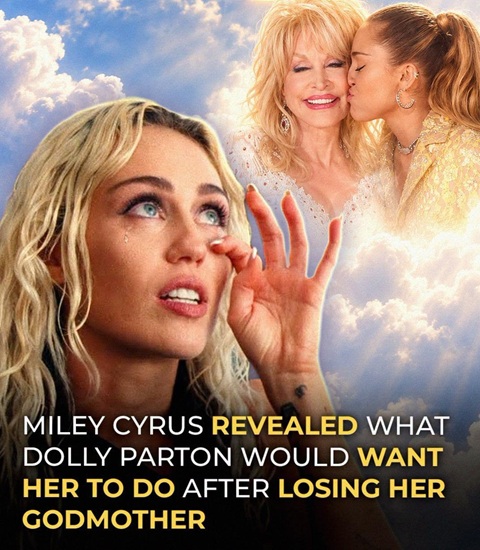
The death of Dolly Parton on August 25, 2026, at the age of 80 brought an extraordinary outpouring of tributes from musicians, entertainers and admirers around the world. Her representatives said the country music legend died following a brief battle with cancer, although the specific type of cancer was not publicly disclosed. For millions of listeners, the loss marked the end of an era shaped by songs including “Jolene,” “9 to 5” and “I Will Always Love You.” For Billy Ray Cyrus and his daughter Miley Cyrus, however, the loss was also deeply personal.
Their relationships with Dolly stretched across decades and existed far beyond the performances, television appearances and photographs that the public saw. Billy Ray Cyrus responded to Dolly’s death by reflecting on a friendship that had been part of his life for more than three decades. He explained that his admiration for Dolly actually began much earlier, when he was still a child and she was already becoming one of the most recognizable performers in American entertainment.
Dolly was the kind of entertainer who seemed to be everywhere — on television, on the radio and eventually in films. Long before Billy Ray became famous himself, he knew her as millions of other Americans did: through her music and public personality. What he could not have predicted was that he would eventually know her personally and develop a friendship strong enough to last for the rest of her life.
A Friendship That Took Shape in the Early 1990s
Billy Ray’s breakthrough arrived with the enormous success of “Achy Breaky Heart” and his 1992 debut album, Some Gave All. Sudden fame brought enormous attention, and not all of it was focused on his music. During that period, tabloid stories began circulating rumors about Billy Ray and Dolly. Billy Ray later recalled that the gossip made him uncomfortable because he did not want Dolly to be dragged into unwanted speculation simply because of their professional friendship. Eventually, he decided that the most respectful thing he could do was speak to her directly.

He remembered going into Dolly’s dressing room in 1992 intending to apologize for the stories that had appeared about them. Instead of reacting angrily, Dolly responded with the humor for which she was famous. According to Billy Ray’s later recollection, she winked at him and joked, “Honey, this trash sells records!” Her response immediately changed the atmosphere. Rather than allowing tabloid gossip to create tension between them, Dolly treated the situation with humor and perspective. Billy Ray would remember that exchange for decades as an example of her ability to remain composed when the world around her became noisy.
The moment also demonstrated something important about Dolly’s approach to fame. By 1992, she had already spent decades in the entertainment industry and understood how quickly rumors could become part of celebrity culture. She had learned that not every headline required a response and not every piece of gossip deserved emotional energy. Her reaction helped reassure Billy Ray at a time when he was still adjusting to the intense attention accompanying his sudden success. What could have become an uncomfortable chapter instead became one of the stories he remembered most fondly about their friendship.
Their connection continued well beyond that period. Dolly and Billy Ray moved through the country music world as friends and colleagues, while Dolly gradually became connected to the next generation of the Cyrus family. When Miley Cyrus was born in November 1992, Dolly became her godmother. The title would eventually represent something far deeper than a ceremonial connection. Miley grew up referring to her as “Aunt Dolly,” and Dolly became a mentor, family figure and creative influence whose presence followed Miley from childhood into adulthood.

Dolly’s Final Message to Billy Ray
Following Dolly’s death, Billy Ray revealed that she had contacted him relatively recently with a deeply affectionate message. He did not disclose precisely when the exchange occurred or provide private details about the conversation. Instead, he shared the part that mattered most to him: Dolly had told him that she loved him with her whole heart. The message became especially meaningful after her death because it offered Billy Ray one final reminder of a friendship that had survived decades of changes in their careers and personal lives.
Billy Ray responded publicly by saying that he would continue loving Dolly in exactly the same way — with his whole heart. His tribute was less about documenting every moment of their friendship than acknowledging how difficult it was to summarize such a long relationship. More than 30 years had passed since the dressing-room conversation he remembered from 1992. During that time, careers changed, families grew, musical trends came and went, and both artists experienced different stages of fame. Their friendship nevertheless remained an important part of his life.
The account is significant precisely because Billy Ray did not claim to reveal everything about Dolly’s final period. He did not give an exact date for the message or disclose private medical conversations. Instead, he shared a personal memory and a final expression of affection. That distinction matters when discussing the final days of a public figure. Dolly’s representatives confirmed that she died following a brief battle with cancer, but many details about her illness remained private. The messages shared by friends and relatives therefore offer personal reflections rather than a complete account of her medical circumstances.

Miley Cyrus Says Goodbye to “Aunt Dolly”
Miley Cyrus approached her tribute differently. She made clear that some of her most meaningful memories with Dolly belonged to them rather than to the public. In her tribute, Miley said their most sacred moments would remain private, away from the stage and glamour associated with their careers. It was an appropriate distinction for a relationship that had always operated on two levels. Audiences saw Dolly and Miley perform together, appear on television and praise one another in interviews, but behind those public moments was a family connection that began when Miley was an infant.
Miley did reveal one detail about one of their final conversations. She said the conversation involved music and metamorphosis, accompanying the thought with a butterfly symbol. She did not publicly provide a detailed transcript of that exchange, leaving its most personal meaning between herself and Dolly. What she did explain was how she believed Dolly would want her to respond to grief. Miley suggested that Dolly would want her to experience the emotion, transform it into music and then continue moving forward.
That idea fits naturally into a relationship built partly around creativity. Dolly was not simply someone Miley admired from a distance. She was one of the people who helped shape Miley’s understanding of performance, songwriting, professionalism and fame. Miley grew up watching how Dolly interacted with people both in front of cameras and away from them. Over time, those observations became lessons that Miley carried into her own career.
In her farewell, Miley described Dolly as an angel who had always been beside her. She also expressed sympathy for Dolly’s relatives, friends and enormous community of fans. Rather than attempting to summarize Dolly’s life through statistics or achievements, Miley focused on the emotional connection. Her message suggested that Dolly’s presence would continue through memories, music and the beautiful things people associated with her.

How Dolly Became Miley’s Godmother
The origins of Dolly and Miley’s relationship go back to Dolly’s friendship with Billy Ray. As Billy Ray’s career accelerated during the early 1990s, he and Dolly became friends, and that connection eventually extended to his daughter. Dolly became Miley’s godmother after Miley’s birth in 1992. The relationship was not based on a biological parent-child connection, but it developed into a meaningful family bond that both women discussed openly throughout their lives.
Dolly never had children of her own. She was married to Carl Thomas Dean for nearly six decades, beginning with their marriage on May 30, 1966. Their marriage became famous partly because Dean remained largely outside the entertainment industry while Dolly became one of the most recognizable entertainers in the world. The couple maintained a remarkably private personal life compared with Dolly’s highly public career.
Dolly spoke over the years about the fact that she did not become a mother. She experienced serious health problems during the 1980s and underwent a partial hysterectomy. She later discussed the emotional difficulty surrounding that period and her eventual acceptance that motherhood would not be part of her life in the conventional sense. Rather than presenting one simple explanation, Dolly reflected at different times on health, career, circumstances and her spiritual beliefs about the direction her life ultimately took.
She also spoke about conversations she and Carl had once had about the possibility of children. Like many couples imagining their future family, they wondered what their children might look like and even considered possible names. Dolly later recalled that they had thought about the name Carla for a daughter. Those conversations demonstrated that parenthood had once been something they contemplated, even though their lives ultimately followed another path.
As the years passed, Dolly said she came to believe that not having children allowed her to dedicate extraordinary amounts of time to other people. She frequently expressed this through her faith, saying she believed God had a larger purpose for her life. One of her most memorable ways of describing that philosophy was the idea that other people’s children could, in a sense, become hers. That belief eventually became visible not only in her relationship with Miley but also in Dolly’s enormous commitment to childhood literacy.
A Maternal Influence Without Traditional Motherhood
Dolly’s relationship with Miley illustrated how she could occupy a maternal role without being Miley’s mother. She encouraged her, defended her during difficult periods and celebrated her successes. At the same time, Dolly generally avoided trying to control Miley’s decisions. She understood that mentorship was different from dictating someone else’s career. Her role was to offer perspective when Miley wanted it while allowing her goddaughter to develop her own identity.
That became particularly important because Miley entered show business extremely young. She became internationally famous through Disney Channel’s Hannah Montana, which premiered in 2006. Playing Miley Stewart, a teenager secretly living a second life as pop star Hannah Montana, turned Miley into one of the most recognizable young performers of her generation. Fame arrived while she was still navigating adolescence, creating pressures that very few teenagers experience.
Dolly understood those pressures better than most people. Although her own path to fame had been very different, she knew what it meant to have the public form opinions about an entertainer’s personality, appearance and private life. She had spent decades balancing Dolly Parton the public figure with Dolly Parton the private individual. That experience allowed her to offer Miley guidance grounded in an unusually long career.
Dolly also became part of Hannah Montana itself. She appeared as Aunt Dolly, effectively bringing a version of her real relationship with Miley into the fictional world of the series. The appearances introduced Dolly to many young viewers who had not grown up listening to her classic country recordings. For children watching Disney Channel, Dolly was suddenly not merely a legendary singer their parents or grandparents knew. She became part of a television show they watched themselves.
What Miley Learned From Dolly
Miley has repeatedly described Dolly as an example of how success does not have to eliminate kindness. One of the lessons she absorbed involved treating everyone on a production with respect, regardless of their position. The principle was simple: fame did not make one person more deserving of courtesy than another. Dolly’s behavior toward crews, employees, musicians and fans became part of the education Miley received simply by observing her.
That lesson carried particular weight because Dolly’s public image could easily have overshadowed the person behind it. Her elaborate wigs, sparkling costumes and larger-than-life personality were deliberately theatrical. Yet people who worked with her frequently emphasized her professionalism and ability to connect personally with those around her. Miley saw that combination firsthand and came to understand that glamour and humility did not have to contradict one another.
Dolly also encouraged Miley to remain an individual. That became increasingly important as Miley moved beyond Hannah Montana. The transition from child star to adult performer brought enormous scrutiny. Miley experimented with different sounds, appearances and stage personas while attempting to establish an identity separate from the Disney character that had made her famous.
Some of those choices generated criticism, particularly during periods when Miley adopted a more provocative public image. Dolly did not respond by publicly rejecting her goddaughter. Instead, she defended Miley’s talent and intelligence and emphasized that she was trying to discover her own path. Dolly recognized that young artists often need space to evolve rather than instructions to remain frozen in the version of themselves audiences first embraced.
Dolly Defended Miley’s Right to Grow
Dolly’s defense of Miley demonstrated the consistency of her mentorship. She could disagree with a choice without withdrawing her affection. She understood that Miley’s career belonged to Miley and that every generation of performers faced different cultural expectations. Rather than attempting to turn her goddaughter into a younger version of herself, Dolly encouraged her to become the artist she wanted to be.
Dolly once compared Miley’s independence with her own personality, noting similarities in their determination and willingness to follow their instincts. She praised Miley as both a singer and songwriter and described her as someone learning to use her own wings. The metaphor was particularly appropriate for an artist trying to move from childhood fame into an independent adult career.
Miley, in return, repeatedly identified Dolly as both an idol and a role model. Those descriptions reflected two different forms of admiration. Dolly was an idol because of the extraordinary scale of her artistic achievements. She was a role model because of the values Miley saw behind those achievements. The distinction helps explain why their relationship endured even as Miley’s music moved far beyond traditional country.
Their musical styles were never identical. Dolly remained deeply connected to country and Appalachian traditions, while Miley explored pop, rock, country and other influences. Yet those differences gave their collaborations additional meaning. Their connection did not require them to sound exactly alike. Music became a place where two generations could meet while maintaining distinct artistic identities.
Their Music Became Part of Their Family Story
Over the years, Dolly and Miley performed together on numerous occasions. Their collaborations included versions of Dolly’s classic “Jolene,” a song that Miley had performed independently many times. Miley’s interpretations helped introduce the composition to another generation, while performing it beside Dolly emphasized the connection between their musical worlds.
They also collaborated on original material. Dolly appeared on “Rainbowland,” included on Miley’s 2017 album Younger Now. The song brought their voices together in a recording that emphasized optimism, acceptance and coexistence. Their collaboration was notable because it represented more than a celebrity guest appearance. The affection between the performers was already familiar to audiences.
They continued sharing major stages as Miley’s career matured. Dolly and Miley performed together during high-profile television appearances and music events, demonstrating a chemistry that came from knowing one another beyond rehearsals. Their interactions often contained the teasing and affection of relatives rather than the formal politeness typical of artists temporarily paired for a television performance.
One particularly memorable collaboration came when they co-hosted Miley’s New Year’s Eve Party for NBC as 2022 turned into 2023. The special allowed audiences to watch their relationship unfold through conversation, comedy and music. Their age difference was obvious, but it became part of the appeal rather than a barrier. They represented different eras of popular music while sharing a common understanding of entertainment.
The Famous Hair Conversation
Their relationship also contained plenty of humor. Miley has told a story about considering a return to brunette hair and informing Dolly about the idea. Dolly reacted dramatically, telling Miley she could not make the change because, in Dolly’s words, “You are me.” The exchange became a humorous illustration of how strongly the image of the two blonde performers had become connected.
Miley ultimately remained blonde, and the story became another example of their affectionate dynamic. Dolly’s reaction was theatrical rather than an attempt to control Miley’s appearance. Their relationship frequently included that type of playful exaggeration. Dolly understood the entertainment value of a memorable line, and Miley understood her godmother’s sense of humor.
Behind the joke was something more meaningful. Miley had grown from the child Dolly watched on Hannah Montana into an established performer capable of standing beside her on major stages. Their visual similarities became part of a public image that both could play with. Yet their relationship was never dependent on hair, clothing or celebrity branding. Those things simply gave them another opportunity to make each other laugh.
Their humor helped prevent their relationship from becoming overly sentimental in public. Even when discussing their affection for one another, Dolly and Miley could joke, tease and exaggerate. That balance made their interactions feel natural. They clearly admired each other, but they were also comfortable enough to have fun with the mythology surrounding their bond.
“Wrecking Ball” Brought Two Generations Together
Another important musical chapter arrived when Dolly recorded a version of Miley’s “Wrecking Ball” for her 2023 album Rockstar. The collaboration reversed a familiar pattern. Miley had spent years performing songs associated with Dolly, but now Dolly entered Miley’s catalog and interpreted one of her goddaughter’s signature hits.
Their version also incorporated elements of Dolly’s “I Will Always Love You,” creating an emotional connection between two songs associated with different generations and different moments in their careers. The recording allowed their musical histories to overlap in a particularly direct way. Miley publicly described it as an honor to have Dolly perform one of her songs.
Dolly responded with equally enthusiastic praise. She emphasized not only Miley’s talent but also the personal relationship between them. Dolly had never been shy about expressing admiration for her goddaughter, and Miley had never hidden her admiration for Dolly. Their exchanges could sound unusually affectionate by celebrity standards because the connection itself was genuine and long-standing.
For Dolly, being proud of Miley was not simply about chart positions or awards. She had watched Miley grow from childhood into adulthood. She had seen her navigate the unusual pressures of teenage fame, reinvent herself repeatedly and establish an identity beyond Hannah Montana. When Dolly praised her, that history was always present.
Carl Dean and the Private Side of Dolly’s Life
While Dolly’s relationship with the Cyrus family was public, another central relationship in her life remained famously private. Carl Thomas Dean married Dolly in 1966, before her career reached its greatest heights. He generally avoided red carpets and celebrity events, preferring a life outside the spotlight even as his wife became internationally famous.
Their marriage lasted until Dean’s death in March 2025 at the age of 82. Dolly publicly mourned him while continuing to speak about the importance of the life they had built together. Their relationship had endured through decades of touring, recording, acting and business ventures while remaining remarkably protected from constant public exposure.
The couple did not have children, a fact Dolly addressed many times without presenting herself as someone whose life was incomplete. She acknowledged that there had been moments when she imagined motherhood differently. At the same time, she came to see her
