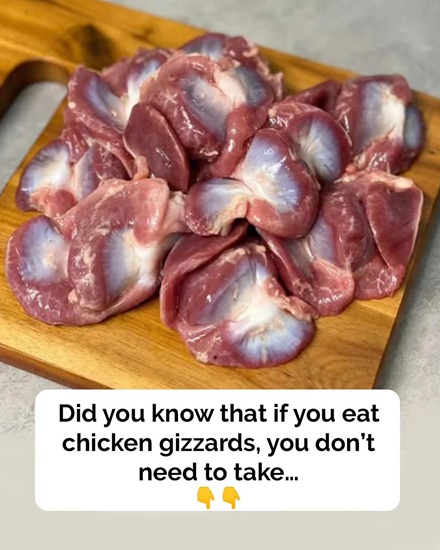
Chicken gizzards are often overlooked in favor of familiar cuts such as breasts, thighs, and wings, but they can be a nutritious and inexpensive addition to a balanced diet. A gizzard is part of a bird’s digestive system, and because chickens do not have teeth, this powerful muscular organ helps grind food before it continues through digestion. Once cleaned and properly cooked, gizzards have a rich savory flavor and a dense texture that can become considerably more tender with slow cooking.
They are eaten in cuisines around the world and can be prepared by simmering, braising, grilling, frying, or adding them to soups and stews. Nutritionally, chicken gizzards provide a substantial amount of high-quality protein along with several important micronutrients. According to USDA-derived nutrition data, cooked chicken gizzards provide roughly 30 grams of protein per 100 grams, although the exact nutritional values depend on portion size and preparation.
They also provide vitamin B12, iron, zinc, selenium, phosphorus, and other nutrients. This makes them a nutrient-dense food, although claims that they are a miracle food or that everyone needs to eat them would go beyond the available evidence.
What Exactly Is a Chicken Gizzard?
A chicken’s digestive system works differently from a human’s because birds lack teeth for chewing. Food first passes through other parts of the digestive tract before reaching the gizzard, a thick-walled muscular organ that mechanically breaks food into smaller pieces. Chickens may consume small particles of grit that assist this grinding process. The gizzard’s powerful muscles explain why the meat has a firmer texture than many familiar cuts of poultry.
That muscular structure is also the reason preparation matters. Cooking a gizzard briefly at high heat without tenderizing it can produce a very chewy result. Slow, moist cooking allows connective tissue to soften and generally makes the meat easier to chew. Depending on the dish, cooks may simmer or braise gizzards before finishing them through frying, grilling, or sautéing.
Gizzards belong to the broader category commonly called organ meats or offal. The word may discourage people who are unfamiliar with these foods, but organ meats have long been eaten in many culinary traditions. Hearts, liver, kidneys, and gizzards all fall broadly within this category, although their nutritional profiles differ significantly. Therefore, nutritional claims about liver or kidneys should not automatically be applied to chicken gizzards.
They Provide Plenty of Protein
One of the strongest nutritional advantages of chicken gizzards is their protein content. Protein supplies amino acids the body uses for maintaining and repairing tissues and producing enzymes, hormones, and other essential compounds. Protein needs vary according to factors such as body size, age, overall diet, pregnancy, and physical activity, so there is no single serving of gizzards that everyone needs.
Chicken gizzards can nevertheless contribute meaningfully toward daily protein intake. Their protein content makes them an alternative to more familiar poultry cuts, particularly for people who already enjoy organ meats. Athletes and physically active people may appreciate the protein, but there is no evidence that gizzards uniquely build muscle better than other adequate sources of high-quality dietary protein.
Preparation also matters when considering the overall nutritional value of a meal. A slowly braised portion of gizzards served with vegetables will have a very different calorie, sodium, and fat profile from gizzards coated heavily in flour and deep-fried. The nutritional properties of the original ingredient are therefore only one part of the finished dish.
Vitamin B12 Is Another Advantage
Chicken gizzards provide vitamin B12, an essential nutrient involved in neurological function, DNA synthesis, and healthy red blood cell formation. Vitamin B12 naturally occurs primarily in animal-derived foods, which makes meat and other animal products important sources for many people.
A deficiency in vitamin B12 can produce significant health problems, but eating gizzards should not be presented as a treatment for an established deficiency. People who are deficient may require evaluation to determine the cause, because problems absorbing vitamin B12 can occur even when someone’s diet contains the vitamin. Supplements or other medical treatment may sometimes be necessary.
For people without a deficiency, gizzards can simply be one of several foods contributing B12 to an overall varied diet. Other sources include fish, meat, poultry, eggs, dairy products, and fortified foods.
Gizzards Also Contain Iron
Iron is another important mineral found in chicken gizzards. The body needs iron to make hemoglobin, the protein in red blood cells responsible for carrying oxygen. Insufficient iron can eventually contribute to iron-deficiency anemia, which may cause symptoms including fatigue and weakness.
Animal foods provide heme iron, which is generally absorbed more efficiently than nonheme iron from plant sources. Gizzards can therefore contribute dietary iron, but describing them as something that “prevents anemia” would be too strong. Anemia has numerous potential causes, and iron deficiency itself may result from inadequate intake, blood loss, absorption problems, pregnancy, or other medical circumstances.
Anyone concerned about persistent fatigue or possible anemia should seek appropriate medical evaluation rather than attempting to diagnose or treat the condition solely through dietary changes.
Zinc and Selenium Add to Their Nutritional Profile
Chicken gizzards also contain zinc and selenium. Zinc supports numerous biological functions, including immune function, DNA synthesis, wound healing, and normal growth. The body does not maintain a specialized storage system for zinc, making regular dietary intake important.
Selenium is another essential micronutrient. It contributes to the function of enzymes involved in thyroid hormone metabolism, DNA synthesis, reproduction, and protection against oxidative damage. As with other nutrients, however, more is not necessarily better. A balanced diet can usually provide appropriate amounts without deliberately consuming extremely large quantities.
The presence of zinc and selenium does not mean that gizzards “boost” the immune system in the sense of making someone resistant to disease. A more accurate statement is that these nutrients contribute to normal immune function as part of adequate nutrition.
They Can Be Relatively Lean
Plain chicken gizzards can be relatively lean compared with some fattier cuts of meat. Their exact fat content varies according to preparation and whether additional oil, butter, breading, or sauces are used.
This distinction matters because a nutritious ingredient can become a considerably different meal after preparation. Deep-frying gizzards adds fat and calories, while salty marinades and sauces can substantially increase sodium.
People who enjoy fried gizzards do not necessarily need to avoid them completely. Rather, preparation method, serving size, and the rest of the diet determine how they fit into an individual’s eating pattern.
Simmering, braising, pressure-cooking, or grilling can provide alternatives for people looking to prepare gizzards without heavy breading or large amounts of added oil.
An Economical Part of the Chicken
Gizzards have traditionally been valued partly because using organ meats allows more of an animal to become food rather than concentrating only on a few popular cuts. Depending on location and retailer, gizzards can also be less expensive than chicken breast, steak, or other commonly purchased meats.
Prices vary substantially between countries, stores, and seasons, however. It would therefore be misleading to promise that gizzards will always cost only a particular amount per pound.
Where they are inexpensive, they can be useful for households seeking additional protein options while managing food costs. Their long culinary history also demonstrates that economical ingredients do not have to produce uninteresting meals.
The key is learning how to prepare their distinctive texture.
Why Gizzards Can Be Tough
A gizzard is an extremely active muscle, so its texture is naturally firm. Someone trying gizzards for the first time may be surprised by how chewy they can become if cooked quickly.
Longer cooking with moisture generally helps.
A gentle simmer or braise can soften the meat before it is used in another dish. Pressure cookers can also reduce cooking time considerably while producing a tender result.
Cooking time cannot be reduced to one universal number because gizzard size, cooking temperature, equipment, and desired texture vary. Recipes promising that every batch will become perfectly tender after exactly 30 or 45 minutes may therefore be unreliable.
Checking tenderness during cooking is more practical.
Simmering and Braising
One of the simplest preparations is to simmer cleaned gizzards in water or broth with aromatics such as onion, garlic, herbs, or spices.
Keeping the liquid at a gentle simmer allows the meat to tenderize gradually.
Once tender, the gizzards can be sliced and added to soups, rice dishes, gravies, or stews.
Braising works on a similar principle but usually involves cooking the meat slowly in a smaller quantity of flavorful liquid.
Tomatoes, onions, broth, herbs, and spices can all work well depending on the cuisine.
These moist-heat methods are particularly useful for people who find the natural chewiness of gizzards difficult.
Fried Gizzards
Fried chicken gizzards are popular in parts of the United States and elsewhere. A common method involves tenderizing them first, coating them in seasoned flour, and frying until the exterior becomes crisp.
Food safety is important whenever poultry is prepared. The USDA recommends cooking poultry, including giblets, to a safe minimum internal temperature of 165°F (73.9°C), measured with a food thermometer.
Raw poultry should also be handled carefully to prevent cross-contamination. Hands, utensils, cutting boards, and surfaces that contact raw chicken should be cleaned appropriately before being used with ready-to-eat foods.
Deep-fried gizzards will naturally contain more added fat and calories than simmered versions, so they are best understood as one preparation among many rather than the only way to enjoy them.
Stir-Fried Gizzards
Tenderized gizzards can also work well in stir-fries.
After simmering or pressure-cooking, they can be sliced thinly and quickly cooked with onions, peppers, garlic, ginger, or other vegetables.
The short second cooking stage allows the exterior to brown while avoiding the toughness that can occur when raw gizzards are simply placed in a hot pan and cooked briefly.
Seasonings can vary enormously. Soy-based sauces work well in some preparations, while chili, cumin, paprika, or herb mixtures can create entirely different results.
Serving the finished dish with rice, noodles, or vegetables can turn a relatively small amount of meat into a complete meal.
Grilling Is Another Option
Gizzards can also be grilled, particularly after being tenderized.
Marinades containing garlic, herbs, spices, citrus, vinegar, or soy sauce can add flavor. However, acidic ingredients do not automatically transform tough gizzards into tender meat, so adequate cooking remains important.
Skewering smaller pieces can make them easier to handle on the grill.
As with all poultry, safe cooking temperature remains important.
Grilling can produce browned or lightly charred surfaces that contrast nicely with the dense interior.
This approach is common in several culinary traditions where grilled chicken organs are valued rather than discarded.
Slow Cooking
A slow cooker can be especially useful for gizzards because the meat responds well to extended moist cooking.
Gizzards can be combined with broth, onions, garlic, vegetables, and seasonings and allowed to cook gradually until tender.
The resulting meat can be served directly with the cooking liquid or incorporated into another recipe.
Slow cooking also allows flavors from herbs and spices to develop over time.
However, standard food-safety practices still apply. Frozen poultry should generally be thawed safely before slow cooking rather than being placed into equipment that may take too long to bring it through unsafe temperature ranges.
Gizzards Around the World
Gizzards are not simply an unusual substitute for chicken breast. They have established places in numerous cuisines.
Filipino preparations may use gizzards in adobo-style dishes with vinegar, soy sauce, garlic, and seasonings.
In other cuisines, gizzards appear in soups, stews, skewers, gravies, rice dishes, or fried preparations.
They can also be sliced and added to salads after cooking and cooling.
The ingredient’s neutral-to-savory flavor makes it adaptable to strong seasoning.
Rather than searching for a single “best” recipe, people trying gizzards for the first time may find it useful to explore preparations from cultures where they are already a familiar ingredient.
What About Cholesterol?
Gizzards contain dietary cholesterol, so people sometimes wonder whether they should avoid them.
Current nutritional understanding is more nuanced than the older idea that every food containing cholesterol must automatically be avoided. Dietary patterns, saturated fat intake, genetics, existing cardiovascular risk factors, and overall health all matter.
People who have been advised by a physician or registered dietitian to limit specific foods should follow individualized guidance.
For everyone else, portion size and overall dietary pattern are generally more meaningful than focusing on a single food in isolation.
A serving of gizzards alongside vegetables, whole grains, legumes, or other nutrient-rich foods can fit differently into a diet than a large serving of heavily fried gizzards eaten frequently.
Gout and Purines Deserve Attention
Organ meats can contain substantial amounts of purines. The body breaks purines down into uric acid, and high uric acid levels are involved in gout.
People with gout are often advised to limit or avoid certain high-purine animal foods, particularly organ meats. The American College of Rheumatology recommends limiting purine intake as part of dietary management for people with gout, although medication and other health factors can also be important.
Someone with gout should therefore not interpret the nutritional benefits of gizzards as a reason to consume them frequently without considering their individual medical circumstances.
Dietary advice for gout should be personalized where possible.
Antibiotics and Poultry Require More Nuance
One claim that should be corrected from older versions of this discussion is that buying organic chicken is “the only way” to reduce risks related to antibiotic resistance.
That is not accurate.
Antimicrobial resistance is a major global public-health concern, and antibiotic use in food-producing animals is one part of a complex issue. However, consumers cannot solve antimicrobial resistance simply by switching to organic gizzards.
In the United States, federal rules already restrict antibiotic use in poultry production in important ways, and raw poultry—organic or conventional—still needs to be handled and cooked safely.
Organic certification may matter to consumers for several reasons, but organic poultry is not required for chicken gizzards to be nutritious.
Food Safety Matters More Than Whether They Are Trendy
Because gizzards are poultry, safe handling is essential.
Raw chicken products can carry harmful microorganisms. Avoid allowing raw juices to contact salads, cooked food, utensils, or kitchen surfaces that will not subsequently be cleaned.
Washing raw poultry under running water is generally discouraged because splashing can spread bacteria around the sink and nearby surfaces.
Cooking is what destroys harmful bacteria.
Use a food thermometer and ensure the gizzards reach the recommended safe temperature.
Leftovers should also be refrigerated promptly rather than being left at room temperature for extended periods.
These ordinary precautions make a much greater practical difference than many exaggerated food claims circulating online.
Are Chicken Gizzards a “Superfood”?
Calling gizzards a superfood may sound appealing, but the term has no standardized scientific definition.
They are better described as a nutrient-dense animal food that provides protein and several useful vitamins and minerals.
They do not prevent every illness.
They do not uniquely build muscle.
They do not guarantee higher energy levels.
And they are not necessarily the ideal food for every person.
What makes them interesting is considerably simpler: they provide substantial nutrition from a part of the chicken that many consumers overlook.
The Bottom Line
Chicken gizzards deserve more attention than they often receive. They provide high-quality protein along with nutrients including vitamin B12, iron, zinc, and selenium. They can also be relatively lean when prepared without large amounts of added fat.
Their biggest culinary challenge is texture. Because the gizzard is a powerful muscular organ, cooking it too quickly can leave it unpleasantly chewy. Simmering, braising, pressure-cooking, or slow cooking before grilling, sautéing, or frying can produce a much more tender result.
They are also remarkably versatile. Gizzards can appear in adobo, soups, stews, stir-fries, grilled skewers, rice dishes, salads, or crispy fried preparations.
People with gout or specific dietary restrictions may need to limit them, and anyone managing a medical condition should follow individualized professional guidance rather than relying on generalized nutrition claims online.
For everyone else who enjoys their flavor, properly cooked chicken gizzards can simply be another useful ingredient in a varied diet.
They do not need exaggerated promises to be worthwhile.
Their combination of protein, micronutrients, culinary versatility, and often modest price is already a strong enough reason to give this frequently overlooked part of the chicken a chance.
