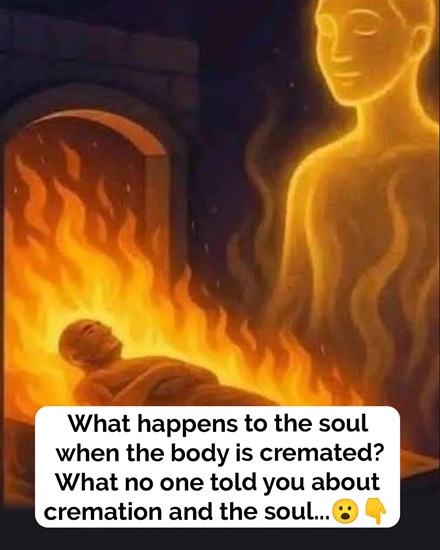
Death is one of the few experiences every human being shares, yet it remains one of the least discussed topics in everyday life. Conversations about the end of life are often avoided because they can be emotional, uncomfortable, or deeply personal. However, many people naturally become curious about what happens after someone dies, especially when they are faced with the loss of a loved one. One subject that frequently raises questions is cremation.
While it has become increasingly common in many parts of the world, misconceptions and uncertainty still surround the process. Learning how cremation works can help replace fear with understanding and allow families to make informed decisions during an already difficult time. For many families, cremation is chosen because it reflects personal wishes, religious beliefs, financial considerations, or environmental preferences.
Others may simply feel that it offers flexibility when planning memorial services or deciding where to keep or scatter a loved one’s ashes. Whatever the reason, funeral professionals emphasize that cremation is carried out according to carefully established procedures designed to ensure dignity, respect, and accurate identification throughout every stage of the process. Understanding these procedures can provide reassurance to people who may feel uncertain about what actually happens behind the scenes….
One of the most common questions families ask is how they can be confident that the cremated remains they receive truly belong to their loved one. Funeral directors explain that licensed crematories follow strict identification procedures from the moment a person arrives until the remains are returned to the family. In many facilities, each individual is assigned a durable identification tag or metal identification disc containing a unique registration number.
-This identifier remains with the deceased throughout the entire cremation process and is checked repeatedly as part of established protocols. After cremation is complete, the remains are placed into an appropriately labeled container along with the identifying information, and families generally receive official documentation confirming the cremation.

Because cremation involves such an important responsibility, licensed funeral homes and crematories are typically required to follow local laws and professional standards. Although regulations differ between countries and regions, the primary goal remains the same: ensuring respectful handling of the deceased while maintaining accurate identification. These procedures are designed to minimize the possibility of errors and provide confidence to grieving families during an emotionally challenging time. Funeral professionals often encourage families to ask questions about their local crematory’s policies so they fully understand how identification is maintained.
Many funeral professionals also say that people frequently ask questions they worry might sound unusual or embarrassing. In reality, those working in funeral care understand that families simply want honest information. Questions about medical devices, personal belongings, clothing, jewelry, or other practical matters are very common. Funeral directors generally welcome these conversations because they help families better understand what to expect while also reducing unnecessary anxiety about the process…
For example, certain medical devices, including many pacemakers and similar implanted equipment, must usually be removed before cremation because they may present a safety risk when exposed to extremely high temperatures. Funeral staff carefully inspect the deceased and review available medical information before cremation takes place. Other personal items are handled according to established procedures and, when appropriate, family wishes. Throughout every step, the focus remains on treating the deceased with dignity while maintaining safe operating conditions.
Another area that often raises questions involves how funeral professionals care for the body before cremation. Every situation is different depending on local laws, the family’s preferences, and whether additional procedures such as embalming or a medical examination have taken place. Funeral professionals explain that the body is prepared respectfully, following both legal requirements and professional ethical standards. Families can discuss any specific concerns directly with the funeral home to better understand what procedures will occur in their individual circumstances.

-While practical questions are common, many people are equally interested in the spiritual meaning of cremation. Unlike the technical aspects of the process, beliefs about what happens after death vary widely among religions, cultures, and individuals. There is no single universal answer because these questions are rooted in faith, philosophy, and personal conviction rather than scientific evidence. Understanding these different perspectives can help people appreciate why cremation is viewed differently around the world.
In Hinduism, cremation has traditionally been considered an important religious practice. Many Hindus believe that the soul is eternal and continues its journey beyond physical death. Fire is viewed as a sacred element that symbolizes purification and helps release the soul from the physical body. Cremation therefore represents far more than a practical method of caring for the deceased; it is understood as an important religious ritual connected to beliefs about reincarnation and the soul’s continuing journey.
Many Buddhist traditions also practice cremation, although beliefs vary among different schools of Buddhism. Rather than emphasizing an eternal individual soul, many Buddhist teachings focus on impermanence and the continuation of existence through cycles of rebirth. Funeral ceremonies often encourage reflection on the temporary nature of life while expressing gratitude for the person’s life and offering compassion to those who are grieving. Cremation is commonly viewed as part of this broader understanding of life’s changing nature.
Within Christianity, attitudes toward cremation have evolved over time. Historically, burial was more common because of long-standing religious traditions. Today, however, many Christian denominations accept cremation while continuing to emphasize beliefs about resurrection, eternal life, and the importance of faith. Many churches teach that God’s ability to grant resurrection is not limited by the physical condition of the body. As a result, whether someone is buried or cremated is generally understood as separate from their spiritual relationship with God.
Islam generally teaches that the body should be buried rather than cremated. Islamic funeral traditions emphasize simplicity, dignity, and prompt burial whenever possible. Muslims believe the body deserves respectful treatment after death, and burial reflects long-established religious teachings. Funeral practices are therefore carried out according to Islamic guidance, with considerable importance placed on honoring the deceased through traditional rites and community support.
Outside organized religion, many people approach cremation from a personal or secular perspective. Some view it as an environmentally conscious choice, while others appreciate its flexibility for memorial planning. Individuals without specific religious beliefs may see cremation as a practical way of returning the body to nature or simply as one of several respectful methods of handling human remains. Others believe that the legacy a person leaves through family, friendships, kindness, and contributions to society is what continues after death.
Regardless of personal beliefs, grief experts emphasize that every person’s experience of loss is unique. There is no single correct way to mourn or remember someone who has died. Some families choose traditional funeral services before cremation, while others prefer small private gatherings or celebrations of life held weeks or months later. Cremation offers flexibility that allows families to create memorials that reflect the wishes, values, and personality of the individual being honored.
Funeral professionals also encourage open communication before a death occurs whenever possible. Discussing end-of-life preferences with family members can reduce uncertainty during an emotionally difficult period. Conversations about burial, cremation, memorial services, and personal wishes may feel uncomfortable at first, but they often provide valuable guidance for loved ones who will eventually be responsible for making important decisions.
Ultimately, cremation is one of several respectful ways families choose to honor someone who has passed away. Licensed funeral professionals work to ensure that established procedures are followed carefully, that identification remains accurate throughout the process, and that every individual is treated with dignity. While beliefs about what happens after death differ across cultures and religions, many people find comfort in remembering that the most lasting legacy of a loved one is often found in the relationships they built, the kindness they shared, and the memories they leave behind. By learning more about cremation and approaching the subject with understanding rather than fear, families can make thoughtful decisions that reflect both practical needs and deeply held personal values.
