By the time emergency responders arrived at the scene, the immediate danger had already passed, though the emotional shock remained. The children were safely removed from the situation, wrapped in blankets as neighbors stood nearby in stunned silence. Law enforcement officers secured the area while paramedics ensured everyone involved was medically evaluated. The atmosphere was heavy, with witnesses trying to process what had just unfolded in what was otherwise a quiet residential neighborhood.
Authorities detained the father at the scene, and an investigation was opened to understand the circumstances leading up to the incident. Officials worked to determine the sequence of events and any underlying factors that contributed to the crisis. In the aftermath, the local community struggled to make sense of what had occurred. Conversations quickly shifted toward concern for the children and questions about how unnoticed emotional or psychological strain may escalate into crisis situations.
Mental health professionals and local support organizations were brought in to assist the family and provide guidance. Community leaders emphasized the importance of early intervention and encouraging individuals to seek help before situations reach breaking points. As discussions continued, many residents reflected on the broader issue of hidden mental and emotional struggles. The incident became a reminder that outward appearances can often mask significant internal distress.

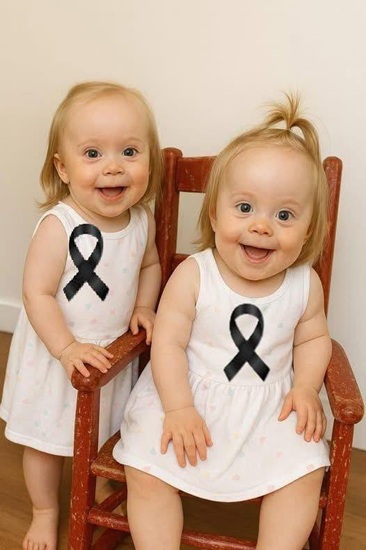
In a separate and unrelated medical situation, Mallory Carlson’s life as a mother of three was defined by an entirely different kind of crisis, centered around the severe illness of her twin daughters. Her daughters, Josie and Lucy, initially began showing symptoms that appeared similar to common childhood illnesses. These included fatigue, fever, and changes in appetite, which at first did not clearly indicate a serious underlying condition.
As symptoms persisted, Mallory sought further medical attention, advocating strongly for additional testing when initial evaluations did not immediately reveal a clear diagnosis. Her persistence eventually led to more comprehensive examinations. Following a medical emergency involving Josie, doctors conducted blood tests that revealed a diagnosis of infant acute lymphoblastic leukemia, a rare and aggressive form of childhood blood cancer requiring immediate treatment.
Given the identical twin relationship between Josie and Lucy, medical professionals recommended that Lucy also undergo testing. Subsequent results confirmed that both children were affected by the same illness. Doctors explained that in rare cases involving monochorionic/diamniotic twins, medical complications during pregnancy can allow abnormal cells to transfer between shared circulatory systems in the womb, leading to complex diagnostic situations.

The diagnosis profoundly altered the family’s daily life, shifting their focus entirely toward intensive medical treatment and long-term care planning. Both children were admitted into specialized pediatric oncology care.
The family entered an experimental clinical trial at a major children’s hospital, where the twins began undergoing chemotherapy and closely monitored treatment protocols designed for high-risk pediatric leukemia cases. While the treatment offered hope, medical professionals also communicated that outcomes in such cases can be uncertain, and ongoing monitoring would be required to assess response and potential long-term risks.
The emotional and financial strain on the family increased significantly, as both parents adjusted their responsibilities to support the children’s medical needs and manage household stability. Mallory temporarily paused her professional photography work in order to dedicate her time to hospital visits, caregiving, and coordination with medical teams overseeing her daughters’ treatment plans.
Her husband continued working due to financial necessity, balancing employment responsibilities with frequent emotional and logistical challenges related to the ongoing medical situation. The couple also sought support services for their young son, who was affected emotionally by the changes in family structure, hospital visits, and uncertainty surrounding his sisters’ condition.
Support networks, including friends and community members, organized fundraising efforts to help cover medical expenses and associated costs, highlighting the broader impact of serious childhood illness on families. Despite the severity of the diagnosis, early phases of treatment showed some positive response, offering cautious optimism while medical teams emphasized that recovery would require long-term monitoring and continued therapy.
Mallory has spoken about the emotional complexity of seeing her daughters appear healthy in brief moments outside the hospital while knowing the seriousness of their underlying condition. Medical professionals involved in pediatric oncology stress that such cases require not only advanced treatment but also long-term emotional and psychological support for both patients and families.
The family’s experience underscores the unpredictable nature of rare pediatric diseases and the importance of continued research, funding, and access to specialized treatment programs.
Throughout the ongoing treatment process, the family remains focused on stability, care, and hope, while acknowledging the uncertainty that accompanies complex medical conditions in early childhood. Their story reflects the broader challenges faced by families navigating serious illness, including emotional resilience, medical uncertainty, and the critical role of support systems in long-term care.
