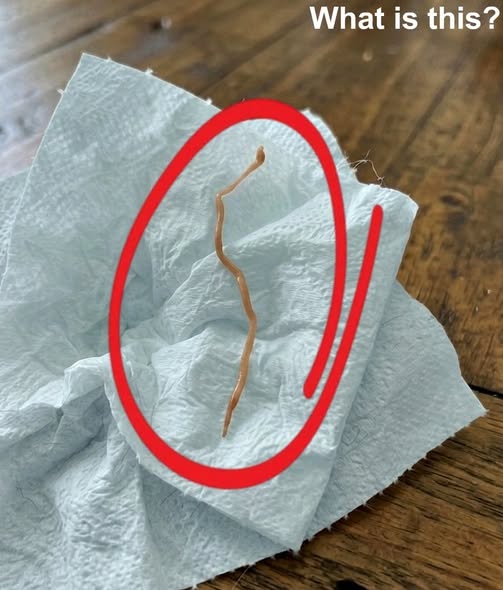
I was preparing a simple, savory dinner for my family when I noticed something unsettling moving inside the pan. For a brief moment, my mind froze, convinced I was witnessing something alive in my food. The shape twisted slightly in the hot oil, and my first instinct was pure panic. I imagined contamination, parasites, and every worst-case scenario my imagination could generate in seconds of shock. My breathing became shallow as I stepped back from the stove.
The kitchen, which moments earlier felt ordinary and safe, suddenly felt unfamiliar and threatening in a way I could not immediately explain. My thoughts raced toward the most disturbing possibilities. I worried about food safety, hidden bacteria, and whether I had unknowingly exposed my family to something dangerous through a routine meal. For a few seconds, I stood completely still, trying to decide whether I should throw everything away.
Fear tends to amplify small uncertainties into overwhelming conclusions before logic has a chance to respond. Eventually, I forced myself to calm down and look more carefully. I reminded myself that heat can change textures and shapes in unexpected ways, especially in meats and fatty cuts. I picked up a utensil and gently examined the object in the pan. The closer I looked, the more my initial fear began to lose its grip on reality.

What I had assumed was something alive turned out to be something completely ordinary. It was a natural strand of connective tissue within the meat, reacting to heat and contraction. As it cooked, the tissue had tightened and curled in a way that closely resembled movement. This visual illusion had triggered my instinctive fear response before rational thinking could intervene.
Understanding this did not immediately erase the discomfort I felt. The emotional reaction lingered, even after I knew there was no actual danger in the situation. My appetite faded quickly, replaced by a strange mix of relief and embarrassment. It was difficult to reconcile how strongly my mind had reacted to something so ordinary.
I stood by the sink for a while afterward, letting the water run while I processed what had just happened. My heartbeat slowly returned to normal as the tension eased. The experience made me reflect on how easily perception can be distorted. A simple change in texture or angle can completely alter how the brain interprets familiar things.
In daily life, we often rely on quick assumptions to interpret what we see. These instincts are helpful for survival, but they are not always accurate in modern environments. When something appears unusual, the brain often fills in the gaps with fear-based interpretations. This automatic response can create stress even when no real threat exists.
Looking back, I realized I had encountered that same type of tissue many times before. It had never looked alarming in previous meals, only in that specific moment of cooking. Heat, timing, and lighting combined to create an illusion that my mind misread. The situation was not dangerous, but it demonstrated how easily perception can be influenced. I decided not to continue cooking that meal. The emotional reaction had already broken the sense of comfort I normally associate with preparing food at home.
Instead, I stepped away from the kitchen and chose something simpler for dinner. Giving myself distance helped reduce the lingering tension from the experience. While sitting afterward, I thought about how often people experience similar moments in different forms. Small misunderstandings can quickly grow into unnecessary worry. The mind is designed to protect us, but it sometimes overreacts when information is incomplete. In those moments, fear can arrive faster than understanding.
What stayed with me most was not the object itself, but the speed of my reaction. It showed how quickly imagination can transform something ordinary into something frightening. Over time, I came to see the experience as a reminder to slow down mentally. Taking a second look can often change everything about how a situation feels.
Not every unfamiliar sight is a threat, even when it appears that way at first. Sometimes it is simply a familiar element seen under unfamiliar conditions. That evening left me with a lasting lesson about perception and patience. Fear is powerful, but clarity often appears when we give ourselves enough time to observe.
The next time something unexpected appears, I hope to remember that moment in the kitchen. A closer look can often replace panic with understanding. And sometimes, what feels like danger is only a normal part of life briefly disguised by perspective and timing.
