Robert Downey Jr. is widely regarded as one of the most influential and recognizable actors of modern cinema, with a career that spans decades of dramatic highs, difficult lows, and a widely documented professional resurgence. His journey is often discussed not only in terms of film success, but also as an example of long-term personal recovery and transformation within the entertainment industry. Over time, his life story has become closely associated with themes of resilience, accountability, and rebuilding a career after significant setbacks.
Born in New York City in 1965, Robert Downey Jr. was raised in a creative household deeply connected to the film industry. His father, Robert Downey Sr., was an independent filmmaker known for experimental and underground productions, while his mother, Elsie, was also involved in acting. Growing up in this environment exposed him early to artistic expression and filmmaking, giving him firsthand experience in performance from a very young age. His early introduction to acting came through his father’s projects, which placed him in front of the camera during childhood.
As he developed into adolescence, Downey Jr. began to pursue acting more seriously, attending training programs and gradually building his skills. By the 1980s, he had entered Hollywood as part of a generation of young actors who were gaining attention for their talent and screen presence. Films from this era showcased his natural charisma and emotional range, helping establish him as a promising figure in the industry. His early performances demonstrated a combination of intelligence, intensity, and adaptability that set him apart from many of his peers.
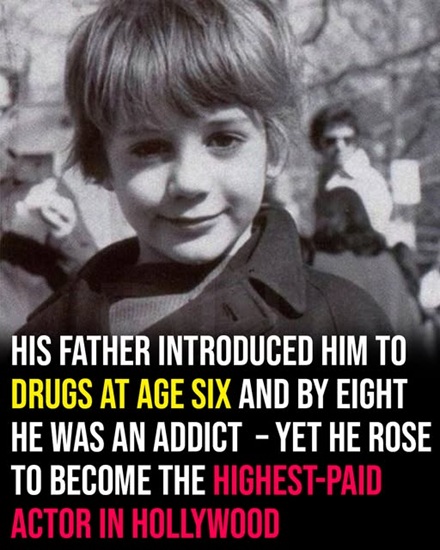
However, alongside his rising career, he also faced significant personal challenges. It is widely documented that his upbringing included exposure to substance use within his family environment, which later contributed to long-term struggles with addiction. These difficulties increasingly affected both his personal life and professional trajectory. While he continued to work in film during this period, his reliability and stability were often impacted, leading to interruptions in his career and strained professional relationships.
Throughout the late 1980s and 1990s, Downey Jr.’s career experienced both critical praise and significant instability. He delivered acclaimed performances in several films, but his personal struggles frequently overshadowed his professional achievements. During this time, he was also involved in relationships that were affected by the pressures of addiction and instability. These experiences were later reflected upon in interviews by those close to him, who described the challenges of supporting someone dealing with long-term substance dependence.
As his struggles intensified, Downey Jr. faced multiple legal issues and periods of incarceration and rehabilitation. These events were widely reported in the media and marked a difficult chapter in his life and career. During this period, he was temporarily unable to work consistently in Hollywood, and many industry observers believed his career might not recover. The combination of legal consequences and professional setbacks created one of the most challenging phases of his life.
Despite these circumstances, his story did not end there. In the early 2000s, he began a sustained process of recovery that would ultimately change the direction of his life. This period involved structured rehabilitation, personal accountability, and long-term commitment to sobriety. Unlike short-term attempts at recovery, this phase marked a gradual and sustained effort to rebuild both his personal stability and professional reputation.
By the mid-2000s, Downey Jr. began returning to acting in smaller roles, carefully rebuilding trust within the film industry. Directors and producers gradually began to recognize his renewed reliability and talent, allowing him to take on more significant projects over time. His performances during this period were widely praised, demonstrating not only that his abilities remained intact, but that his life experiences had added depth and maturity to his acting.
A major turning point in his career came with his casting as Tony Stark in the Marvel Cinematic Universe, beginning with Iron Man in 2008. At the time, this casting decision was considered a significant risk due to his past struggles. However, the performance proved to be highly successful, both critically and commercially. His portrayal of Tony Stark became a defining role in modern cinema, helping to launch one of the most successful film franchises in history.
Following this breakthrough, Downey Jr. became one of the most prominent figures in global entertainment. His involvement in the Marvel franchise brought him international recognition, financial success, and renewed critical acclaim. Over time, he transitioned from being an actor rebuilding his career to one of the highest-paid and most influential performers in the industry. His success during this period is often cited as one of the most notable career comebacks in Hollywood history.
Alongside his professional achievements, Downey Jr. has also spoken publicly about his recovery journey and the importance of long-term sobriety. His experiences have been referenced in discussions about addiction recovery, particularly in relation to the challenges of maintaining stability in high-pressure environments. While he does not position himself as a spokesperson, his personal history is frequently cited as an example of sustained recovery over time.
In his personal life, he has built a more stable foundation, including marriage and family life. He has spoken in various interviews about the importance of structure, support systems, and long-term commitment to personal well-being. These aspects of his life are often viewed as contributing factors to his continued stability and professional consistency in later years.
Downey Jr.’s journey is also often discussed in relation to broader themes within the entertainment industry, including second chances, rehabilitation, and the long-term impact of addiction. His career demonstrates how individuals can re-establish themselves professionally after significant setbacks, provided there is sustained effort and opportunity. His story is frequently used in cultural discussions about resilience and transformation.
In conclusion, Robert Downey Jr.’s life and career reflect a complex and highly documented trajectory that includes early artistic exposure, significant personal challenges, legal and professional setbacks, and a major career resurgence. His role as Tony Stark became a defining moment that reshaped his public image and re-established his place in global cinema. While his past remains an important part of his story, his later achievements highlight the possibility of long-term recovery, professional renewal, and sustained success.
