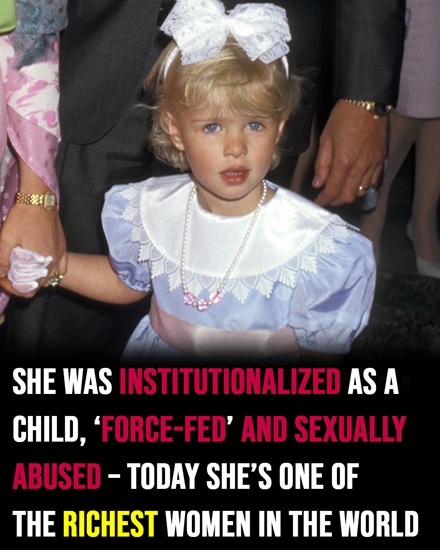
For years, Paris Hilton was known around the world as the glamorous heiress who seemed to live a perfect life filled with luxury, fashion, celebrity parties, and constant media attention. During the early 2000s, her name dominated magazines, television programs, and entertainment headlines almost daily. Many people viewed her as the ultimate symbol of wealth and Hollywood excess. With her signature blonde hair, designer outfits, reality television fame, and carefully crafted public image, she became one of the most recognizable celebrities of her generation.
Yet behind the glamorous lifestyle and carefully controlled public persona was a far more painful story that remained hidden from the public for decades. Born in 1981 into the wealthy Hilton hotel family, Paris spent much of her childhood moving between luxurious homes in places like Beverly Hills, New York City, and the Hamptons. Her upbringing appeared glamorous from the outside, but she later explained that her family environment was extremely strict and conservative. Her parents closely monitored her behavior and placed strong limits on dating, clothing, makeup, and social activities.
Paris later admitted that she often felt trapped between the expectations of her family and her own desire for independence. Despite eventually becoming famous for her glamorous image, family members described her as adventurous and tomboyish as a child, fascinated by animals and dreaming of becoming a veterinarian. As she entered her teenage years, Paris began rebelling against the strict structure surrounding her life. She started sneaking out at night, attending parties, and skipping school.

Her behavior worried her parents, who believed she was falling into dangerous influences. According to Paris, her family became especially alarmed after discovering that she had become involved with older individuals at a young age. Concerned about her behavior and unable to control her rebellious lifestyle, her parents eventually made the decision to send her away to several boarding schools and treatment facilities designed for troubled teenagers.
Years later, Paris publicly described those institutions as deeply traumatic environments that permanently affected her mental health and emotional well-being. In her documentary This Is Paris, she spoke openly for the first time about the alleged abuse she experienced while attending a boarding school in Utah. She described being forced to sit silently for hours, screamed at by staff members, stripped of privacy, and subjected to humiliating punishments. According to her testimony, students were allegedly forced to take unidentified medications that left them emotionally numb and physically exhausted.

She also claimed that fear controlled the environment, making students too terrified to speak openly about what was happening. Paris explained that the trauma from those years followed her long into adulthood. For decades, she kept her experiences hidden from the public while continuing to build her celebrity career. She admitted that she developed recurring nightmares connected to those memories and struggled with severe anxiety, insomnia, and emotional distress.
In interviews, she described waking up terrified after dreaming about being kidnapped and taken back to those institutions. According to Paris, she remained silent for years because staff members convinced her that no one would believe her if she ever spoke out about the abuse. As her fame exploded during the early 2000s through reality television, modeling, endorsements, and nightlife appearances, Paris carefully created a public image that hid her emotional pain.
She became known as the playful, glamorous “party girl” whose life appeared carefree and exciting. Shows like The Simple Life turned her into an international pop culture phenomenon. However, Paris later admitted that much of that public personality functioned as emotional protection. Behind the famous voice, catchphrases, and glamorous lifestyle was someone still carrying unresolved trauma from her teenage years.

Over time, Paris began realizing that remaining silent about those experiences only allowed similar abuse to continue affecting vulnerable teenagers. Eventually, she decided to publicly share her story and become an advocate for reform within the troubled teen industry. Her decision shocked many people who had only known her through tabloid headlines and reality television. Instead of discussing fashion or celebrity gossip, she began speaking directly to lawmakers, journalists, and survivors about the conditions she claimed existed inside certain youth treatment facilities.
Her activism quickly became one of the most important parts of her public identity. Paris met with politicians, testified before legislative bodies, and supported efforts aimed at increasing oversight and accountability for youth treatment programs across the United States. She explained that speaking publicly about her experiences became deeply healing because it allowed her to transform personal pain into action that could potentially protect other children. Many survivors of similar programs later credited Paris for helping bring attention to an issue that had remained largely ignored for years.
During interviews, Paris repeatedly emphasized that her goal was not revenge against her parents or family members. Instead, she acknowledged that her parents likely believed they were making the best possible decision based on the information they had at the time. Becoming a parent herself later gave her additional perspective regarding why her family had acted so protectively during her teenage years. She admitted that parenthood made her better understand the fears parents experience when they worry about their children’s safety and future.

Despite the emotional trauma she endured, Paris also built one of the most successful celebrity business empires in modern entertainment history. Over the years, she expanded far beyond reality television into fashion, fragrances, technology investments, music, and international branding. Her product lines generated billions of dollars in global sales, while her DJ career turned her into one of the highest-paid female DJs in the world. What many critics once dismissed as superficial fame gradually evolved into a highly successful business career built on branding, marketing, and entrepreneurship.
In recent years, Paris has spoken openly about how trauma also affected her personal relationships and journey toward motherhood. She revealed that emotional scars from her past contributed to difficulties surrounding pregnancy and fertility treatments. After years of trying to become a parent, she and her husband Carter Reum welcomed two children through surrogacy. Paris described becoming a mother as one of the most emotional and meaningful experiences of her life. She explained that raising children gave her a deeper understanding of both vulnerability and healing.
Today, Paris Hilton represents something very different from the image that once dominated tabloids during the early 2000s. Although she remains a successful businesswoman and media personality, many people now recognize her as a survivor, advocate, and influential voice for institutional reform. Her transformation from celebrity heiress to activist surprised audiences who once underestimated her intelligence and resilience. By publicly confronting painful experiences from her past, she changed the way many people viewed both her career and her personal strength.
Her story also opened larger conversations about trauma, mental health, and how society often misunderstands young people struggling emotionally during adolescence. Paris frequently speaks about how conditions like ADHD were poorly understood when she was growing up and how earlier support may have changed the direction of her teenage years. She believes that many troubled teenagers need understanding, guidance, and mental health care rather than punishment or isolation.
For many years, the world viewed Paris Hilton only through the lens of celebrity culture and entertainment headlines. But behind the glamorous image was someone quietly carrying experiences that deeply shaped her life. By finally speaking openly about those experiences, she transformed herself from a symbol of fame into someone using her platform to protect vulnerable children and advocate for lasting change. Her journey from silence and trauma toward healing and activism remains one of the most unexpected and powerful transformations in modern celebrity culture.
