An unexplained itch or a small scaly patch can be easy to ignore. In many cases, skin irritation has nothing to do with fungus, but fungal infections are common and can occur on different parts of the body. Ringworm, athlete’s foot, jock itch and some nail infections are familiar examples. Despite its name, ringworm is not caused by a worm or parasite. It is caused by fungi, and describing it as a “flesh-eating” organism would be inaccurate. Most superficial fungal infections affect keratinized tissues such as the outer skin, hair or nails rather than consuming living flesh.
Ringworm is medically known as tinea, with different names depending on the part of the body affected. Tinea corporis refers to ringworm of the body, tinea pedis is commonly called athlete’s foot, and tinea cruris is known as jock itch. Related fungi can also infect the scalp, hands and nails. These infections are common, and although they can be uncomfortable and persistent, appropriate antifungal treatment can usually eliminate them.
The fungi responsible for ringworm are known as dermatophytes. They are adapted to grow in keratin-containing tissues, which explains why infections commonly involve the skin, hair and nails. Warm and humid conditions can make fungal infections easier to develop or persist, which is one reason athlete’s foot is associated with sweaty feet and enclosed footwear. Keeping the skin clean and dry is consequently an important part of prevention.
It is also important to correct the idea that ringworm necessarily begins when dormant fungal spores already living harmlessly on everyone’s skin suddenly “wake up.” Human skin naturally supports many microorganisms, including some fungi, but dermatophyte ringworm is generally acquired through exposure to an infected person, animal, contaminated object or, less commonly, contaminated soil. Candida is different: Candida species can normally live on parts of the human body and may sometimes overgrow and cause infection under favorable conditions.
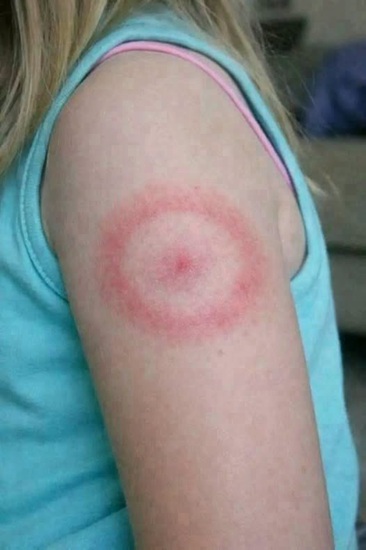
When ringworm develops on ordinary body skin, one recognizable presentation is a round or ring-shaped patch with a raised, scaly border. Depending on skin tone, the appearance can vary considerably, so a bright red ring is not always present. The infection can also look different depending on where it occurs. Athlete’s foot, scalp ringworm and jock itch do not necessarily resemble the classic circular rash people associate with the word “ringworm.”
Itching can accompany the infection, sometimes intensely, but appearance alone is not always enough to establish a diagnosis. Eczema, psoriasis and other skin conditions can resemble fungal infections. Dermatologists can often recognize ringworm through examination, but when necessary they can collect a small sample of skin, hair or nail material and examine or test it for fungus. Correct diagnosis matters because treatments appropriate for one skin condition may be ineffective for another.
Fungal nail infections, also called onychomycosis, develop differently from a typical skin rash. An affected nail may become thicker, brittle, crumbly or discolored. Toenails are particularly commonly affected, although fingernails can also become infected. These infections usually are not medically serious in otherwise healthy people, but they can be stubborn and require months of treatment because healthy nails grow slowly.
Contrary to frightening descriptions sometimes found online, an infected nail does not necessarily become painful or inevitably separate from the nail bed. Many fungal nail infections are painless. Changes can nevertheless become extensive, and anyone experiencing pain, severe disease or unsuccessful treatment should seek professional advice. People with diabetes or weakened immune systems should be particularly cautious about foot and skin problems.
Another type of fungal problem involves Candida, a yeast rather than the dermatophytes typically responsible for ringworm. Candida can affect warm, moist areas and may contribute to infections involving skin folds. This illustrates why the broad phrase “skin fungus” actually covers several conditions caused by different organisms. Identifying the likely infection can therefore influence which treatment is appropriate.
One reason ringworm deserves attention is its ability to spread. The infection can pass through close contact with an infected person. Animals, including household pets, can also carry ringworm and transmit it to humans. If a pet develops suspicious areas of hair loss or other signs consistent with ringworm, veterinary assessment is appropriate rather than attempting to treat the animal with human medication.
Transmission can also occur through contaminated objects. Towels, combs, bedding and other personal items can contribute to spreading fungal material from one person to another. For this reason, health authorities recommend avoiding the sharing of towels and similar personal belongings when ringworm is present. Regularly washing bedding and towels can also help reduce opportunities for reinfection or transmission.
Public showers and locker rooms are another familiar concern, particularly for athlete’s foot. Wearing sandals or other protective footwear in communal shower and changing areas can reduce direct contact between bare feet and potentially contaminated surfaces. Keeping feet clean and dry and changing socks regularly are similarly straightforward preventive measures.
Fortunately, many uncomplicated fungal skin infections can be treated effectively. Antifungal medicines are available in forms including creams, gels, ointments and sprays. Common antifungal ingredients include clotrimazole and terbinafine. These medicines work against fungi in different ways, either killing fungal cells or preventing their growth. Which medicine is appropriate depends partly on the infection and where it is located.
For ordinary ringworm affecting the skin, the American Academy of Dermatology says antifungal creams or ointments often clear the infection, with many treatments used for approximately two to four weeks. However, there is no universal instruction to continue every antifungal for exactly “one or two weeks after symptoms disappear.” Treatment duration depends on the medicine and infection. The safest approach is to follow the product directions or instructions provided by a pharmacist or healthcare professional.
Stopping medication too early can allow an infection to persist or return. Visible improvement does not necessarily mean treatment should immediately end. The American Academy of Dermatology recommends using antifungal medicine for the full recommended period, even if symptoms disappear sooner. NHS guidance similarly stresses completing treatment with medicines such as terbinafine according to the recommended course.
Scalp ringworm requires particular attention because topical skin cream alone generally is not sufficient. The American Academy of Dermatology states that scalp ringworm requires prescription antifungal medicine, and an antifungal shampoo may also form part of management. Anyone who suspects scalp ringworm should therefore seek professional treatment rather than repeatedly applying ordinary over-the-counter skin creams.
Nail infections can require even more patience. Pharmacy nail treatments may need to be used for many months, while doctors can prescribe oral antifungal tablets when appropriate. Before prescribing tablets for a suspected fungal nail infection, a clinician may collect a nail sample to confirm the cause. Some oral antifungal medicines can also require consideration of liver function, other medical conditions and potential side effects.
This is one reason oral antifungal medication should not be treated as a casual extension of over-the-counter skin treatment. Prescription medicines such as terbinafine tablets may be useful for certain infections but are not suitable for everyone. A healthcare professional can determine whether oral treatment is necessary and whether additional testing or monitoring is appropriate.
Good hygiene can complement treatment and reduce transmission. Washing hands after touching or treating an infected area helps prevent transferring fungi elsewhere on the body. Scratching should be avoided when possible because touching an infected area and then another part of the body can contribute to spread. Towels, bedding and clothing should be kept clean, particularly when someone in the household has an active infection.
Keeping the skin dry is equally useful. Damp, warm environments are favorable for many fungal infections, so drying carefully after bathing and changing out of sweaty clothing can help. Feet deserve particular attention because shoes can trap moisture for long periods. Clean socks, well-fitting footwear and sandals in communal showers are simple measures recommended for reducing fungal nail infections and athlete’s foot.
Home remedies frequently appear in online discussions about fungal infections, including tea tree oil, vinegar and coconut oil. They should not be assumed to provide the same evidence-based treatment as established antifungal medications. Relying on an unproven remedy while an infection continues to spread can delay effective care. A pharmacist or clinician can help identify an appropriate antifungal treatment when the diagnosis is uncertain.
There is also reason to be cautious about using random creams simply because a rash is itchy. Not every itchy, circular or discolored rash is fungal. If a suspected infection is worsening, repeatedly returning or failing to respond to appropriate treatment, professional evaluation can help determine whether the original diagnosis was correct.
Medical advice is particularly appropriate when ringworm affects the scalp, covers a large area, persists despite treatment or occurs in someone with a weakened immune system. NHS guidance specifically recommends seeking medical care for scalp ringworm and for infections that fail to improve after recommended antifungal treatment.
Fungal nail infections also deserve additional attention when they become severe, spread to other nails or fail to improve. People with diabetes or weakened immunity should seek professional advice because foot complications can have greater consequences in these circumstances.
The reassuring reality is that common superficial fungal infections are generally manageable. They are not microscopic monsters secretly “eating people alive,” and ringworm is neither a worm nor a flesh-eating parasite. It is a fungal infection that can spread, cause uncomfortable symptoms and sometimes require prolonged treatment, particularly when the scalp or nails are involved.
Understanding those facts makes prevention much simpler. Keep skin clean and dry, avoid sharing personal items such as towels, use protective footwear in communal showers, address athlete’s foot before it spreads to the nails, and follow antifungal treatment for the recommended duration. If symptoms do not improve or the diagnosis is uncertain, a healthcare professional can provide an examination and, when necessary, laboratory testing.
Skin fungus may not be as dramatic as frightening descriptions circulating online suggest, but it is worth taking seriously. Early recognition, appropriate antifungal treatment and sensible hygiene can usually bring an infection under control while limiting its spread to other people or other parts of the body. Accurate information is ultimately more useful than fear: fungal infections are common, understandable and, in the great majority of superficial cases, treatable.
