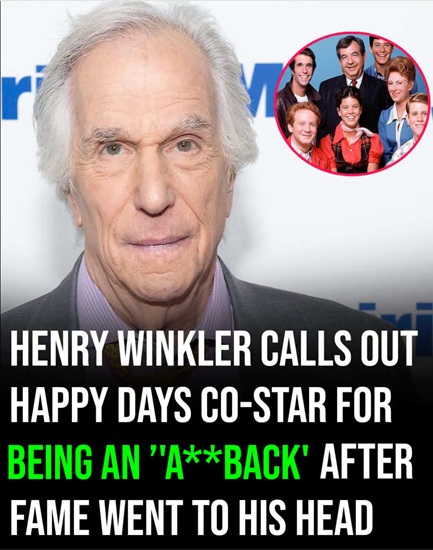
For millions of television viewers around the world, Happy Days remains one of the most recognizable sitcoms in American television history. The series became known for its memorable characters, lighthearted storytelling, and nostalgic portrayal of life in the 1950s and early 1960s. Week after week, audiences tuned in to watch Richie Cunningham, Arthur “Fonzie” Fonzarelli, and the rest of the cast navigate friendships, family life, and everyday adventures.
Although the show projected warmth and humor on screen, actor Henry Winkler has recently shared that maintaining a positive atmosphere behind the scenes also required humility, teamwork, and mutual respect. During a panel discussion at Fanboy Expo Knoxville on July 11, Winkler appeared alongside former co-stars Anson Williams and Don Most, giving fans a chance to hear stories from one of television’s most successful sitcoms.
Looking back on the show’s remarkable popularity, Winkler explained that despite attracting enormous audiences, the cast generally avoided allowing fame to affect the way they treated one another. According to him, the actors understood that the success of Happy Days depended on everyone working together rather than competing for attention.

When Happy Days reached its peak during the 1970s, it reportedly attracted around 50 million viewers each week, making it one of the most-watched television programs of its era. Such extraordinary popularity often brings intense public attention, media coverage, and widespread recognition for performers. However, Winkler said the atmosphere on set remained surprisingly grounded because the cast viewed themselves as an ensemble rather than as individual stars. Everyone focused on delivering entertaining episodes and supporting one another throughout the production process.
Reflecting on those years, Winkler explained that cooperation was one of the defining characteristics of the series. He told the audience that there was very little focus on celebrity status among the regular cast members because everyone shared the same goal of making each week’s episode as funny and enjoyable as possible. Instead of trying to outshine one another, the actors concentrated on developing believable friendships on screen, something many fans believe contributed to the show’s lasting popularity decades after it first aired.
Despite describing the production as largely harmonious, Winkler acknowledged there was one experience that stood out. During the panel, he recalled a guest actor who appeared in multiple episodes and frequently spoke about the amount of fan mail he was receiving. According to Winkler, those conversations gradually became repetitive and seemed to shift attention away from the collaborative spirit that the regular cast tried to maintain. Rather than encouraging competition, Winkler believed the set should remain focused on teamwork and professionalism.

Winkler shared that he eventually responded by reminding the guest actor that discussions about fan mail were not something the cast encouraged during filming. He even pointed out that he himself was receiving an enormous volume of letters from viewers at the height of the show’s success, explaining that popularity was never treated as a competition among the principal actors. His message, he said, was intended to reinforce the idea that everyone working on the production deserved equal respect regardless of public recognition.
According to Winkler, the guest actor continued bringing up the subject despite the conversation. While initially choosing not to identify the individual by name, he later provided a clue by saying the actor had portrayed the character Eugene. Many entertainment publications subsequently connected that description to Denis Mandel, who played Eugene Belvin in ten episodes during the eighth and ninth seasons of Happy Days between 1980 and 1982. As of the reports published after the panel discussion, media outlets indicated that Mandel had not publicly responded to Winkler’s comments.
Although that particular memory received considerable attention, Winkler emphasized that it represented an exception rather than the overall atmosphere on the series. Throughout the years, he has consistently spoken positively about most of the people with whom he worked. In particular, he has often praised Ron Howard, who portrayed Richie Cunningham before later becoming one of Hollywood’s most respected film directors. Their professional relationship extended beyond acting, and Winkler has frequently credited Howard with demonstrating maturity and kindness even at a young age.
One story that particularly stayed with Winkler involved a moment when he became frustrated while rehearsing a difficult scene. He recalled hitting his script out of frustration before Howard quietly approached him. Rather than criticizing him publicly, Howard gently placed an arm around him and led him away from the rest of the cast and crew. According to Winkler, Howard reminded him that the writers had worked extremely hard to create the material and deserved respect for their efforts. The advice made a lasting impression.

Winkler has often said that Howard’s thoughtful approach permanently changed the way he viewed the creative process. He promised that he would never again take out his frustration on a script, recognizing the dedication that writers invest in every production. Looking back, he described Howard as someone who possessed remarkable wisdom from an early age and praised his calm personality and respectful attitude toward others. Those qualities, Winkler suggested, helped explain why Howard later enjoyed such a successful career behind the camera as both a director and producer.
More than fifty years after Happy Days first became a cultural phenomenon, Henry Winkler continues to enjoy an active acting career. Despite decades in the entertainment industry, he has repeatedly said that retirement has never been a serious goal because he genuinely enjoys performing. In previous interviews, he explained that he feels fortunate to continue doing the work he dreamed about as a young man while also enjoying life with his wife, children, and grandchildren. Rather than taking his career for granted, he says he remains grateful for every opportunity to continue working.
Today, Happy Days continues to be remembered as one of television’s classic sitcoms, introducing unforgettable characters that remain familiar to audiences across multiple generations. Winkler’s recent reflections offer fans another perspective on the show’s legacy by highlighting not only its enormous popularity but also the importance of humility, teamwork, and professionalism behind the scenes. While every long-running television production experiences occasional disagreements, his comments suggest that mutual respect and collaboration were ultimately the qualities that helped make Happy Days one of the most enduring comedies in television history.
