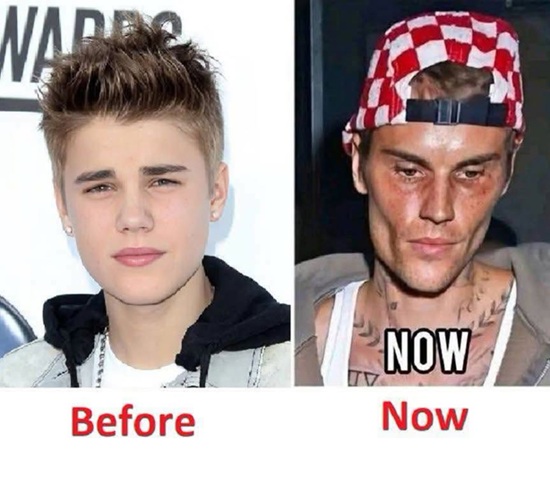
In modern celebrity culture, public figures often exist under constant observation. Every appearance, photograph, or public moment is analyzed in real time across social media platforms. While this level of attention may appear glamorous from the outside, it also creates significant psychological pressure that can affect both mental and physical well-being. Researchers in health psychology have long noted that chronic stress can influence the body in visible and measurable ways over time.
Stress is not only an emotional experience; it is also a biological process. When the body is under prolonged stress, it releases hormones such as cortisol and adrenaline. These hormones are part of the body’s natural “fight or flight” response. However, when activated too frequently or for extended periods, they may contribute to fatigue, changes in sleep patterns, appetite fluctuations, and overall energy levels. These effects can sometimes become noticeable in a person’s physical appearance, though they vary widely from individual to individual.
The Demands of a High-Pressure Public Lifestyle
For globally recognized entertainers, daily life often involves intense schedules that extend far beyond performances alone. International touring, recording sessions, media appearances, and promotional obligations can create a demanding routine that leaves little room for consistent rest. Frequent travel across time zones can also disrupt the body’s internal clock, known as the circadian rhythm.
When circadian rhythms are disrupted, sleep quality may decrease, and the body may struggle to maintain consistent recovery cycles. This can contribute to visible signs of tiredness or exhaustion over time. In addition, irregular eating schedules and constant movement between countries can affect overall physical stability and energy regulation.
While such conditions are common in the entertainment industry, they are not unique to celebrities. Similar effects can also be seen in other professions that involve shift work, long travel schedules, or high-pressure environments.
Understanding How Stress Can Affect Appearance
Scientific studies have shown that stress can influence various aspects of the human body. These may include changes in skin condition, weight fluctuations, muscle tension, and facial expressions that reflect fatigue. However, these changes are not uniform and do not indicate a specific illness on their own.
Facial appearance, in particular, can naturally change over time due to aging, hydration levels, and lifestyle factors. As individuals move from their twenties into their thirties and beyond, subtle shifts in facial structure and fat distribution are common. These natural biological changes can sometimes be misinterpreted when viewed out of context, especially in photographs.
Lighting, camera angles, and image quality can also significantly alter how someone appears in a single moment. A photo taken after travel, long work hours, or under harsh lighting conditions does not provide a full or accurate representation of a person’s overall health.
The Role of Social Media in Misinterpretation
In the digital age, social media platforms often amplify speculation about public figures. Short videos and photographs circulate rapidly, frequently without context or verification. This environment can lead to assumptions based on incomplete information.
One common issue is what experts refer to as “armchair diagnosis,” where individuals attempt to identify health conditions based solely on visual content. Medical professionals consistently warn against this practice because it lacks clinical evaluation and ignores important context such as medical history, lifestyle, and environmental factors.
Algorithms on social media platforms also tend to promote emotionally charged or sensational content. Posts that suggest extreme scenarios often receive more engagement, which can unintentionally spread misinformation. As a result, isolated images may be interpreted in ways that do not reflect reality.
Why Fans Often Become Concerned
It is natural for fans to feel emotionally connected to public figures they admire. Music, films, and performances often become part of people’s personal memories and emotional experiences. Because of this connection, any perceived change in a celebrity’s appearance or behavior can trigger concern.
This reaction is not unusual and often comes from a place of care and empathy. However, it is important to recognize the difference between concern and speculation. Without verified statements from the individual or their official representatives, assumptions about health conditions remain unconfirmed.
People’s appearance can change for many reasons, including stress, workload, personal lifestyle adjustments, recovery from past illnesses, or simply natural aging. These factors are common to all humans, regardless of fame or status.
The Importance of Responsible Media Consumption
Media literacy plays an important role in how information is interpreted online. Understanding how images are created, edited, and distributed helps reduce the spread of misinformation. It also encourages more thoughtful engagement with content about public figures.
Reliable information should ideally come from verified sources, official statements, or credible reporting. In contrast, unverified posts, anonymous claims, or speculative commentary should be treated with caution. This approach helps create a more balanced and respectful online environment.
Respecting privacy is also a key aspect of responsible media consumption. While public figures share parts of their lives with audiences, they are still entitled to personal boundaries and private health matters.
Health, Stress, and Human Variability
Human bodies respond differently to stress and lifestyle changes. Some individuals may experience weight gain during stressful periods, while others may experience weight loss or fatigue. These responses are influenced by genetics, environment, sleep quality, nutrition, and mental health factors.
Conditions such as anxiety or prolonged stress can also affect appetite and energy levels. However, these effects vary widely and cannot be generalized without medical evaluation. It is therefore important to avoid drawing conclusions based solely on appearance.
In all cases, health should be understood as a complex interaction of physical, psychological, and environmental factors rather than a single visible trait.
A More Compassionate Perspective on Fame
Public discussion about celebrities often focuses heavily on appearance, sometimes at the expense of understanding the human experience behind it. Fame does not eliminate the effects of stress, illness, or aging. Instead, it often amplifies them due to constant visibility.
A more balanced approach is to recognize celebrities as individuals with the same biological and emotional needs as everyone else. They experience fatigue, recovery, pressure, and change just like any other person. The difference is that their lives are lived under public observation.
Encouraging empathy rather than speculation helps create a healthier media culture. It shifts the focus from assumptions about health to appreciation of creative work and personal contributions.
Final Reflection on Media, Health, and Respect
In conclusion, discussions about celebrity health should be approached with caution, respect, and awareness of context. While it is natural for audiences to be curious, it is equally important to avoid drawing conclusions without verified information.
Stress, lifestyle demands, and natural aging are all normal parts of human life and can influence appearance in ways that are often misinterpreted. Social media further complicates this by presenting isolated moments without background or explanation.
Ultimately, the most responsible approach is to prioritize empathy, rely on credible information, and respect personal boundaries. Public figures may live in the spotlight, but they remain human beings deserving of understanding and dignity.
