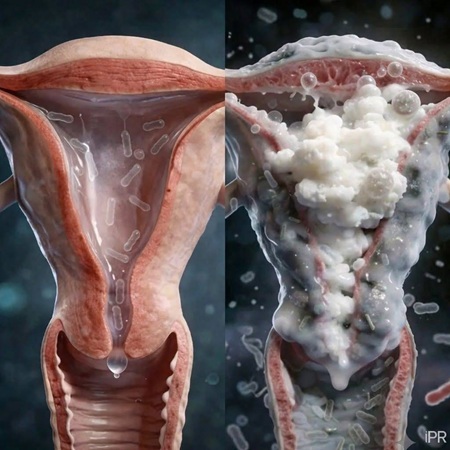
Many people enter relationships without considering how daily habits can influence shared comfort, health, and overall well-being. While emotional connection is usually the main focus, small lifestyle choices can also play a role in how partners experience physical closeness. These effects are often subtle at first, which means they can go unnoticed until they begin to create discomfort or tension over time. Personal hygiene is one of the most important factors in close relationships.
Regular bathing, clean clothing, and basic grooming routines help maintain physical comfort between partners. When these habits are inconsistent, it may lead to irritation, discomfort, or a decrease in overall intimacy satisfaction. In many cases, these issues are not immediately discussed, which allows them to gradually build up without resolution.
Lifestyle choices can also influence how the body naturally functions and interacts with a partner. Factors such as diet, hydration, smoking, and alcohol consumption may affect body odor, energy levels, and general physical balance. While these effects vary from person to person, health professionals often note that lifestyle patterns can contribute to changes in overall bodily comfort and interaction in close relationships.
Stress and mental health are additional elements that should not be overlooked. High stress levels, lack of sleep, and emotional exhaustion can affect behavior, communication, and physical presence within a relationship. A person dealing with ongoing stress may become less attentive or more withdrawn, which can indirectly influence intimacy and emotional connection between partners.
Medical awareness is another important aspect of overall well-being. Avoiding routine health checkups or ignoring persistent symptoms can sometimes delay the identification of underlying issues. Open communication with healthcare professionals is essential for maintaining both individual health and relationship stability. When health concerns are left unaddressed, they may create avoidable complications later on.
The use of personal care products can also play a role in shared comfort. Soaps, lotions, perfumes, and other grooming products contain different ingredients that may not be suitable for everyone. In some cases, sensitive skin or allergies can lead to irritation or discomfort for a partner. Because of this, choosing mild or suitable products can be beneficial in maintaining mutual comfort.
Communication remains one of the most important elements in any relationship. When concerns are expressed, especially regarding comfort or health, the way they are handled can significantly affect trust. Listening, understanding, and responding with care can help prevent small issues from becoming larger problems over time. On the other hand, dismissing concerns may lead to misunderstanding and emotional distance.
Emotional well-being is closely connected to physical well-being in long-term relationships. When partners feel heard, respected, and supported, they are more likely to maintain a healthy balance in both communication and intimacy. However, when stress, neglect, or unresolved concerns accumulate, they can gradually affect the overall quality of the relationship.
It is also important to understand that no single habit defines a relationship. Instead, it is the combination of daily behaviors, lifestyle choices, and emotional interactions that shape long-term connection. Small patterns repeated over time can either strengthen or weaken closeness depending on how they are managed.
In many cases, the earliest signs of imbalance are subtle and easy to overlook. Only later do they become more noticeable, often when communication has already become strained. This is why awareness, openness, and mutual respect are essential in maintaining both physical and emotional harmony between partners.
Ultimately, relationship well-being is built through consistent care, understanding, and attention to both personal and shared health. When both partners actively support each other’s habits and well-being, it becomes easier to maintain a stable, comfortable, and healthy connection over time.
