Stroke is a serious medical condition that occurs when the blood supply to part of the brain is interrupted or reduced, preventing brain tissue from receiving oxygen and essential nutrients. This can lead to brain cell damage within minutes, making stroke a medical emergency that requires immediate attention. According to established medical sources such as the World Health Organization stroke definition, stroke is one of the leading causes of disability and death worldwide, and early recognition of symptoms is critical for improving outcomes.
There are different types of stroke, with the most common being ischemic stroke, which occurs when a blood clot blocks a blood vessel in the brain. Another type is hemorrhagic stroke, which happens when a weakened blood vessel ruptures and causes bleeding in or around the brain. A transient ischemic attack (TIA), often called a “mini-stroke,” is a temporary blockage that resolves on its own but serves as an important warning sign of future stroke risk. All of these conditions require medical evaluation and preventive care.
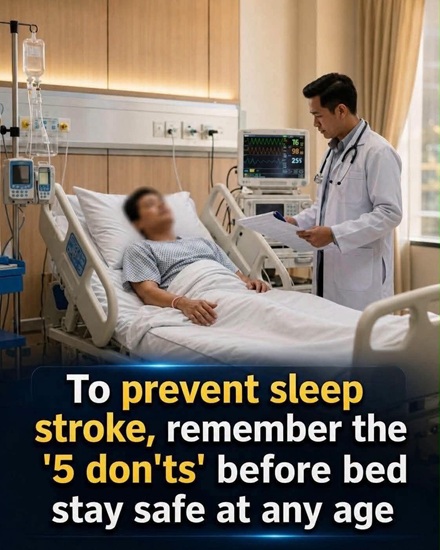
A phenomenon sometimes referred to as “wake-up stroke” occurs when a person goes to sleep without noticeable symptoms and wakes up with signs of a stroke already present. This is not a separate type of stroke but rather a timing classification. It typically means the stroke occurred during sleep and was not immediately detected. Medical research suggests that a significant proportion of ischemic strokes are discovered this way, making morning symptom awareness especially important.
Common stroke symptoms are often summarized using the FAST acronym, which stands for Face drooping, Arm weakness, Speech difficulty, and Time to call emergency services. Some updated versions include additional signs such as Balance problems and sudden vision changes. These symptoms may appear suddenly and without warning, and even if they improve quickly, they should never be ignored because they may indicate a serious underlying problem.
Risk factors for stroke are well documented in medical literature and include high blood pressure, smoking, diabetes, obesity, high cholesterol, physical inactivity, and excessive alcohol consumption. These factors can damage blood vessels over time, increasing the likelihood of blockage or rupture. Lifestyle habits also play an important role in overall cardiovascular health, which is closely connected to brain health.
Sleep itself is a natural biological process where the body undergoes regulation of hormones, blood pressure, and metabolic activity. During normal sleep cycles, blood pressure may decrease and then rise again toward morning. This natural fluctuation is part of the body’s circadian rhythm. However, in individuals with underlying health conditions, these changes may contribute to increased cardiovascular stress, which is why overall health management is important.
One well-established medical condition associated with increased stroke risk is sleep apnea. This disorder causes repeated interruptions in breathing during sleep, leading to reduced oxygen levels and increased strain on the cardiovascular system. Over time, untreated sleep apnea can contribute to high blood pressure and increase the risk of both heart disease and stroke. Proper diagnosis and treatment, such as CPAP therapy, can significantly reduce these risks.
Diet and evening eating patterns can also influence overall cardiovascular health. Consuming heavy meals late at night may affect digestion and sleep quality in some individuals. Medical guidelines generally recommend balanced nutrition throughout the day and avoiding excessive intake of processed foods, sugar, and saturated fats. However, there is no single “perfect” eating time that applies to everyone, as individual metabolism and health conditions vary.
Alcohol consumption is another factor linked to stroke risk, especially when consumed in large quantities or on a regular basis. Alcohol can raise blood pressure, contribute to irregular heart rhythms, and affect sleep quality. Moderate or minimal consumption is generally considered safer, but medical recommendations vary depending on personal health conditions and risk factors.
Physical activity plays a protective role in reducing stroke risk. Regular exercise helps maintain healthy blood pressure, improves circulation, and supports weight management. Even moderate activities such as walking have been shown in clinical research to benefit cardiovascular health when performed consistently. The goal is long-term lifestyle balance rather than extreme or short-term changes.
Sleep hygiene is also an important part of overall health. Maintaining a consistent sleep schedule, reducing exposure to screens before bedtime, and creating a comfortable sleep environment can improve sleep quality. Poor or irregular sleep patterns have been associated in studies with increased risk of cardiovascular issues, although sleep alone is only one factor among many.
It is important to clarify that stroke prevention is not based on single habits alone but rather on a combination of long-term health behaviors. Managing blood pressure, controlling blood sugar levels, maintaining a healthy diet, staying physically active, and avoiding smoking are all evidence-based strategies supported by global health organizations such as the American Stroke Association.
While online content sometimes presents dramatic interpretations of health risks, medical science emphasizes balanced and accurate understanding. Not every daily habit directly causes stroke, but certain patterns can increase long-term risk when combined with other medical conditions. Reliable prevention focuses on consistent, sustainable lifestyle choices rather than fear-based assumptions.
In conclusion, stroke is a complex medical condition influenced by a wide range of biological and lifestyle factors. Awareness of symptoms, especially those that occur suddenly upon waking, is important for seeking immediate medical care. However, prevention is primarily achieved through long-term health management, including cardiovascular care, healthy habits, and regular medical check-ups. Understanding these principles helps individuals make informed decisions that support both brain and overall health.
