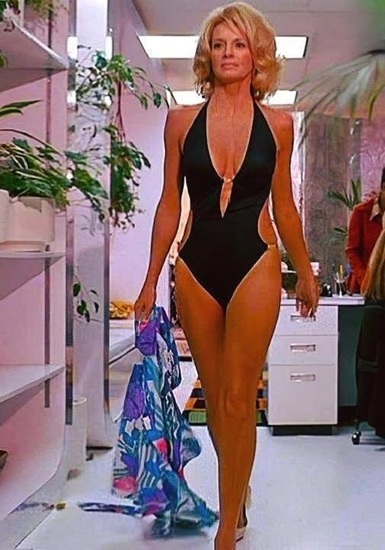
Angie Dickinson, a celebrated American actress best known for her long and influential career in film and television, remains one of Hollywood’s most recognizable figures from its golden era. Born in 1931, she rose to prominence in the 1950s and 1960s, gradually building a reputation as a strong screen presence with natural charisma and versatility. Over the decades, she became associated with roles that highlighted both elegance and toughness, making her a standout performer of her generation.
Her early career included appearances in anthology series and supporting film roles, where her talent quickly became noticeable to casting directors and producers. One of her major early breakthroughs came with the film Rio Bravo (1959), where she starred alongside major Hollywood names of the time. This performance helped establish her as a rising star and led to greater opportunities in both television and cinema throughout the following decade.
As her career developed, Dickinson became known for portraying strong, independent female characters at a time when such roles were still relatively limited in Hollywood. Her performances often carried a sense of confidence and control, which resonated strongly with audiences. She later received widespread recognition for her work in television, particularly for her leading role in the 1970s series Police Woman, which became a major cultural milestone.
The television series Police Woman marked a turning point in her career. In this role, she portrayed a female police officer at a time when such representation was still uncommon on mainstream television. The show became widely popular and helped inspire conversations about women in law enforcement and other traditionally male-dominated professions. It also solidified Dickinson’s place as one of television’s leading actresses of the era.
Despite her professional success, Dickinson has spoken in interviews over the years about the demanding nature of television production during that period. Long filming schedules, strict network expectations, and the fast pace of episodic television created significant pressure for lead actors. Even so, she continued to deliver consistent performances that contributed to the show’s success and lasting legacy in television history.
Beyond her acting career, Angie Dickinson’s public life has often drawn attention due to her connections within the entertainment industry and her presence in Hollywood’s social circles during its most glamorous decades. However, many aspects of her personal life have been widely discussed in media and biography over the years, and it is important to distinguish between confirmed facts and speculation. What remains clear is that she maintained a high-profile career while also navigating the challenges of fame.
Her personal life included her marriage to composer Burt Bacharach, with whom she shared an important chapter of her life. Together, they had a daughter, Nikki Bacharach, born in 1966. Nikki faced significant health challenges throughout her life, including developmental and vision-related difficulties, which were publicly acknowledged by the family in later years. These challenges shaped much of Dickinson’s personal journey outside of her acting career.
Tragically, Nikki Bacharach died in 2007 at the age of 40. Reports confirmed that her death was ruled a suicide after a long struggle with mental health and medical challenges. This loss was deeply painful for Dickinson and her family, and it remains one of the most difficult chapters in her private life. It also highlighted the emotional struggles that can exist behind public figures, far away from fame and recognition.
As Angie Dickinson aged, she gradually stepped back from regular acting work, especially after decades of consistent appearances in film and television. Like many performers from Hollywood’s earlier generations, she transitioned into a quieter lifestyle, making occasional public appearances or interviews rather than maintaining a full-time presence in the industry. This is a common path for many actors from her era who helped shape modern entertainment.
Even in later years, her legacy has remained strong due to reruns, film archives, and continued interest in classic Hollywood cinema. Fans and film historians often revisit her work to study her influence on television history and her role in expanding opportunities for women on screen. Her performances are still widely respected for their strength, clarity, and emotional depth.
It is important to note that while public curiosity about her current life remains, reliable information about her private day-to-day situation is limited, as she has chosen to live away from media attention. Like many long-retired actors, she values privacy, and most verified reporting focuses on her career achievements rather than personal speculation.
Overall, Angie Dickinson’s legacy is defined not by rumors or exaggerated narratives, but by a long and impactful career that helped shape both film and television history. From her early film roles to her groundbreaking television success, she remains an important figure in American entertainment. Her contributions continue to be remembered as part of Hollywood’s evolution during the 20th century.
In the end, her story is best understood as one of artistic achievement, resilience, and lasting influence. Rather than focusing on speculation, her life reflects the journey of a performer who helped define an era and left behind a body of work that continues to be appreciated by audiences today.
