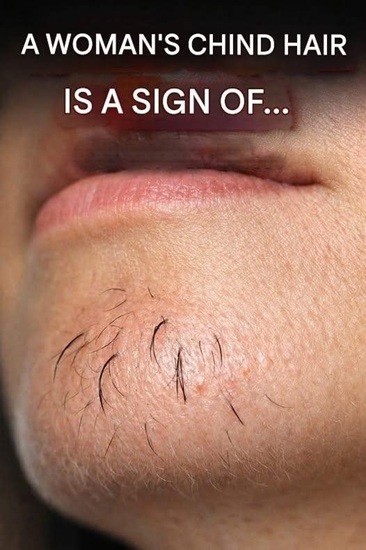
Finding a few dark chin hairs can sometimes feel unexpected or concerning, especially when they appear suddenly. However, in many cases, this is a completely normal part of human biology and aging. Hair growth patterns can change throughout life due to hormonal fluctuations, genetics, and natural bodily processes. A small number of coarse hairs on the chin or jawline does not necessarily indicate a medical problem and is often harmless. Hair growth in women is largely influenced by hormones called androgens.
These include testosterone and other related hormones that are present in both men and women, although typically in lower amounts in women. These hormones play important roles in the body, including maintaining bone strength, supporting muscle function, and influencing libido. Even small changes in androgen levels or sensitivity can affect hair growth patterns in certain areas of the body.
One of the most common explanations for increased chin or facial hair growth in women is a condition called hirsutism. Hirsutism refers to excessive or coarse hair growth in areas where men typically grow hair, such as the chin, upper lip, chest, or back. This condition is usually linked to higher-than-normal androgen activity or increased sensitivity of hair follicles to these hormones. It is important to understand that hirsutism itself is a symptom rather than a disease.
A frequently associated medical condition is Polycystic Ovary Syndrome (PCOS), which is one of the most common hormonal disorders in women of reproductive age. PCOS is often connected with higher androgen levels and can also involve insulin resistance. In addition to increased facial hair, it may be associated with irregular menstrual cycles, acne, weight changes, and sometimes thinning hair on the scalp. The severity of symptoms varies widely between individuals.
Hormonal changes during different life stages can also influence hair growth. For example, during menopause, estrogen levels naturally decline. This shift in hormone balance can make the effects of androgens more noticeable, even if androgen levels do not significantly increase. As a result, some women may notice new or thicker facial hair during midlife or later years.
In some cases, there is no identifiable medical condition causing the hair growth. This is known as idiopathic hirsutism. In these situations, hormone levels are typically within normal ranges, but hair follicles are more sensitive to androgens. Genetics often plays a significant role in this type of hair growth, meaning it can run in families without indicating any underlying health issue.
Certain medications can also contribute to unwanted hair growth. For example, anabolic steroids are known to increase androgen activity in the body and may lead to more noticeable facial or body hair. Some medications, such as minoxidil when used for hair growth treatment, can also cause unwanted hair in areas like the face as a side effect. These effects depend on dosage, duration, and individual sensitivity.
In rare cases, excessive hair growth may be associated with more serious medical conditions such as Cushing’s syndrome or adrenal gland disorders. These conditions typically involve additional symptoms beyond hair growth, such as changes in weight distribution, skin changes, fatigue, or blood pressure abnormalities. Because these conditions are uncommon, they are usually considered only when other symptoms are present.
It is important to pay attention to the pattern and speed of hair growth. Gradual, mild changes are often normal, especially with aging. However, sudden or rapid increases in coarse facial hair, particularly when combined with other symptoms like irregular periods, acne, or voice changes, may require medical evaluation. A healthcare provider may recommend blood tests or hormonal assessments to understand the underlying cause.
Diagnosis usually involves a combination of medical history, physical examination, and laboratory testing. Doctors may check hormone levels, including testosterone and other androgens, as well as evaluate thyroid function and insulin sensitivity if needed. In some cases, imaging tests such as ultrasound may be used to assess the ovaries when PCOS is suspected.
Treatment depends on the underlying cause and the severity of symptoms. In mild cases, no medical treatment is necessary, and hair removal methods such as threading, waxing, or laser treatments may be used for cosmetic purposes. For cases related to hormonal imbalance, doctors may prescribe medications that help regulate hormone levels or reduce androgen effects on hair follicles.
Lifestyle changes can also play a supportive role, especially in conditions like PCOS. Maintaining a balanced diet, regular physical activity, and healthy weight management may help improve insulin sensitivity and hormonal balance. These changes do not eliminate existing hair but can help manage the underlying factors contributing to excessive growth.
It is also important to understand that facial hair in women is more common than many people realize. Many women experience some degree of chin or upper lip hair at different stages of life. Social perceptions may make this feel unusual, but medically, mild facial hair variation is often within normal limits.
From a psychological perspective, unwanted facial hair can sometimes affect self-esteem and confidence. This is why both medical and cosmetic approaches are often considered together. Addressing emotional well-being is an important part of overall care when dealing with visible physical changes.
In conclusion, chin hair growth in women is usually linked to natural hormonal processes, genetics, or mild imbalances that are not dangerous. While in some cases it can be associated with underlying conditions such as PCOS or other hormonal disorders, most situations are manageable and not serious. Understanding the possible causes helps reduce unnecessary worry and encourages appropriate medical consultation when needed.
