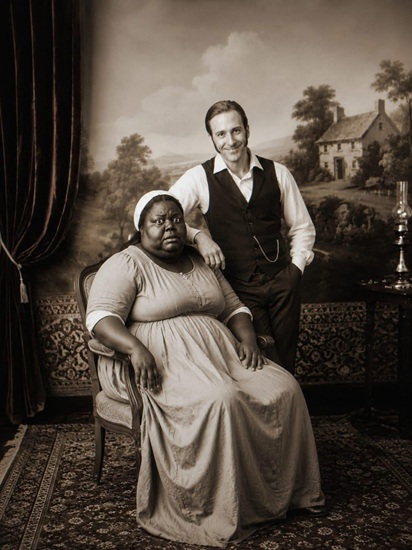
In the mid-19th century, Brazil was still deeply shaped by the institution of slavery, particularly in coffee-producing regions where human lives were tragically treated as economic commodities within a brutal system of forced labor.
During this period, regions such as the Paraíba Valley were known for large coffee plantations, where enslaved people were bought and sold in public markets under harsh and inhumane conditions that defined daily life.
In many towns, slave auctions were held in open squares where men, women, and children were displayed for potential buyers, evaluated based on physical…
CONTINUE READING…
Categories:
News
