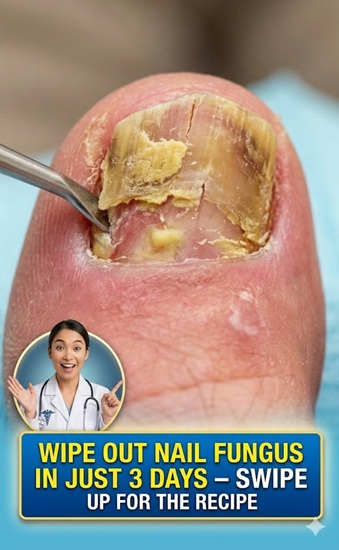
For years, people struggling with nail fungus have searched endlessly for a solution that actually works. Thickened nails, yellow discoloration, crumbling edges, and embarrassment during everyday moments can quietly affect confidence far more than most people realize. Many individuals spend years hiding their feet in closed shoes, avoiding sandals, beaches, swimming pools, and even family photos because they feel ashamed of how their nails look. Stories like these are incredibly common.
Nail fungus, medically known as onychomycosis, affects millions of people around the world, especially older adults. It develops slowly, often beginning with a small white or yellow spot under the nail before gradually spreading deeper into the nail bed. Over time, the nail can become thick, brittle, distorted, and difficult to trim. While the condition is usually not dangerous, it can become frustratingly persistent and emotionally draining for those dealing with it long term.
One reason nail fungus is so difficult to manage is because the infection often lives beneath the hard nail surface itself. Traditional creams and surface treatments may struggle to fully reach the deeper parts of the nail where the fungus continues growing. Even when the visible appearance improves temporarily, the infection can sometimes return if the underlying problem is not fully addressed.

Many people try a long list of remedies before seeing improvement. Over-the-counter antifungal creams, medicated solutions, home remedies involving vinegar or essential oils, and even prescription treatments are commonly used. Some individuals report positive experiences with certain methods, while others find the results inconsistent or temporary. The reality is that nail fungus treatment often requires patience, consistency, and realistic expectations rather than overnight miracles.
Medical experts generally agree that no single treatment works perfectly for everyone. Factors such as age, circulation, diabetes, immune health, hygiene habits, footwear, and the severity of the infection can all influence recovery time. In some cases, improvement may take months because healthy nails grow very slowly. Even after the fungus is controlled, the damaged nail must gradually grow out and replace itself naturally.
Recently, social media and online advertisements have become filled with dramatic claims about “hidden cures” and “secret formulas” capable of instantly destroying nail fungus forever. While some products may help improve nail appearance or support healthier nail growth, consumers should always approach exaggerated promises carefully. There is currently no universally guaranteed instant cure for chronic fungal nail infections.

One growing trend involves botanical oils and plant-based nail care products. These often contain ingredients such as tea tree oil, jojoba oil, almond oil, avocado oil, or other moisturizing botanical extracts. Some people enjoy these products because they help soften thick nails, improve dryness, and create a healthier environment around the nail surface. Certain essential oils may also possess mild antifungal properties in laboratory studies, although clinical results in real-world use can vary significantly.
Experts caution that natural does not automatically mean scientifically proven. While many individuals report satisfaction with botanical nail products, there is still limited large-scale evidence showing that any natural oil alone can permanently eliminate severe fungal infections deep beneath the nail bed. However, gentle nail care routines combined with proper hygiene may still support healthier-looking nails over time.
Dermatologists and podiatrists often recommend focusing on consistent habits instead of relying entirely on dramatic internet promises. Keeping feet clean and dry, changing socks regularly, avoiding tight footwear, trimming nails carefully, disinfecting nail tools, and allowing shoes to fully dry between uses are all practical steps that can reduce fungal growth and lower the risk of reinfection.
For people with more stubborn infections, prescription oral antifungal medications may sometimes be considered. These treatments can be effective for certain patients, but they are not suitable for everyone and may require medical supervision because of potential side effects or interactions. Doctors often evaluate overall health history before recommending them.

Laser treatments have also gained attention in recent years. Some clinics advertise laser procedures designed to target fungal organisms beneath the nail. While certain patients report improvement, research on long-term effectiveness remains mixed, and costs can become expensive since multiple sessions are often required. Because of this, many people continue exploring more affordable at-home approaches first.
One important truth often overlooked in online discussions is that nail fungus recovery rarely happens instantly. Healthy nails grow slowly, especially toenails. Even after successful treatment, visible improvement can take several months because the damaged section of nail must gradually be replaced by new growth. This is why patience plays such a critical role throughout the process.
Another challenge is the emotional impact of nail fungus itself. People frequently describe feelings of embarrassment, frustration, or self-consciousness, particularly during summer months or social gatherings. Something as small as removing shoes at a beach, pool, spa, or wedding can suddenly become a source of anxiety. While the condition is common, many people still feel uncomfortable talking about it openly.
That emotional burden helps explain why dramatic advertisements about “miracle cures” spread so quickly online. When someone has struggled with nail fungus for years, the promise of fast improvement can feel incredibly tempting. Unfortunately, exaggerated marketing sometimes creates unrealistic expectations that leave consumers disappointed when results fail to match the claims.

Health professionals generally encourage people to approach nail care with balanced expectations. Products marketed for fungal nails may support healthier appearance, moisture balance, or gradual improvement, but no treatment should be viewed as magical or universally guaranteed. Reliable progress usually comes through consistent care, proper hygiene, realistic timelines, and medical guidance when necessary.
It is also important to remember that not every damaged nail is caused by fungus. Psoriasis, eczema, trauma, aging, circulation issues, or repeated pressure from footwear can all alter the appearance of nails in similar ways. This is why professional evaluation can sometimes be valuable before beginning long-term treatment plans.
Interestingly, researchers continue studying how different ingredients interact with fungal organisms. Certain laboratory findings involving vinegar compounds, tea tree oil, eucalyptus oil, or undecylenic acid have shown some antifungal activity under controlled conditions. However, laboratory results do not always translate directly into guaranteed outcomes for every person using a product at home.
The growing popularity of holistic and plant-based wellness products reflects a larger shift in consumer preferences. Many individuals now seek gentler alternatives that avoid harsh chemicals or systemic medications whenever possible. While these approaches may provide comfort or gradual cosmetic improvement for some users, medical experts still emphasize the importance of evidence-based treatment decisions.
In reality, the most effective strategy is often a combination of patience, prevention, and consistency. Cleaning feet carefully, wearing breathable footwear, avoiding prolonged moisture exposure, and monitoring nail changes early can significantly reduce the likelihood of severe fungal overgrowth developing in the first place.
For individuals already dealing with persistent nail fungus, hope should not come from exaggerated promises or fear-based advertising. Instead, progress usually begins with understanding that fungal infections are common, manageable, and treatable over time with realistic expectations and proper care.
Modern medicine has made enormous progress in understanding fungal infections, but experts continue searching for safer, faster, and more reliable treatments. New formulations, delivery systems, and topical technologies are still being researched to improve how medications penetrate the nail surface more effectively.
Ultimately, the most important message is not about discovering a magical overnight cure hidden in a bottle. It is about recognizing that healthy nails require consistent care, patience, and informed choices rather than panic or unrealistic marketing claims.
For anyone feeling embarrassed by nail fungus today, it is important to remember that you are far from alone. Millions of people quietly experience the same struggle, and improvement is often possible with persistence, realistic goals, and the willingness to care for your health gradually rather than searching for instant perfection.
At the end of the day, healthy nails are not only about appearance. They reflect hygiene habits, overall wellness, circulation, and long-term self-care. Whether someone chooses medical treatment, lifestyle adjustments, or supportive nail care products, the path toward healthier nails is usually built step by step rather than through dramatic overnight transformations.
And perhaps that is the most honest truth of all: real progress rarely comes from miracle claims. It comes from patience, consistency, informed decisions, and giving the body enough time to heal naturally and safely.
