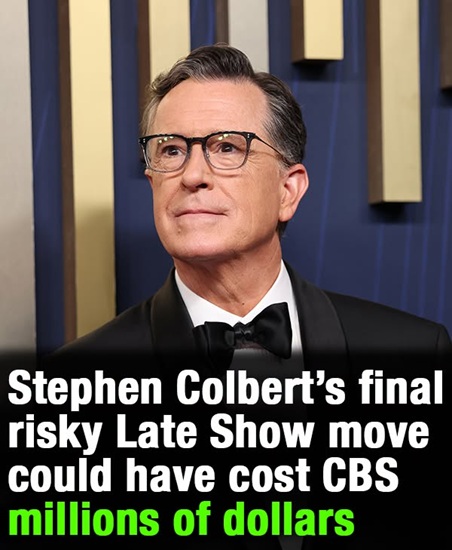
The final episode of Stephen Colbert on The Late Show with Stephen Colbert was filled with emotion, nostalgia, humor, and a sense of closure that longtime viewers had anticipated for months. After more than a decade behind the famous late-night desk, Colbert signed off in front of a packed audience during a farewell episode that quickly became one of the most discussed television moments of the year. For many fans, the final broadcast represented more than the end of a television program.
It marked the closing chapter of an era in American late-night entertainment. Throughout his years hosting the show, Stephen Colbert built a reputation for combining sharp political satire, celebrity interviews, emotional storytelling, and intelligent humor into a style that resonated strongly with audiences across the country. The farewell episode featured an impressive lineup of celebrity guests and longtime friends who helped celebrate Colbert’s television legacy.
Among those appearing during the final broadcast were Paul McCartney, Ryan Reynolds, Jon Stewart, Jimmy Fallon, and Seth Meyers. The atmosphere throughout the show balanced celebration with visible emotion. Audience members cheered loudly as familiar faces entered the stage, while clips from Colbert’s years hosting the program reminded viewers of memorable interviews, comedic sketches, political monologues, and heartfelt conversations that shaped the show’s identity over time.

At the beginning of the episode, Colbert addressed the audience directly in a sincere opening statement that reflected gratitude rather than bitterness. Standing beneath the studio lights that had become his professional home for years, he thanked viewers for supporting the show throughout its long run.
“We love doing this show for you, but we really, really love doing the show with you,” he told the crowd.
The line received warm applause from audience members, many of whom appeared emotional as the realization settled in that this would be the final opening monologue from one of television’s most recognizable late-night personalities. Social media quickly filled with viewers sharing memories of how the program became part of their nightly routines.
Although the episode included numerous touching moments, it was one specific joke later in the show that generated the strongest reaction online and sparked widespread discussion almost immediately after the broadcast ended.
During his recurring “Meanwhile” segment, Colbert shifted into a comedic discussion involving a copyright lawsuit connected to the use of music from the classic Peanuts franchise. Maintaining his usual sarcastic tone, he joked that anyone illegally using the famous music would “have to pay through the nose.”
Only moments later, the show’s house band unexpectedly began playing the recognizable Peanuts theme music inside the studio. Colbert turned toward bandleader Louis Cato with exaggerated surprise, appearing confused by the sudden musical choice.
“Louis? Are you really playing the same Peanuts music that I just said people were being sued for using without permission?” he asked jokingly.
Then came the moment that immediately caught viewers’ attention.
Looking directly into the camera with a smirk, Colbert added, “Oh no, I hope this doesn’t cost CBS any money…”
The audience laughed loudly, but online reactions appeared even stronger. Within minutes, clips of the joke spread rapidly across social media platforms, with many viewers interpreting the line as a subtle final jab aimed at CBS and its parent company Paramount Global.
One social media user described the moment as “elite pettiness,” while countless others praised Colbert for delivering what they considered a clever and understated farewell shot at the network that had recently canceled the show. Memes, reaction videos, and commentary flooded platforms like X, TikTok, and Instagram throughout the evening.
The tension surrounding the finale did not emerge in isolation. Months earlier, CBS officially announced that “The Late Show” would come to an end, citing financial pressures and broader struggles affecting late-night television across the entertainment industry. The decision immediately triggered speculation among viewers and media analysts regarding whether factors beyond finances played a role.
Late-night television has faced growing challenges in recent years as audience viewing habits changed dramatically. Streaming platforms, social media clips, podcasts, and digital entertainment have significantly reduced traditional late-night ratings compared to previous decades. Networks throughout the industry have increasingly struggled to justify the high production costs associated with nightly talk shows.
CBS maintained consistently that the cancellation was based entirely on business realities rather than the political content of Colbert’s program. In public statements, the network explained that the decision reflected financial conditions facing modern late-night programming overall.
“This is purely a financial decision against a challenging backdrop in late night,” the network stated publicly.
Despite those explanations, many viewers continued speculating about possible additional tensions behind the scenes, especially because Colbert had become one of television’s most outspoken political comedians during his years hosting the program.
Particular attention focused on Colbert’s criticism of Paramount after reports surfaced regarding a settlement connected to a dispute involving Donald Trump and “60 Minutes.” According to reports, Paramount agreed to a $16 million settlement connected to legal matters involving the news program.
Colbert openly criticized the payment during previous episodes of his show, reportedly describing it as “a big fat bribe.” Those comments generated significant headlines and intensified public speculation surrounding the future relationship between Colbert and the network.
Although CBS repeatedly denied any connection between those remarks and the cancellation of “The Late Show,” many viewers continued interpreting Colbert’s final jokes through the lens of those public disagreements. As a result, even a seemingly small comedic line about copyrighted music became loaded with symbolic meaning for audiences already aware of the larger controversy.
What made the moment especially effective was Colbert’s delivery. Rather than turning the finale into an openly hostile or bitter confrontation, he maintained the dry humor and understated sarcasm that defined much of his comedic identity throughout his career. The joke landed precisely because it felt subtle rather than explosive.
Throughout the farewell episode, fellow late-night hosts also appeared to acknowledge the significance of Colbert’s influence on modern television comedy. Jon Stewart, who played a major role in Colbert’s early rise through “The Daily Show,” shared emotional moments with his longtime friend and collaborator.
Jimmy Fallon and Seth Meyers also joined the celebration, representing a rare moment of unity among competing late-night personalities. Their appearances highlighted the respect Colbert earned throughout the entertainment industry over many years on television.
Meanwhile, Paul McCartney’s appearance added another emotional layer to the evening. The legendary musician performed during the finale, helping transform the episode into something closer to a celebration of legacy rather than simply a television cancellation. Fans online described the combination of comedy, music, nostalgia, and emotional reflection as unusually heartfelt for late-night television.
Ryan Reynolds also brought humor and warmth to the farewell broadcast, contributing to the balance between emotional reflection and comedic entertainment that carried throughout the episode. Rather than becoming overly sentimental, the show maintained the playful energy audiences associated with Colbert for years.
By the time the final moments of the episode arrived, viewers clearly understood they were witnessing the conclusion of a major chapter in television history. For more than a decade, Stephen Colbert occupied a unique position within American media, blending political commentary with humor in ways that shaped public conversations far beyond traditional entertainment.
Whether audiences agreed with his viewpoints or not, few denied the impact he had on late-night television culture. His sharp monologues, intellectual comedy style, and ability to shift between satire and sincerity helped distinguish “The Late Show” from many competitors during an increasingly crowded entertainment landscape.
The reaction online following the finale demonstrated how deeply viewers connected with both the show and its host. Fans shared favorite clips, personal memories, and emotional tributes across social media long after the broadcast ended. Many described growing up watching Colbert or relying on the show during difficult political and cultural moments over the years.
In the end, the farewell episode succeeded because it remained true to Stephen Colbert’s identity. It was intelligent, emotional, funny, slightly rebellious, and deeply self-aware all at once. Even his final controversial joke reflected the exact combination of sarcasm and restraint that defined his career.
For viewers, the image that lingered most was not necessarily conflict with CBS or debates about cancellation. Instead, it was the sight of a veteran host standing confidently behind his desk one final time, still delivering jokes with the same sharp timing that made him one of the defining voices of modern late-night television.
