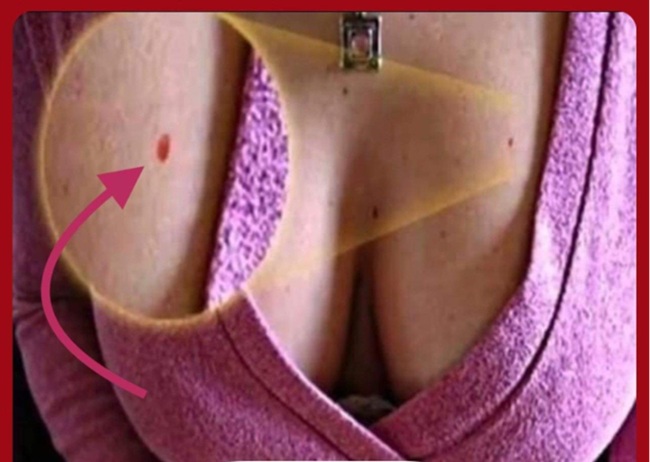
Red dots on the skin are a common concern that can appear for many different reasons. In some cases, they are completely harmless and disappear without treatment, while in other situations they may signal irritation, infection, inflammation, or an underlying medical condition that requires professional evaluation. The appearance, size, texture, and location of these spots can provide important clues about their cause. Skin changes often develop as the body reacts to internal or external factors.
Heat, allergies, infections, friction, immune system activity, or changes in blood vessels may all contribute to the formation of red dots or patches. Although many people experience these symptoms at some point in life, understanding the possible causes can help determine when simple care is enough and when medical attention may be necessary. One common cause of tiny red or purple spots on the skin is petechiae. These spots develop when very small blood vessels called capillaries break beneath the skin.
Petechiae are usually flat and may appear after intense coughing, vomiting, heavy lifting, or physical strain. They can also occur because of certain medications, viral illnesses, or low platelet levels in the blood. Purpura is similar to petechiae but generally appears as slightly larger patches under the skin. These marks can develop after injuries, infections, or blood clotting disorders. While mild cases may not be dangerous, unexplained or spreading purpura should always be evaluated by a healthcare professional to rule out serious conditions involving the blood or immune system.

Another very common skin finding is cherry angiomas. These small, bright red bumps are formed by clusters of tiny blood vessels near the surface of the skin. Cherry angiomas usually appear on the chest, arms, shoulders, or back and become more common with age. They are considered harmless growths and typically do not require treatment unless they bleed frequently or become irritated.
Many adults notice cherry angiomas increasing gradually over time. Although the exact cause is not fully understood, genetics and aging are believed to play a role. These growths are usually smooth and round, and unlike some other skin conditions, they are rarely painful or itchy. Dermatologists can remove them safely if desired for cosmetic reasons.
Heat rash, also known as prickly heat, is another frequent reason for small red spots on the skin. This condition develops when sweat becomes trapped inside blocked sweat ducts, especially during hot weather or excessive sweating. Heat rash often appears in skin folds or areas covered by tight clothing and may cause itching, irritation, or a prickling sensation.

Babies and young children are particularly vulnerable to heat rash because their sweat glands are still developing. However, adults may also experience it during exercise, humid weather, or prolonged exposure to heat. Keeping the skin cool, dry, and well ventilated usually helps the rash improve naturally within a few days.
Allergic reactions are another major cause of redness and skin irritation. The body’s immune system may react to foods, medications, cosmetic products, plants, detergents, insect bites, or environmental allergens. These reactions often trigger red bumps, itching, swelling, or hives that can vary from mild irritation to severe discomfort.
Some allergic reactions disappear quickly once exposure to the trigger stops. However, more serious allergic responses can cause breathing difficulties, swelling of the lips or throat, dizziness, or widespread rash. In these situations, emergency medical care is necessary because severe allergic reactions can become life threatening if left untreated.
Folliculitis is a condition involving inflammation of the hair follicles. It commonly develops after shaving, sweating, friction from tight clothing, or bacterial and fungal infections. Folliculitis usually appears as small red or pus-filled bumps around hair follicles and may cause tenderness, itching, or mild pain.

Although mild folliculitis often clears on its own with good hygiene, persistent or severe cases may require medicated creams or antibiotics. Avoiding tight clothing, changing razors regularly, and keeping the skin clean can help reduce irritation and lower the chance of future flare ups.
Cellulitis is a more serious bacterial skin infection that requires prompt medical attention. This condition occurs when bacteria enter the skin through cuts, insect bites, cracks, or wounds. The affected area often becomes swollen, warm, painful, and red, and symptoms may spread quickly if left untreated.
Unlike harmless rashes, cellulitis can lead to complications if bacteria spread deeper into the body. Fever, chills, fatigue, or rapidly expanding redness are warning signs that should never be ignored. Doctors usually treat cellulitis with antibiotics, and early treatment greatly reduces the risk of serious complications.
Impetigo is another bacterial skin infection that commonly affects infants and children, although adults may also develop it. The infection usually begins as red sores or blisters that break open, ooze fluid, and later form a yellowish crust. It spreads easily through direct skin contact or contaminated objects.
Because impetigo is contagious, maintaining proper hygiene is important to prevent transmission. Washing hands regularly, avoiding scratching, and keeping affected areas clean can help reduce spread. Medical treatment often includes antibiotic ointments or oral antibiotics depending on the severity of the infection.
Vasculitis refers to inflammation of blood vessels and may occur due to autoimmune diseases, infections, or reactions to medications. This condition can reduce blood flow and cause red or purple spots, skin ulcers, pain, or swelling. Symptoms vary widely depending on which blood vessels are affected.
Some forms of vasculitis are mild and temporary, while others may involve major organs and require specialized treatment. Persistent unexplained skin changes accompanied by fatigue, fever, numbness, or joint pain should always be evaluated by a medical professional for proper diagnosis and care.
Hemangiomas are noncancerous growths made of extra blood vessels. They often appear during infancy as bright red birthmarks on the skin. Many hemangiomas gradually shrink or disappear over time without treatment, although some may persist into adulthood or grow large enough to require medical monitoring.
Most hemangiomas are harmless, but their location sometimes determines whether treatment is necessary. Growths near the eyes, nose, or mouth may interfere with normal functions and need medical evaluation. Doctors may recommend observation, medication, laser therapy, or surgery depending on the individual situation.
Insect bites are another frequent explanation for sudden red spots or bumps. Mosquitoes, fleas, bedbugs, spiders, and other insects may trigger localized redness, swelling, itching, or irritation. Scratching these bites excessively can damage the skin and increase the risk of bacterial infection.
Most insect bites improve within several days using cold compresses, anti-itch creams, or antihistamines. However, bites accompanied by severe swelling, breathing problems, fever, or spreading rash may indicate an allergic reaction or infection requiring immediate medical care.
Eczema, also known as atopic dermatitis, is a chronic inflammatory skin condition that often produces red, itchy patches. It commonly affects children but may continue into adulthood. Dry skin, allergens, weather changes, stress, and irritants can trigger flare ups and worsen symptoms over time.
Managing eczema usually involves moisturizing the skin regularly, avoiding harsh products, and identifying personal triggers. In more severe cases, healthcare providers may recommend medicated creams, antihistamines, or other treatments to reduce inflammation and discomfort while protecting the skin barrier.
Psoriasis is another long term skin condition linked to immune system activity. It causes skin cells to multiply too quickly, leading to thick, red, scaly patches that may itch or crack. Psoriasis commonly affects the elbows, knees, scalp, and lower back, although it can appear anywhere on the body.
Although psoriasis is not contagious, it can significantly affect quality of life. Treatment options include moisturizers, prescription creams, light therapy, and medications that target the immune system. Early management often helps control symptoms and reduce flare ups effectively.
Stress can also influence skin health in surprising ways. Emotional stress may worsen conditions like eczema, acne, hives, or psoriasis and sometimes contributes to temporary skin redness or irritation. Sleep problems, anxiety, and chronic tension may affect immune and inflammatory responses throughout the body.
Maintaining overall wellness often supports healthier skin. Drinking enough water, eating balanced meals, sleeping adequately, managing stress, and protecting the skin from excessive sun exposure can help reduce irritation and improve the body’s natural healing processes over time.
Many people turn to natural remedies for mild skin irritation. Aloe vera gel is widely used because of its cooling and moisturizing properties. Applying pure aloe vera gel to irritated skin may help soothe dryness and mild redness, although scientific evidence for treating specific conditions remains limited.
Coconut oil is another popular home remedy because it helps moisturize dry skin and support the skin barrier. Some people find it useful for mild irritation or dryness. However, coconut oil may clog pores in acne prone individuals, so it should be used carefully depending on skin type.
Dandelion root has traditionally been used in herbal practices, but strong scientific evidence supporting its effectiveness for treating red skin spots is limited. Herbal supplements may also interact with medications or cause allergic reactions, so it is important to consult a healthcare professional before using them regularly.
Although home remedies may provide relief for mild irritation, they should never replace professional medical care for serious or persistent symptoms. Skin changes that worsen rapidly, bleed, spread, become painful, or appear alongside fever or fatigue should always be evaluated by a qualified healthcare provider.
Certain warning signs deserve immediate medical attention. These include difficulty breathing, sudden swelling, widespread rash, high fever, severe pain, or skin discoloration that spreads quickly. Early diagnosis is especially important because some serious infections or immune disorders may initially resemble harmless skin conditions.
It is also important to avoid self diagnosing solely through internet photos or social media posts. Many skin conditions can appear similar even when their causes and treatments are completely different. Accurate diagnosis often requires a physical examination and sometimes laboratory testing by a medical professional.
Healthy skin habits may lower the risk of irritation and infection. Washing the skin gently, avoiding harsh chemicals, wearing breathable fabrics, protecting against insect bites, and staying hydrated can support overall skin health. Using sunscreen regularly also helps protect blood vessels and reduce long term skin damage.
Nutrition may influence skin health as well. Diets rich in fruits, vegetables, whole grains, lean proteins, and healthy fats provide nutrients important for tissue repair and immune function. Vitamins such as vitamin C and vitamin E help support normal skin maintenance and overall wellness.
Every person’s skin responds differently to environmental factors, lifestyle habits, and medical conditions. While some red dots are temporary and harmless, others may signal an underlying issue requiring medical evaluation. Paying attention to changes in appearance, symptoms, and duration can help determine the most appropriate next steps.
Understanding the possible causes of red spots on the skin can reduce unnecessary fear while encouraging proper medical care when needed. Most importantly, persistent, unexplained, or worsening skin symptoms should never be ignored, especially when they occur alongside other physical changes or signs of illness.
Modern medicine offers many effective ways to diagnose and manage skin conditions. Dermatologists and healthcare professionals can recommend treatments tailored to the specific cause, helping patients reduce discomfort, improve skin appearance, and protect long term health through accurate evaluation and evidence based care.
